
-
Filter By Stock
- In Stock (13)
Filter By Brand
- Aus Electronics Direct (16)
Solar Charge Controllers & Regulators – 12V and 24V
Popular Products
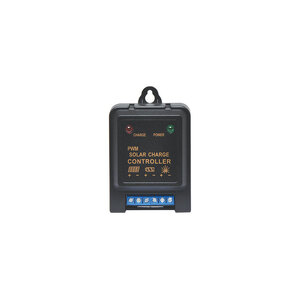
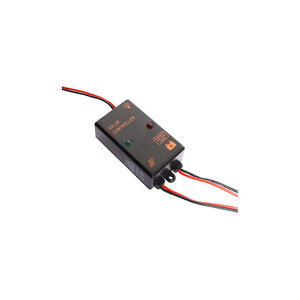
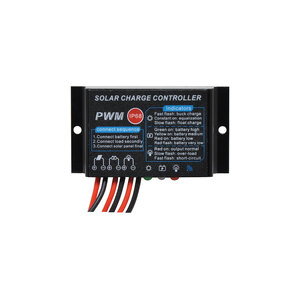
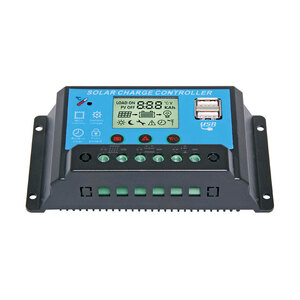
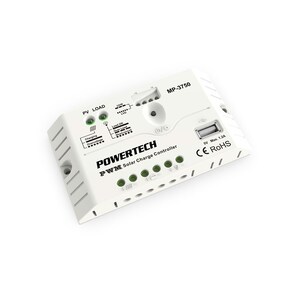
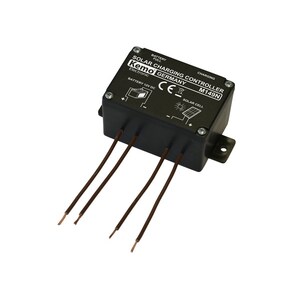
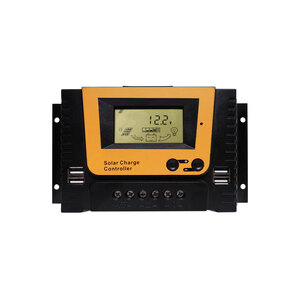
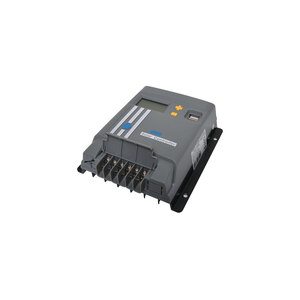
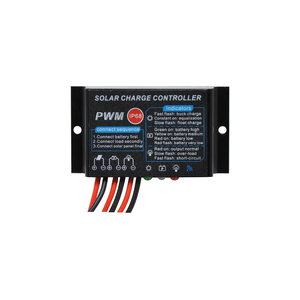
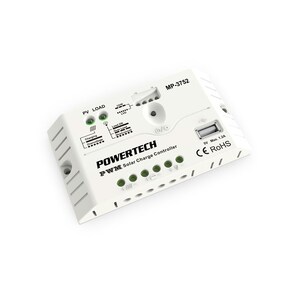
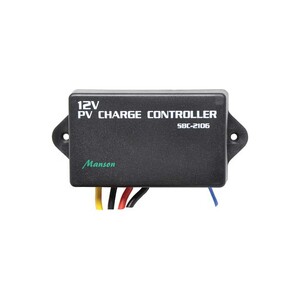
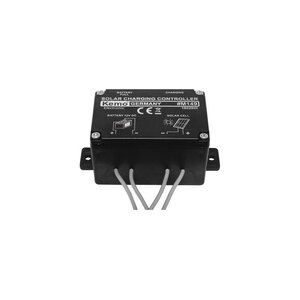
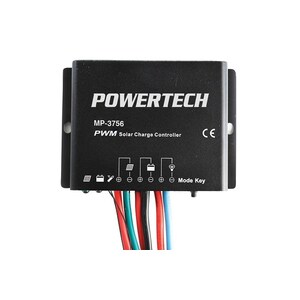
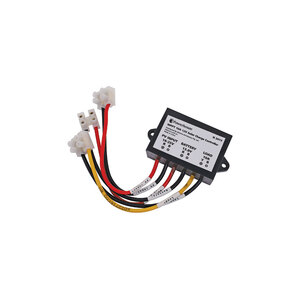
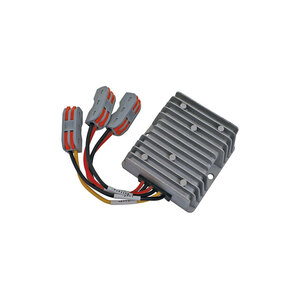
Solar Charge Controllers & Regulators – 12V and 24V
Shop our range of solar charge controllers and regulators at ausElectronicsDirect. Designed to regulate the power generated by solar panels and manage battery charging, solar charge controllers help protect batteries from overcharging and support efficient operation of off-grid solar power systems.
Whether you're setting up a solar charging system for a caravan, boat, 4WD, camping setup or remote off-grid installation, we offer a selection of PWM and MPPT solar charge controllers in different voltage and current ratings.
Choose from compact 12V solar regulators, 12V/24V automatic solar charge controllers, waterproof solar controllers and higher-capacity MPPT battery charging regulators.
What Is a Solar Charge Controller?
A solar charge controller is an electronic device installed between a solar panel and a battery. Its primary function is to regulate the electrical power supplied by the solar panel to the battery during charging.
It helps prevent overcharging, manages battery charging voltage and, depending on the model, provides additional protection against reverse polarity, excessive current and battery over-discharge.
Solar charge controllers are commonly used in caravan electrical systems, marine installations, camping setups, 4WD auxiliary battery systems and standalone solar power applications.
MPPT vs PWM Solar Charge Controllers
There are two common types of solar charge controllers: Maximum Power Point Tracking (MPPT) and Pulse Width Modulation (PWM).
MPPT Solar Charge Controllers: MPPT controllers optimise the operating point of the solar panel to extract available power efficiently. They can convert excess panel voltage into additional charging current, making them particularly useful when the solar panel voltage is higher than the battery charging voltage.
PWM Solar Charge Controllers: PWM controllers regulate battery charging by controlling the connection between the solar panel and battery. They are generally simpler and more economical, making them suitable for smaller solar installations and compatible solar panel configurations.
The best option depends on your solar panel specifications, battery voltage, charging requirements and available budget.
Choosing the Right Solar Charge Controller
When selecting a solar regulator, consider the following:
-
Battery voltage: Choose a controller compatible with your 12V or 24V battery system.
-
Charging current: Select an appropriate amp rating based on your solar panel array and battery charging requirements.
-
Controller type: Choose between MPPT and PWM technology according to your solar panel configuration.
-
Battery compatibility: Check whether the controller supports your battery chemistry, including lead-acid, AGM, gel or lithium batteries where specified.
-
Protection rating: Consider waterproof or IP-rated controllers for outdoor and mobile installations.
-
Additional features: LCD displays, USB charging outputs and automatic voltage detection can provide additional convenience.
Solar Charge Controllers for Caravans, Camping and Off-Grid Systems
Solar regulators are an essential component of many standalone solar battery charging systems. They help manage the energy generated by solar panels and deliver controlled charging to compatible batteries.
Whether you're maintaining a caravan battery, powering camping equipment or building an off-grid solar installation, choosing the correct solar charge controller helps support reliable battery charging.
Shop Solar Charge Controllers & Regulators in Australia
Browse our range of solar charge controllers at ausElectronicsDirect. Find PWM and MPPT solar regulators, 12V and 24V battery charging controllers and waterproof solar charge controllers for your solar, automotive, marine and camping applications.
FAQ
1. What is a solar charge controller?
A solar charge controller is an electronic device that regulates the electricity generated by solar panels before it reaches a battery. It manages charging voltage and current to help prevent overcharging and protect the battery from excessive discharge where the controller supports load management.
2. What does a solar regulator do?
A solar regulator controls the charging process between a solar panel and a battery. It helps ensure that the battery receives an appropriate charging voltage and current while providing protection against certain electrical conditions.
3. What is the difference between MPPT and PWM solar charge controllers?
MPPT controllers use Maximum Power Point Tracking technology to optimise the solar panel's operating voltage and current, improving energy conversion when panel voltage is higher than battery voltage.
PWM controllers use Pulse Width Modulation to regulate battery charging. They are generally simpler and more economical, particularly for smaller solar installations with suitably matched panels.
4. What size solar charge controller do I need?
The required controller size depends on the total solar panel wattage, battery voltage and expected charging current. As a basic estimate, divide the solar panel wattage by the battery charging voltage to calculate the approximate charging current, then allow for suitable operating headroom. Always check the controller's maximum PV input voltage and current specifications.
5. Can I use a 12V solar charge controller with a 24V battery?
Only if the controller is specifically designed to support 24V battery systems. Some solar regulators support automatic 12V/24V detection, while others are designed exclusively for 12V batteries. Check the manufacturer's specifications before connecting the equipment.
6. Can a solar charge controller charge a lithium battery?
Some solar charge controllers support lithium battery charging, including LiFePO4 batteries. However, not all controllers are compatible. Check the charging voltage settings, battery chemistry support and manufacturer's recommendations before connecting a lithium battery.
7. Do I need a solar charge controller for a 12V solar panel?
A solar charge controller is generally recommended when connecting a solar panel to a rechargeable battery. It regulates the charging process and helps prevent battery overcharging. The exception is certain solar panels or charging systems with integrated regulation.
8. Can I connect multiple solar panels to one charge controller?
Yes, multiple solar panels can be connected to a compatible solar charge controller, provided the combined voltage, current and wattage remain within the controller's specifications. Series and parallel connections affect the electrical characteristics of the solar array, so check the controller's maximum PV input voltage and current ratings.
9. What is the difference between a solar regulator and a solar charge controller?
The terms solar regulator and solar charge controller generally refer to the same type of device. Both regulate electricity from solar panels to manage battery charging and help protect the battery.
10. Where should a solar charge controller be installed?
A solar charge controller should generally be installed close to the battery in a dry, well-ventilated location, following the manufacturer's installation instructions. Use correctly rated cables and fuses, observe the correct connection sequence and ensure the controller has sufficient ventilation.