-
Filter By Stock
- In Stock (5)
Filter By Brand
- Aus Electronics Direct (5)
Battery Isolators & Dual Battery Isolation Switches
Popular Products
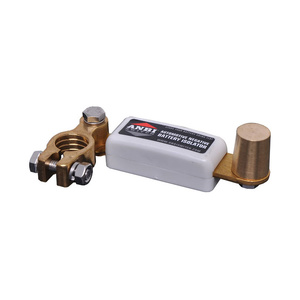
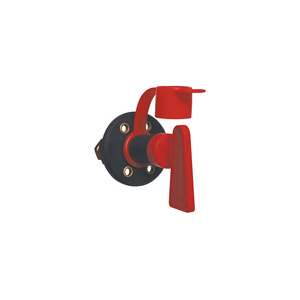
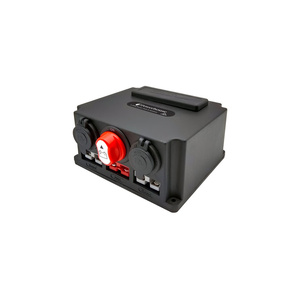
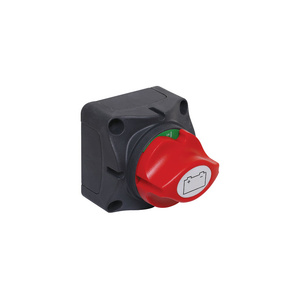
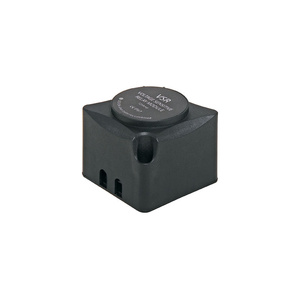
Battery Isolators & Battery Isolation Switches
Shop battery isolators and battery isolation switches for automotive, 12V and 24V electrical systems, auxiliary batteries and power distribution applications. Our range includes smart dual battery isolators, voltage-sensitive relay modules, manual battery disconnect switches, rotary battery switches and waterproof battery isolator switches.
A battery isolator is used to control the electrical connection between batteries or disconnect a battery from an electrical circuit. Automatic dual battery isolators can manage the connection between a vehicle's starter battery and auxiliary battery, helping prevent the starter battery from being excessively discharged by connected accessories. Manual battery isolation switches provide a convenient way to disconnect a battery when required.
Choose from automatic and manual battery isolation options for suitable automotive, 4WD, caravan, camping and other DC power applications. Some products also combine battery isolation with power distribution features, including accessory sockets, USB charging ports and fuse protection.
When selecting a battery isolator, check the system voltage, current rating, battery configuration, switching method and installation requirements. Make sure the isolator is compatible with the battery chemistry and charging system, and follow the manufacturer's wiring and safety instructions.
Battery Isolator FAQs
1. What is a battery isolator?
A battery isolator is an electrical device used to control or disconnect the connection between batteries or between a battery and an electrical circuit. Battery isolators are commonly used in automotive, 4WD, caravan, marine and auxiliary battery systems.
They are available in automatic and manual configurations. Automatic battery isolators manage battery connections according to their operating settings, while manual battery isolation switches allow the user to connect or disconnect a battery when required.
2. What does a battery isolator do?
A battery isolator controls the electrical connection between batteries or disconnects a battery from a circuit. In a dual battery system, an automatic isolator can allow a vehicle's charging system to charge an auxiliary battery while helping prevent accessories from excessively discharging the starter battery.
Manual battery isolator switches provide a way to disconnect battery power for storage, maintenance or other suitable applications. The exact function depends on the type and specifications of the isolator.
3. How does a battery isolator work?
A battery isolator works by controlling the electrical connection between a battery and another battery or electrical circuit.
An automatic battery isolator may monitor system voltage and connect or disconnect batteries according to preset voltage thresholds. A voltage-sensitive relay (VSR), for example, can connect an auxiliary battery when charging voltage rises and disconnect it when voltage falls.
A manual battery isolator uses a physical switch to open or close the electrical circuit. Always follow the manufacturer's wiring instructions and confirm that the isolator is suitable for the battery system.
4. What is a dual battery isolator?
A dual battery isolator is a device used to manage the connection between two batteries, commonly a vehicle's starter battery and an auxiliary battery.
In a typical 4WD or caravan setup, the auxiliary battery supplies power to accessories such as camping equipment, refrigerators and lighting. A suitable automatic isolator can manage charging connections while helping keep the starter battery separate when the engine is not running.
Dual battery isolators are available in different voltage and current ratings, so compatibility with the vehicle's charging system and battery types is important.
5. What is a 12V battery isolator?
A 12V battery isolator is designed for use in electrical systems with a nominal 12-volt battery supply. These isolators are commonly used in cars, 4WDs, caravans, boats and auxiliary battery installations.
Depending on the model, a 12V battery isolator may automatically manage connections between starter and auxiliary batteries or provide a manual battery disconnect function.
Check the product's voltage, current rating, battery compatibility and operating specifications before installation.
6. What is the difference between a 12V and 24V battery isolator?
The main difference is the electrical system voltage each isolator is designed to operate with.
A 12V battery isolator is intended for nominal 12V systems, commonly found in passenger vehicles and many recreational applications. A 24V battery isolator is designed for nominal 24V systems, which are used in some trucks, commercial vehicles and specialised equipment.
The voltage rating must match the electrical system. A 12V-only isolator should not be used in a 24V system unless the manufacturer explicitly specifies that it supports both voltages.
7. What is a smart battery isolator?
A smart battery isolator is an automatic battery management device that controls the connection between batteries based on electrical conditions or programmed operating settings.
Many smart battery isolators monitor voltage and automatically connect or disconnect batteries according to preset thresholds. This can help manage charging between a starter battery and an auxiliary battery without requiring the driver to operate a manual switch.
Some models include additional features such as status indicators, protection functions or integrated control electronics. Check the individual product specifications to confirm the available features.
8. What is a voltage sensitive relay (VSR)?
A voltage sensitive relay (VSR) is an automatic electrical switching device that monitors battery voltage and controls the connection between batteries.
In a dual battery system, a VSR can connect the auxiliary battery when the charging voltage rises above a specified threshold. When voltage falls below its disconnection threshold, the relay separates the batteries to help preserve the starter battery's charge.
VSRs are commonly used in automotive, 4WD, caravan and auxiliary battery installations. They must be suitable for the system voltage, charging source and battery types.
9. What is the difference between an automatic and manual battery isolator?
An automatic battery isolator controls battery connections according to its operating system, which may monitor voltage or use electronic control. It can manage the connection between a starter battery and an auxiliary battery without requiring the user to operate a switch each time.
A manual battery isolator uses a physical switch or rotary control to connect or disconnect the battery circuit. The user decides when to operate it.
Automatic isolators are useful for managed dual battery systems, while manual switches are commonly used for battery disconnection, storage and maintenance applications. The best option depends on the electrical system and intended use.
10. Does a battery isolator prevent a flat starter battery?
A correctly selected and installed automatic dual battery isolator can help reduce the risk of a flat starter battery by separating the starter battery from the auxiliary battery when the charging voltage drops.
This helps prevent accessories connected to the auxiliary battery from unnecessarily drawing power from the starter battery when the vehicle is switched off.
However, a battery isolator cannot guarantee that a starter battery will never go flat. Vehicle electronics, battery condition, wiring faults, incorrect installation and other electrical loads can still cause battery discharge.
11. What is a battery isolation switch?
A battery isolation switch is a manually operated electrical switch used to disconnect a battery from an electrical circuit. It is commonly installed in vehicles, boats, caravans, battery banks and other DC power systems.
Battery isolation switches are used for maintenance, storage, safety and power management purposes. They are available in different designs, including rotary switches, key-operated switches and other disconnect configurations.
Always choose a switch with suitable voltage and current ratings for the intended application.
12. What is a rotary battery isolator switch?
A rotary battery isolator switch is a manual battery disconnect switch operated by turning a dial or knob. It is used to connect or disconnect battery power in suitable electrical systems.
Rotary battery switches are commonly used in automotive, marine, caravan and battery bank installations. Depending on the model, they may provide simple on/off switching or multiple battery selection positions.
Check the switch's current rating, voltage rating, terminal arrangement and installation requirements before selecting one.
13. What is a waterproof battery isolator switch?
A waterproof battery isolator switch is designed with a housing and sealing features intended to provide protection against moisture and water ingress to a specified level.
These switches may be suitable for certain outdoor, automotive, marine or recreational installations, depending on their protection rating and the manufacturer's instructions.
Check the product's IP rating or stated environmental protection level before installation. Waterproof does not automatically mean suitable for continuous immersion or every outdoor condition.
14. Can a battery isolator be used with an auxiliary battery?
Yes. Battery isolators are commonly used in auxiliary battery systems to manage the electrical connection between a vehicle's starter battery and an additional battery.
An automatic dual battery isolator can help manage charging from a suitable vehicle charging system while separating the batteries under specified conditions. This allows the auxiliary battery to supply suitable accessories without unnecessarily drawing power from the starter battery.
The isolator must be compatible with the battery chemistry, charging system, system voltage and current requirements. Some modern vehicles with smart alternators or lithium auxiliary batteries may require a dedicated DC-DC charger rather tha