-
Filter By Stock
- In Stock (2)
Filter By Brand
- Tornado (4)
XT150 Connectors, Plugs and Battery Leads
Popular Products
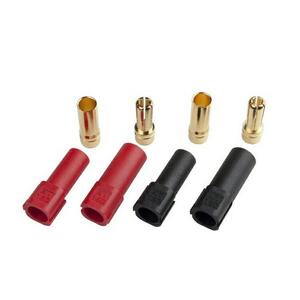
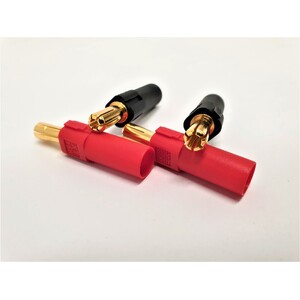
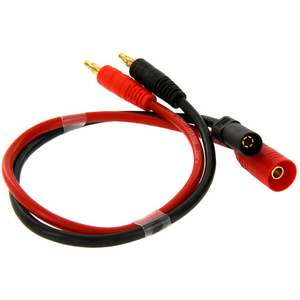
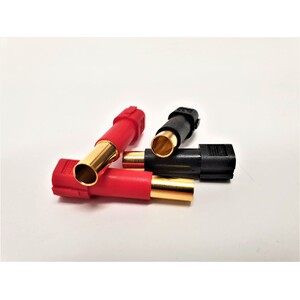
XT150 Connectors, Plugs and Battery Leads
Shop XT150 connectors at Aus Electronics Direct, with male and female plugs and compatible battery charge leads for RC models and hobby electronics. XT150 connectors are designed for secure electrical connections in battery-powered applications, including RC vehicles, aircraft and custom battery wiring.
Our range includes red and black XT150 male and female connector packs, as well as 4mm banana plug to XT150B charge leads. Whether you are replacing an existing connector, repairing a battery lead or assembling a compatible cable, choosing the correct connector type is important for a reliable connection.
When selecting an XT150 connector, check the male and female contact arrangement, polarity, wire gauge and electrical requirements of your equipment. Ensure the connector and cable are suitable for the expected current and operating conditions.
Browse the XT150 connector range at Aus Electronics Direct and find compatible plugs and leads for your RC and hobby electronics projects.
FAQ
1. What is an XT150 connector used for?
An XT150 connector is a high-current electrical connector used to connect batteries, electronic speed controllers (ESCs), chargers and other power components. It is commonly found in RC vehicles, aircraft, drones and other battery-powered hobby electronics.
XT150 connectors feature large metal bullet contacts and insulated housings designed to provide a secure connection between compatible power cables. They are available in male and female configurations for battery wiring and power connections.
2. Are XT150 connectors suitable for RC LiPo batteries?
Yes. XT150 connectors can be used with compatible RC LiPo batteries, particularly in applications that require a larger battery power connection.
Before using an XT150 connector, check the battery and ESC specifications, connector polarity, wire gauge and current requirements. Make sure the connector is correctly installed and rated for the electrical load. Not every LiPo battery or RC model uses an XT150 connection, so an appropriate adapter may be required.
3. What is the difference between XT150 and XT90 connectors?
The main differences are their physical size, contact design and intended applications.
XT150 connectors use larger bullet contacts and a larger housing than XT90 connectors. They are generally selected for larger power connections, while XT90 connectors are common in many RC cars, aircraft and other hobby applications.
The two connector types are not directly interchangeable. If your battery and equipment use different connectors, you will need a correctly wired, compatible adapter cable. Always check the current ratings and specifications of the exact products.
4. What is the difference between XT150 male and female connectors?
XT150 male and female connectors have matching metal contacts that fit together to complete an electrical connection.
The male connector has a protruding metal contact, while the female connector has a recessed contact that receives it. Both are available with corresponding insulated housings, commonly in red and black.
When purchasing replacement XT150 plugs, check the contact arrangement, housing configuration and polarity. Do not rely on colour or connector gender alone to identify positive and negative connections.
5. Are XT150 connectors compatible with other battery plugs?
XT150 connectors are not directly interchangeable with other battery connector types, such as XT90, XT60, EC5, Deans or HXT connectors.
However, you can connect equipment with different connector types using a suitable adapter cable. The adapter must have the correct connector configuration, polarity, wire gauge and current rating for the application.
Always check compatibility before connecting a battery. A physically suitable adapter does not automatically mean the electrical specifications are compatible.
6. How do I connect an XT150 connector to a battery?
An XT150 connector is typically attached to a battery cable by soldering the wire to the connector's metal contact, following the manufacturer's installation instructions.
Before installation, identify the positive and negative wires, confirm the connector polarity and select wire that is suitable for the expected current. Use the correct soldering equipment and ensure the finished joints are secure and properly insulated.
Take particular care when working with LiPo batteries. Shorting the battery terminals can cause sparks, fire or battery damage. Do not solder directly to LiPo cells or battery terminals unless the battery manufacturer explicitly permits the procedure and it is performed by a suitably experienced person. If you are unsure, use a professionally assembled battery lead or seek assistance from a qualified technician.
7. What wire gauge should I use with XT150 connectors?
The correct wire gauge depends on the current draw, cable length, operating temperature and specifications of the XT150 connector.
Some XT150 connector specifications list 8 AWG wire, while other products may support different wire sizes. For example, certain connector listings specify 8 AWG, while other suppliers provide broader recommendations.
Check the manufacturer's wire-size recommendations for your exact connector. Also consider the battery and ESC requirements, cable insulation rating and voltage drop. Using wire that is too thin can cause excessive heat and create a safety risk.
8. What current can an XT150 connector handle?
The current capacity of an XT150 connector depends on its manufacturer, contact design, wire gauge, installation quality and operating conditions.
Some XT150 specifications list a continuous current rating of 60A, while other suppliers advertise higher figures for different versions. These ratings should not be treated as interchangeable or assumed to apply to every XT150 connector.
Always check the manufacturer's specifications for the exact product and distinguish between continuous current and short-duration peak current. For safe operation, the connector, cable and other electrical components must all be appropriately rated for the expected load.