
Filter By Colour
- Red
- blue
- Black
-
Filter By Stock
- In Stock (13)
Filter By Brand
- Aus Electronics Direct (1)
PLA Filament
Popular Products
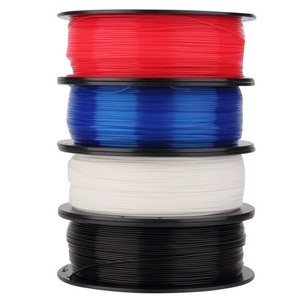
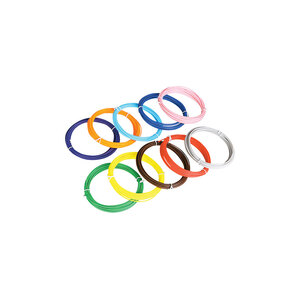
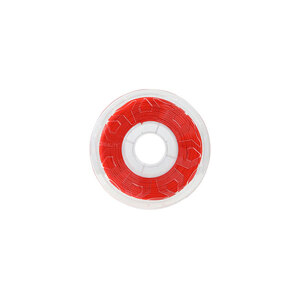
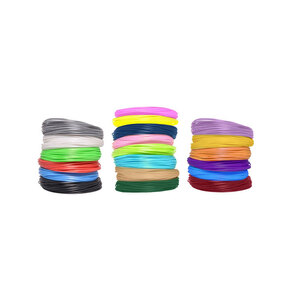
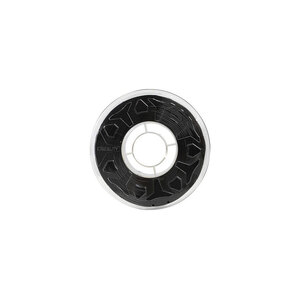
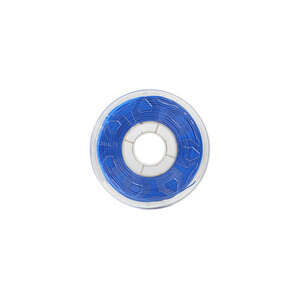
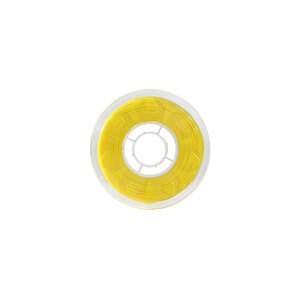
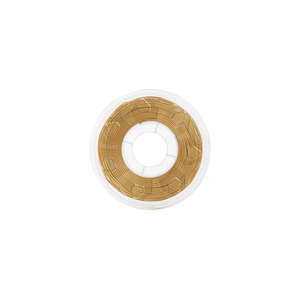
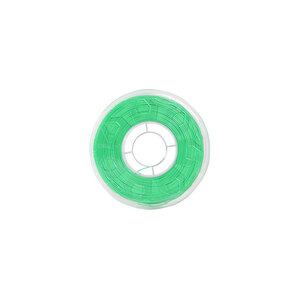
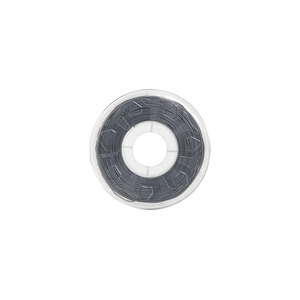
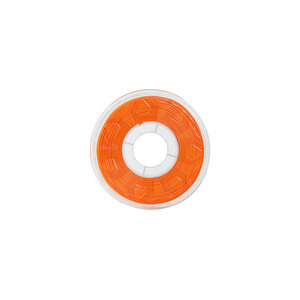
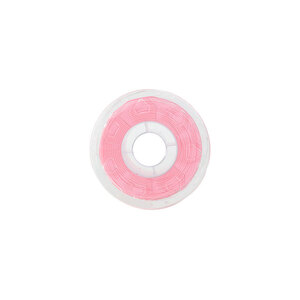
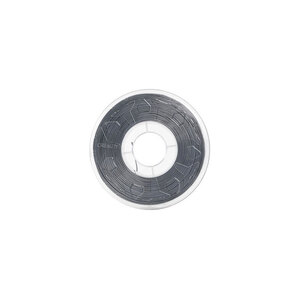
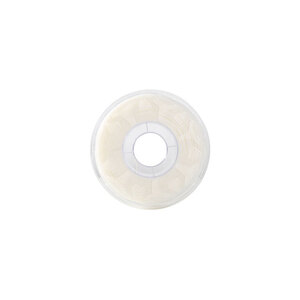
PLA Filament for 3D Printers
Shop PLA filament at Aus Electronics Direct for your 3D printing projects. PLA (Polylactic Acid) is one of the most popular materials used in FDM 3D printing, valued for its ease of use, consistent printing performance and ability to produce detailed models with a smooth finish.
PLA 3D printer filament is suitable for a wide range of applications, including prototypes, models, decorative objects, educational projects and custom components. It is particularly popular with beginners because it generally prints at lower temperatures and produces less warping than materials such as ABS.
Our range includes 1.75mm PLA filament in a variety of colours and spool sizes, including 500g rolls and premium 1kg options. Whether you're creating your first 3D print or working on more detailed projects, choosing the right filament can help you achieve reliable results.
What Is PLA Filament?
PLA filament is a thermoplastic material made from polylactic acid, commonly derived from renewable plant-based sources such as corn starch or sugarcane. It is widely used in FDM 3D printers, where the filament is heated, extruded through a nozzle and deposited layer by layer to create a finished object.
PLA is popular because it is relatively easy to print, offers good detail and is available in a wide range of colours. It is commonly used for decorative models, prototypes, educational projects and general-purpose 3D printing.
Although PLA is derived from renewable resources, it is not automatically biodegradable in ordinary household conditions. Industrial composting conditions are generally required for compostable PLA materials.
Benefits of PLA 3D Printer Filament
PLA filament offers several advantages for everyday 3D printing:
-
Easy to print: Generally easier to work with than ABS and other more demanding materials.
-
Good print detail: Suitable for detailed models, prototypes and decorative objects.
-
Low warping: Generally less prone to warping and shrinkage than ABS.
-
Wide colour selection: Available in different colours to suit creative and practical projects.
-
Beginner-friendly: A popular material for people learning to use 3D printers.
-
Plant-based material: Commonly manufactured from renewable plant-derived resources.
PLA vs ABS Filament: What Is the Difference?
PLA and ABS are two common materials used in FDM 3D printing. Each offers different characteristics depending on the intended application.
|
Feature |
PLA filament |
ABS filament |
|---|---|---|
|
Printing difficulty |
Generally easy |
More challenging |
|
Print temperature |
Generally lower |
Generally higher |
|
Warping |
Relatively low |
More prone to warping |
|
Heat resistance |
Generally lower |
Generally higher |
|
Impact resistance |
Can be more brittle |
Generally tougher |
|
Heated bed |
Often optional, depending on printer |
Generally recommended |
|
Common applications |
Models, prototypes and decorative objects |
Functional parts, brackets and enclosures |
Choose PLA for general-purpose printing, detailed models and beginner projects. ABS is worth considering when greater heat resistance and toughness are required.
What Temperature Should PLA Filament Be Printed At?
PLA filament commonly prints at a nozzle temperature of approximately 190–220°C. A heated bed may be used at around 40–60°C, although some PLA formulations and printers can print successfully without one.
Recommended settings vary depending on the filament manufacturer, printer and print speed.
For better results:
-
Check the recommended nozzle temperature on the filament packaging.
-
Adjust the heated bed temperature according to the manufacturer's guidance.
-
Ensure the first layer adheres properly to the build surface.
-
Keep filament dry and store it in a sealed container when not in use.
-
Adjust print speed and cooling settings to suit the model and filament.
Always follow the specific manufacturer's recommendations rather than relying on general temperature ranges.
How to Choose the Right PLA Filament
When selecting PLA filament, consider the following factors:
-
Filament diameter: Check whether your printer requires 1.75mm or another filament diameter.
-
Spool weight: Choose between smaller rolls for occasional projects and larger 1kg spools for regular printing.
-
Colour: Select a colour that suits the appearance and purpose of your finished model.
-
Filament quality: Look for consistent diameter tolerances and reliable material quality.
-
Printer compatibility: Confirm that the filament is suitable for your printer and its extruder system.
Before purchasing, check your printer's supported filament diameter and recommended printing temperatures to ensure compatibility.
FAQ
What is PLA filament used for?
PLA filament is used for FDM 3D printing applications such as prototypes, decorative models, toys, educational projects, display objects and general-purpose components. Its ease of printing makes it a popular choice for beginners and experienced users.
Is PLA filament suitable for beginners?
Yes. PLA is one of the most beginner-friendly 3D printing materials. It generally prints at lower temperatures than ABS, has relatively low warping and can produce good-quality results without complicated printer settings.
What size PLA filament do I need?
The filament diameter must match your 3D printer's specifications. Many FDM printers use 1.75mm PLA filament, while some older or specialised printers use other diameters. Check your printer's manual before purchasing.
What temperature should I use for PLA filament?
PLA filament commonly prints at a nozzle temperature between 190°C and 220°C. Heated bed temperatures of approximately 40–60°C are often used, but the ideal settings depend on the filament manufacturer and printer model.
Is PLA filament stronger than ABS?
PLA is generally more rigid, while ABS is typically tougher and more impact-resistant. PLA is suitable for many everyday models and prototypes, whereas ABS is often preferred for components requiring greater heat resistance and impact resistance.
Does PLA filament need a heated bed?
Not always. Many PLA filaments can print successfully without a heated bed, although using one can improve first-layer adhesion and print consistency. Check the recommended settings for your specific filament.
Can PLA filament be used in any 3D printer?
PLA is compatible with many FDM 3D printers, but compatibility depends on the printer's supported filament diameter, extruder and temperature capabilities. Always check the printer manufacturer's specifications.
How long does a 1kg roll of PLA filament last?
The lifespan of a 1kg spool depends on the size, density and number of objects being printed. Small decorative models may use only a few grams, while larger prints can consume significantly more filament.
How should PLA filament be stored?
Store PLA filament in a sealed bag or airtight container with a desiccant to minimise moisture exposure. Keep it in a cool, dry location when not in use.
Can PLA filament be used outdoors?
PLA can be used for some outdoor projects, but it has relatively low heat resistance and can soften or deform when exposed to high temperatures. Prolonged sunlight and weather exposure may also affect its performance.
Is PLA filament biodegradable?
PLA is made from plant-derived resources and can be industrially compostable under suitable conditions. However, it does not generally break down quickly in ordinary household compost, soil or landfill environments.
Can PLA filament be used in a 3D printing pen?
Many 3D printing pens support 1.75mm PLA filament. However, compatibility depends on the pen model, so check its recommended filament type and diameter before use.