
-
Filter By Stock
- In Stock (12)
Filter By Brand
- Fly Sky (21)
RC Radio Receivers
Popular Products
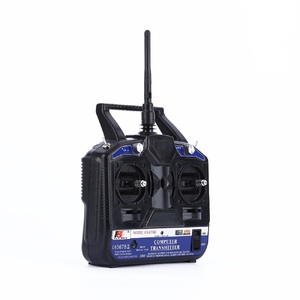
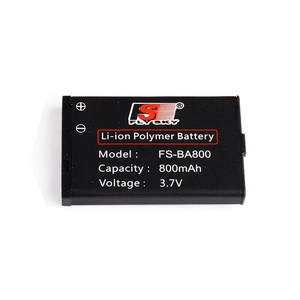
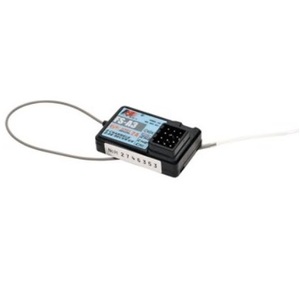
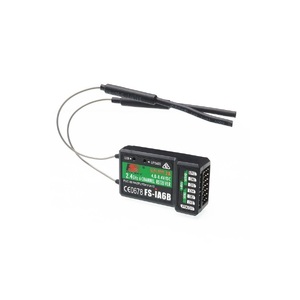
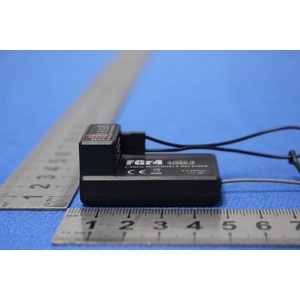
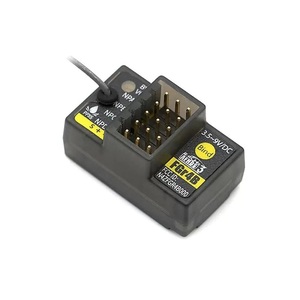
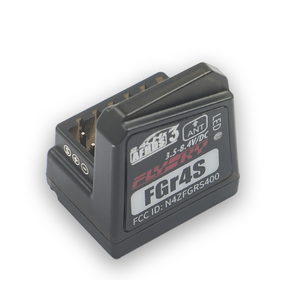
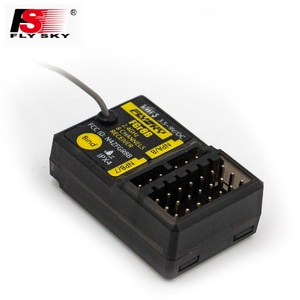
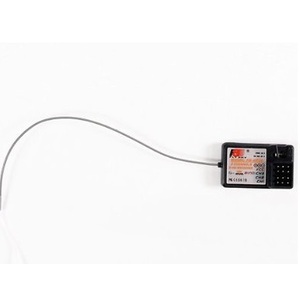
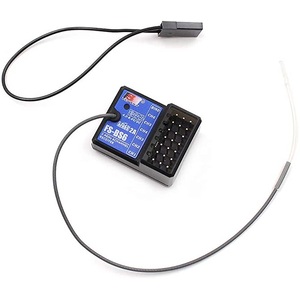
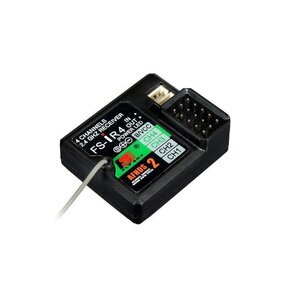
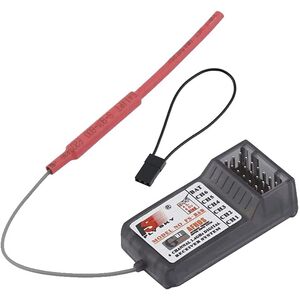
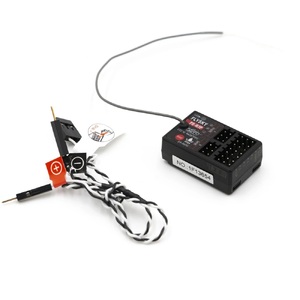
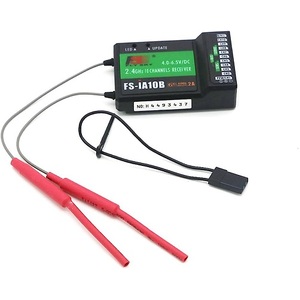
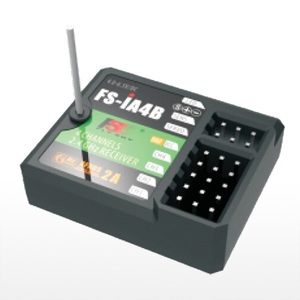
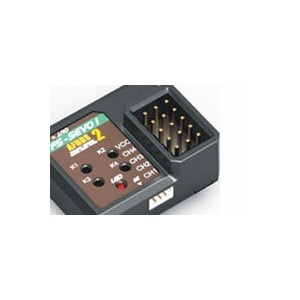
RC Radio Receivers for Cars, Trucks and Hobby Applications
Shop RC radio receivers at Aus Electronics Direct. We stock a range of radio control receivers designed for compatible RC cars, RC trucks, boats, aircraft and other radio-controlled hobby applications.
Explore 2.4GHz radio receivers from FlySky and other compatible systems, with different channel configurations to suit your remote control setup. Whether you need a replacement receiver or an additional receiver for your RC vehicle, choosing the correct model is essential for reliable communication with your transmitter.
Choosing the Right RC Radio Receiver
When selecting an RC receiver, consider the following specifications:
-
Channel configuration: Choose the number of channels required for your RC vehicle. Common options include 2, 3, 4, 6, 8 and 10 channel receivers.
-
Operating frequency: Check that the receiver uses the same compatible radio frequency and transmission protocol as your transmitter.
-
Transmitter compatibility: Ensure the receiver is designed to work with your specific radio controller, brand and model.
-
Receiver size: Consider the physical dimensions and available mounting space inside your RC vehicle.
-
Waterproofing: For vehicles operating in wet conditions, consider a receiver specifically rated for water resistance or waterproofing.
-
Additional features: Depending on the model, features may include telemetry support, failsafe functionality and additional receiver connections.
FlySky 2.4GHz Radio Receivers
Explore FlySky RC receivers with different channel configurations for compatible radio control systems. From compact 3-channel receivers to multi-channel receivers for more advanced RC applications, compare specifications and transmitter compatibility before purchasing.
Shop RC Replacement Receivers Online
Find replacement and additional RC radio receivers at Aus Electronics Direct. Browse our range of 2.4GHz receivers and compatible radio control accessories to find the right receiver for your RC car, truck, boat or aircraft.
Frequently Asked Questions About RC Radio Receivers
1. What does an RC radio receiver do?
An RC radio receiver is an electronic device that receives wireless signals from a radio transmitter (remote control) and sends the corresponding commands to the electronic components of a radio-controlled vehicle. It allows users to control functions such as steering, acceleration, braking and other auxiliary features. RC receivers are commonly used in RC cars, trucks, boats, planes and other hobby applications.
2. How do I choose the right receiver for my RC car?
When choosing an RC receiver for your car, check its compatibility with your radio transmitter, operating frequency and transmission protocol. You should also consider the number of channels required, receiver dimensions, power supply requirements and additional features such as telemetry and failsafe functionality. Make sure the receiver is compatible with your vehicle's electronic speed controller (ESC) and servos before purchasing.
3. What is the difference between a 3-channel and 6-channel receiver?
The main difference is the number of independent control channels available. A 3-channel receiver typically supports basic RC functions such as steering, throttle and one additional function. A 6-channel receiver provides more control options for additional features such as lights, auxiliary switches, winches and other accessories, depending on the transmitter and receiver capabilities. Choose a channel configuration that suits your RC vehicle and intended applications.
4. Are all 2.4GHz RC receivers compatible with each other?
No. Although many RC radio systems operate on the 2.4GHz frequency band, this does not mean their receivers are interchangeable. Different manufacturers use different communication protocols, binding procedures and system configurations. Always check that the receiver is compatible with your specific transmitter model and supported protocol before purchasing.
5. How do I bind an RC receiver to a transmitter?
Binding connects an RC receiver to a compatible radio transmitter so they can communicate with each other. The general process involves placing the receiver into bind mode, activating the transmitter's binding function and waiting for the receiver to establish a connection. The exact procedure varies between brands and models, so always follow the manufacturer's instructions. After binding, check that the steering, throttle and other controls operate correctly before using your RC vehicle.
6. What is a failsafe function on an RC receiver?
A failsafe function is a safety feature that determines what happens if the receiver loses its signal from the transmitter. Depending on the receiver and its configuration, the failsafe may set the throttle to neutral, apply braking or move selected channels to predetermined positions. This helps reduce the risk of an RC vehicle continuing to operate without control. Always configure and test the failsafe according to the manufacturer's i