
Filter By compatible Brand
- Ender
-
Filter By Stock
- In Stock (4)
Filter By Price Range
- $4 or below
- $4 to $28
- $28 to $52
- $52 to $76
- $76 or above
Filter By Price Range
Filter By Brand
- Ender (7)
- iduino (1)
Categories
- Spare Parts
- Quadcopter
- Aquaculture
- Raspberry Pi Boards, Kits & Accessories
- Video Cables, HDMI Converters & AV Accessories
- Electronic Gadgets & Tech Gifts
- Automotive, Camping & Outdoor Electronics
- Home Security & Smart Home Automation
- RC Drones | Camera, GPS & FPV Drones
- Audio Equipment & Accessories
-
Audio Speakers | Bluetooth, PA, Wall & Ceiling Speakers
- Car Speakers | Coaxial & Replacement Speakers
- Audio Tweeters | Speaker Tweeters
- Speaker Brackets & Stands
- Bookshelf Speakers | Bluetooth & Powered
- 100V Line Speakers | PA Speakers
- Bluetooth Speakers
- Ceiling & Wall Speakers
- PA & Party Speakers
- Speaker Drivers | Woofers & Subwoofers
- Subwoofer Drivers | 8", 10", 12" & More
- Audio Converters | Digital to Analogue & Analogue to Digital
- Audio Cables | RCA, XLR, 3.5mm & Speaker Cables
- Party Equipment | Party Lights, Fog Machines & Effects
- Microphones | USB, Wireless, Vocal & Podcast Mics
- Audio Mixers | Mixing Desks, USB & Bluetooth
- Headphones & Earphones | Bluetooth, Wireless & Wired
- Turntables | Vinyl Record Players, USB & Bluetooth
- Amplifiers
- Bluetooth Audio | Bluetooth Receivers & Transmitters
- Radios & MP3 Players | AM/FM, DAB+ & Digital Radios
- Stereo Amplifiers
- UHF Walkie Talkies | 80 Channel UHF Radios
-
Audio Speakers | Bluetooth, PA, Wall & Ceiling Speakers
- Mobile Phone Accessories | Chargers & Cables
- Computer Accessories & IT Products
- Computer Accessories | PC & IT Accessories
- USB Webcams | HD Computer Webcams
- Computer Adapters & Converters | IT Adapters
- Computer Headsets | PC Headsets with Microphones
- Computer Keyboards & Mice | PC Keyboards & Mice
- IT Cables & Computer Cables
-
Networking Products | Ethernet Cables, Switches & Wi-Fi
- CAT 5/6 Crimper & RJ45 Crimping Tools | Aus Electronics Direct
- PoE Injectors & Gigabit PoE Adapters Australia
- CAT 5 Ethernet Network Cable
- CAT 6 Ethernet Network Cable
- CAT 7 Ethernet Cables | CAT7 Network Cables
- CAT 8 Ethernet Cables | CAT8 RJ45 Network Cables
- Cellular & Wi-Fi Antennas A
- Ethernet Switches & Network Switches Australia
- RJ45 Network Plugs & Modular Crimp Plugs
- Wi-Fi Range Extenders & Repeaters |
- Wi-Fi Routers & Wireless Routers
-
USB Cables, Hubs & Adapters
- USB 2.0 Cables & Leads
- USB 3.0 CableUSB 3.0 Cables & Leads
- USB 3.1 Type C Converter
- USB Adapters & Converters
- USB Cables | USB-A, USB-C, Micro & Mini USB Cables
- USB DongleUSB Wi-Fi & Bluetooth Dongles
- USB Extension Cables & Active USB Extenders
- USB HubUSB Hubs & USB-C Hubs
- USB Video Capture Devices & Cards
- USB-C Cables Australia | Fast Charging & Data Cables
- Electronic Components | Connectors, Switches & Parts
- Data & IT Connectors
- RF Connectors
- Terminals Strips & Terminal Blocks
- DC Power Connectors, Plugs & Sockets
- AC Power Components, IEC Plugs & Sockets |
- Fuses | Glass, Ceramic & Blade Fuses
- Relays | 5V, 12V, 24V & PCB Relays | Aus Electronics Direct
- Electronic Hardware & Mounting Components
- Electronic Switches | Push Button & Toggle Switches
- Audio Video Components & AV Connectors
-
Electronic Enclosures & Project Boxes | ABS & Metal
- ABS Plastic Enclosures, Jiffy Boxes & Project Cases
- Aluminium Enclosures & Diecast Project Boxes
- Electrical Enclosures & Distribution Boxes
- Electronic Instrument Cases & Enclosures
- Electronic Potting Boxes – Circuit Protection Enclosures
- Flange Mount Electronic Boxes – ABS & Aluminium Enclosures
- Jiffy Boxes & ABS Plastic Project Boxes
- Rack Mount Enclosures & 19-Inch Rack Cases
- Tool Boxes & Protective Equipment Cases
-
Cooling Fans & Accessories | AC & DC Fans
- CPU Fans – Computer & Laptop Cooling Fans
- Hardware and Accessories
- 12V DC Cooling Fans | 12V Case & Exhaust Fans
- 240V AC Cooling Fans – 80mm, 120mm & 171mm Fans
- 24V DC Cooling Fans – Ball, Ceramic & Maglev Bearing
- 48V DC Cooling Fans – Ball & Ceramic Bearing Fans
- Rack Mount Cooling Fans & 1U Fan Trays
- RC Cooling Fans – ESC & Brushless Motor Fans
- Digital Panel Meters, Voltmeters & Ammeters
- Electrical & Electronic Connectors
- Electronic Cables & Wiring | DC Leads & Cable Assemblies
- Electronics Tools & Test Equipment
- Health and Safety
- Raspberry Pi
- 3D Printers – Desktop, FDM & Resin 3D Printers
-
Test & Measurement Equipment
- Tachometer
- Vernier Calipers | Digital & Metal Calipers
- Multimeter Test Leads & Accessories | Test Probes
- Weather Stations | Digital & Wireless Weather Stations
- Digital Clamp Meters | AC/DC Current Clamp Meters
- Digital Thermometers & Temperature Meters
- Cable Testers & Network Cable Testers
- Non-Contact Voltage Testers & AC Detectors
- Digital Scales & Electronic Weighing Scales
- Metal Detectors & Pinpointers
- Infrared Thermometers & Temperature Guns
- Digital Multimeters & Electrical Test Meters
- Environmental Meters & Test Instruments
- Laser Distance Meters & Laser Measures
-
Tape & Adhesives | Electrical Tapes and Glue
- Packing Tape
- Duct Duct Tape & Heavy Duty Adhesive Tape
- Adhesive Glue & Specialist Glues Online
- Amalgamating Tape & Self-Fusing Tape
- Conductive Paint
- Copper Tape for Electronics & RF Shielding |
- Double-Sided Tape & Adhesive Tape | Aus Electronics Direct
- Electrical Tape for Wiring & Insulation
- Epoxy Adhesives for Metal & Plastic
- Gaffer Tape | Black, White & Coloured Tape
- Hook & Loop Tape | Reusable Cable Fasteners
- Other Tapes
- Thermal Tape & High Temperature Tape
-
Electronics Tools | Electronic Tool Kits and Equipment
- Cable Snakes & Cable Pulling Tools
- Anti-Static & ESD Protection Products
- Electronics Tools & Workshop Accessories
- Cutting & Drilling Tools for Electronics
- Hot Glue Guns & Glue Sticks
- Pliers & Side Cutters for Electronics
- Wire Strippers & Crimping Tools
- Electronics Tool Kits & Starter Kits
- Precision Screwdrivers & Screwdriver Sets
- Ultrasonic Cleaners for Jewellery & Parts
- Magnifying Lamps & LED Magnifiers
- Soldering Irons, Stations and Accessories
- LED Lights | LED Strips, Torches & Bulbs
- LED Party Lights | Disco & String Lights
- LED Lanterns | Rechargeable & Camping Lights
- LED Fairy Lights | Decorative String Lights
- LED Work Lights | Rechargeable & Floodlights
- LED Head Torches | Rechargeable Headlamps
-
Household LED Lights | Bulbs & Downlights
- LED Cabinet Lights | Motion Sensor & Wireless
- LED Desk LED Desk Lamps | Dimmable & Rechargeable
- LED Downlights | Dimmable & Smart LED Lights
- LED Floodlights | Outdoor & Dimmable Lights
- LED Light Bulbs | Bayonet & Edison Screw
- LED Oyster Lights | Dimmable Ceiling Lights
- Motion Sensor Lights | LED & Solar Lights
- LED Torches | Rechargeable LED Flashlights
- 12V LED Light | Automotive & Camping Lights
-
LED Strip Lights | RGB & Waterproof LED Strips
- LED Strip Light Power Supplies | 12V DC Adapters
- LED Strip Light Accessories & Connectors
- Red LED Strip Lights | 5m LED Strips & Kits
- USB LED Strip Lights | RGB Kits for TV & Desk
- Green LED Strip Lights | 5m LED Strips & Kits
- Yellow LED Strip Lights | 5m LED Strips & Kits
- Blue LED Strip Lights | 5m LED Strips & Kits
- Flexible Neon LED Strip Lights | 12V IP65
- Rigid LED Strip Lights & Aluminium LED Bars
- White LED Strip Lights | Warm, Cool & Natural White
- RGBW LED Strip Lights | 12V 5050, IP65 & IP68
- Digital LED Strip Lights | Addressable RGB & WS2812B
- 2835 LED Strip Light Kits | 5m, 12V & IP65
- RGB LED Strip Lights & Kits | 12V, 5050 & IP65
- 5050 LED Strip Light Kits | 5m & RGB LED Kits
- Arduino Australia – Boards, Kits & Components
- BBC Micro:bit
- DC Motors & Geared Motors for Arduino
- Arduino Wireless Modules | Wi-Fi, Bluetooth & RF
- Arduino Accessories and Project Components
- Breadboards | Solderless Breadboards & Kits
- Arduino Shields | Motor, LCD & Expansion Boards
- Arduino Sensors | Temperature, Motion & More
- Arduino Displays | LCD, LED & TFT Screens
- Arduino Module | Sensors, Drivers & Displays
- Arduino Development Boards | Aus Electronics Direct
- Arduino Starter Kits | Beginner Project Kits
- Genuine Arduino Boards Made in Italy
- Batteries | Primary, Rechargeable Ni-Cad, Ni-Mh & Lithium Batteries
- 18500 Rechargeable Batteries | 3.7V Li-ion Cells
- 18650 Rechargeable Batteries | Li-ion Cells
- 3.7V Li-ion Batteries | 18650, 14500 & 26650
- Alkaline & Lithium Batteries | AA, AAA & Coin Cells
- Lithium Battery Packs for consumer electronic devices
- Ni-Cad Rechargeable Batteries & Packs
- NiMH Rechargeable Batteries | AA, AAA & Battery Packs
- Rechargeable Battery Packs | Li-ion & LiPo
- Power Supplies & Electrical Accessories
- Battery Testers | Car & Rechargeable Battery Testers
- Transformers | Toroidal, EI Core & Step-Down
-
Solar Panels & Accessories | Solar Power
- Solar Mounting Hardware & Brackets | Solar Accessories
- Battery Isolators & Dual Battery Switches
- Battery Monitor Displays & 12V Battery Meters
- Modified Sine Wave Inverters 12V & 24V | 240V
- Pure Sine Wave Inverters 12V & 24V | 240V AC
- Solar Battery Chargers | 12V Solar Battery Charger
- Solar Cables & MC4 Connectors | PV Solar Accessories
- Solar Charge Controllers & Regulators | 12V & 24V
- Solar Panels | 12V & Portable Solar Panels
-
Battery Chargers | Li-ion, AA, RC & 12V
- Laptop Chargers | Universal & USB-C Chargers
- Power Banks – USB-C, Fast Charging & Portable
- Portable Jump Starters | 12V & 24V Lithium Jump Starters
- NiMH & NiCd RC Battery Chargers
- 12V Battery Chargers | Car & Lithium Chargers
- 18650 Battery Chargers – Single & Dual Slot
- Battery Pack Charger
- Li-ion Battery Chargers – 18650 & USB Chargers
- RC Battery Charging Cables & Leads
- DC Power Cables & Connectors | 12V & 24V
- Switchmode Power Supplies 5V, 12V, 24V & 48V
-
Powerboards & Mains Adaptors
- Black Powerboards | 4, 6 & 8 Way Power Boards
- Double Power Adaptor | 240V Double Power Point Adapter
- PDU Power Rails & Power Distribution Units
- Powerboards | 4, 6 & 8 Way Power Boards | Aus Electronics Direct
- RCD Powerboard & RCD Powerblock | Safety Powerboards
- Surge Protected Powerboards | Surge Protection
- Switched Powerboards | Individual Switch Powerboards
- USB Power Boards | Powerboards with USB & USB-C
-
Travel Adaptors Australia | International Plug Adaptors
- Bali Travel Adapter – Australian to European Plug Adaptor
- Europe Travel Adaptors | Australia to Europe
- Inbound Travel Adaptors | International Plug Adaptors
- India Travel Adapter Australia | Plug Adaptors with USB
- Japan Travel Adapter | 2-Pin Japanese Plug Adaptor
- Outbound Travel Adaptors | Europe, USA, Asia & UK
- South Africa Travel Adaptor
- UK Travel Adapter | Hong Kong Type G Power Adaptor
- USA Travel Adaptor – Australian to American Plug Adapter
- USB Chargers | USB-C, Fast & Multi-Port Chargers
-
AC Power Cables | IEC Leads, Plugs & Sockets
- 240V Extension Cords | Mains Power Extension Leads
- C7 IEC Power Cables | Figure 8 Power Cables
- 240V Mains Power Cables | AC Power Leads
- 3 Pin Mains Power Cables | 240V AC Power Leads
- C13 IEC Power Cables | C13 Power Leads
- C14 IEC Power Cables | C14 Power Leads
- C15 IEC Power Cables & Leads | High Temperature
- C19 IEC Power Cables & Leads | 15A C19 Cables
- C20 IEC Power Cables & Leads | 15A C20 Cables
- IEC Lock Power Cables & Locking IEC Leads
- IEC Plugs & Sockets | C7, C13, C14, C19 & C20
- IEC Power Cables | C5, C7, C13, C14, C7 & C19
- Rewireable Mains Plugs & Sockets | IEC Connectors
-
Power Points & Light Switches | GPO Sockets
- Electrical Accessories
- Circuit breaker & Timers
- Distribution Box
- Plug Base Socket
- Weatherproof Socket
- Black Light Switches | Power Switches
- Clipsal Compatible Switches & Power Points | White Wall Plates
- Smart Zigbee Power Switch
- Zigbee Smart Power Points | Smart GPO Sockets
- Black Power Points | Black GPO Sockets
- Smart Wi-Fi Power Points & Smart GPO Sockets
- Switch Mechanisms & Switch Mechs | Electrical Inserts
- Glass Power Points & Touch Light Switches
- Slim Light Switches & Power Points | Slim Series
- Alpha Series GPO Power Points & Light Switches
- Smart Wi-Fi Light Switches | Smart Wall Switches
- 240V Timers and Controllers
- GPO Wall Sockets | Power Points with USB Outlets
- Power & Light Switches | Aus Electronics Direct
-
Power Adapters | AC to DC Power Supplies
- Extension Cables, Splitters and Plugs
- Reversible DC Plug
- Linear Type
- Power Inserter
- Interchangeable DC plug
- UPS
- Multi-Voltage Power Adapters & Universal DC Adapters
- 14V DC Power Adapter
- 13.8V DC Power Supplies & Adapters
- 3.3V Power Adapter
- 19V DC Power Adapters & 19V Power Supplies
- 7.5V DC Power Adapters & 7.5V Power Supplies
- Variable Power Supplies & Adjustable DC Power Adapters
- USB Wall Chargers | USB Power Adapters
- 18V DC Power Adapters & 18V Power Supplies
- 48V DC Power Supplies & 48V Power Adapters
- AC Power Adapters | 240V AC to AC Transformers
- 24V DC Power Adapters & 24V Power Supplies
- 15V DC Power Adapters & 15V Power Supplies
- 9V DC Power Supply Adapters | 9V 500mA, 1A, 2A, 3A & 5A
- 6V DC Power Adapters & 6V Power Supplies
- 5V DC Power Adapters & Power Supplies | 1A–5A ustralia
- 12V DC Power Adapters | 12V Power Supplies
- HDMI Splitter, Switcher, Cables & Accessories
- HDMI Wall Plate Socket
- HDCP Converter
- HDMI Adapters - HDMI to USB, DVI, VGA & Display Port
- IQ4 Compatible HDMI Products
- HDMI Audio Extractors | ARC & eARC
- HDMI Matrix Switchers
- HDMI Wireless Transmitter and Receiver
- Media Players & Set Top Boxes | Aus Electronics Direct
-
HDMI Converters | HDMI to VGA, RCA & More
- DisplayPort to HDMI Adapter & Converter
- HDMI to Component Converter | YPbPr & RGB
- HDMI to DVB-T Modulator | HDMI RF Modulator
- HDMI to DVI Converter | HDMI to DVI-D Adapter
- HDMI to RCA Converter | HDMI to Composite AV
- HDMI to SDI Converter | HDMI to 3G-SDI
- HDMI to VGA Converter | HDMI VGA Adapter
- Mini DisplayPort to HDMI Adapter & Cable
- RCA to HDMI Converter | Composite AV to HDMI
- USB to HDMI Adapters & Converters
- USB-C to HDMI Adapter & Converter | 4K HDMI
- HDMI Extenders | Wired & Wireless 4K
- HDMI Splitters | 4K, 8K & Multi-Display
- HDMI Switches | 4K, 8K & HDMI 2.1 Switchers
-
HDMI Cables | 4K, 8K & High-Speed HDMI Leads
- Mini DisplayPort Cable | Mini DP Monitor & Display Cable
- DisplayPort Cable | DP Monitor & Display Cables
- Amplified HDMI Cable | Active HDMI Signal Cable
- DVI Cable | DVI Monitor & Display Cables
- HDMI to VGA Cable | HDMI to VGA Adapter & Converter
- HDMI to Micro HDMI Cable | Micro HDMI Type D Cable
- HDMI to Mini HDMI
- HDMI to DVI Cable | DVI to HDMI Cable
- High Speed HDMI Cable with Ethernet
- Hybrid Fibre Optic HDMI 2.0 AOC Cables
- Premium High Speed HDMI Cable with Ethernet | 4K 60Hz
- 8K HDMI 2.1 Cables | 48Gbps, 8K 60Hz & 4K 120Hz
- 4K HDMI Cables | HDMI 2.0 18Gbps & 4K 60Hz
- Fibre Optic HDMI 2.1 Cables | 8K 60Hz
- Electronic Toys & RC Toys
- STEM & Educational Kits – Robot & Engineering Kits
- Other Toys – Educational, Electronic & Novelty Toys
- RC Helicopters | Remote Control Helicopters
- RC Motorbikes – Remote Control Motorcycles
- RC Tanks – Remote Control Military & Battle Tanks
- Laser Tag Guns | Laser Tag Sets & Games
-
RC Spare Parts | RC Car, Truck & Hobby Parts
- WL Toys Spare Parts
- FMS Spare Parts
- Hospeed Spare Parts
- HSP RC Spare Parts | HSP Car & Truck Parts
- Radios & Receivers
- River Hobby FTX Spare Parts
- San He Spare Parts
- Subotech Spare Parts
- Team Magic Spare Parts
- TR1020/30 RC Trucks Spare Parts
- TR1040/42/44/46 RC Trucks Spare Parts
- UDI RC Spare Parts
- X-03 SPARE PARTS
- RC Truggies | 2WD & 4WD Remote Control Truggies
- RC Boats | Remote Control Racing & Speed Boats
- RC Planes | Remote Control Planes & Gliders
- RC Construction Vehicles | Excavators & Trucks
- RC Rock Crawlers | 4WD Remote Control Crawlers
- RC Buggy | Remote Control Off-Road Buggies
- RC Cars | Remote Control Cars for All Ages
-
RC Trucks | Monster Trucks & Off-Road RC Vehicles
- 1:18 Scale RC Trucks | Remote Control Trucks
- 1:14 RC Trucks | 1:14 Scale Remote Control Trucks
- 1:16 RC Trucks | 1:16 Scale Remote Control Trucks
- 1:12 Scale RC Trucks | Remote Control Trucks
- 1:10 Scale RC Trucks | Remote Control Trucks
- 1:8 Scale RC Trucks | Remote Control Trucks
- 2WD RC Trucks | 2WD Remote Control Trucks
- 4WD RC Trucks | 4x4 Off-Road RC Trucks
- Brushed RC Trucks | Electric RC Trucks
- Brushless RC Trucks | 4WD Off-Road RC Trucks
- Beginner RC Trucks | Kids & Entry-Level RC Trucks
- RC Hobby | Hobby Cars, Trucks, Motors & Parts
- RC Aircraft & Remote Control Planes
-
RC Leads & Connectors | Battery Plugs & Cables
- XT150 Connectors, Male & Female Plugs for RC Batteries
- HXT Connectors, Bullet Plugs & RC Battery Connectors
- 3.5mm Connector
- 4mm Banana Plugs, Gold Connectors & RC Charger Plugs
- Mini Tamiya Connectors, Male & Female Plugs for RC Batteries
- EC5 Connectors, Male & Female Plugs for RC Batteries
- EC3 Connectors, Male & Female Plugs for RC Batteries
- Futaba Connectors, Servo Plugs & Extension Cables |
- JR Servo Connectors, Male & Female RC Plugs
- Traxxas Connectors, Plugs & Sockets for RC Cars |
- XT60 Connectors, Plugs & Sockets for RC Batteries
- XT90 Connectors, Plugs & Sockets for RC Batteries
- Deans Connectors, T-Plugs & RC Battery Adapters
- LiPo Balance Leads & Extension Cables for RC Batteries
- Tamiya Connectors, Plugs & Adapters for RC Cars
- RC Wire & Cable – Silicone Wire and Hobby Leads
- RC Radios & Receivers | Transmitters & Kits
- RC Servos | Digital, Micro & High Torque Servos
- Hobby RC Parts | RC Car Parts & Accessories
- Hobby RC Buggies | Hobby Grade & Pro RC Buggies
- RC Motors & ESCs | Brushed & Brushless
-
Hobby RC Batteries | LiPo, NiMH & Li-ion Packs
- Tamiya LiPo Batteries for RC Cars & Trucks |
- XT90 LiPo Batteries for RC Cars & Trucks
- XT60 LiPo Batteries for RC Cars & Hobby
- Deans LiPo Batteries for RC Cars & Hobby
- 6S LiPo Batteries 22.2V
- 5S Battery5S LiPo Batteries & 18.5V RC Battery Packs
- Ni-Cad Batteries & Rechargeable Battery
- 3S LiPo Batteries & 11.1V LiPo Battery Packs
- Ni-MH Rechargeable Batteries & Battery Packs
- 4S Battery4S LiPo Batteries & 14.8V RC Battery Packs
- Priority 3.7V LiPo Batteries & 1S Battery Packs
- 2S LiPo Batteries & 7.4V RC Battery Packs
- Li-Ion Batteries & Rechargeable Battery Packs
- Li-Po BatteryLiPo Batteries & Rechargeable Battery Packs
- RC Battery Chargers | LiPo & Balance Chargers
- Hobby Grade RC Trucks | Electric, Nitro & RC Kits
- Hobby RC Cars | Hobby Grade Remote Control Cars
- Hobby RC Crawlers | Hobby Grade Rock Crawlers
- Nitro RC Cars & Trucks | Nitro RC Models
Information
- Home
- Electronics Tools & Test Equipment
- 3D Printers – Desktop, FDM & Resin 3D Printers
- 3D Printer Spare Parts & Replacement Parts
3D Printer Spare Parts
Popular Products
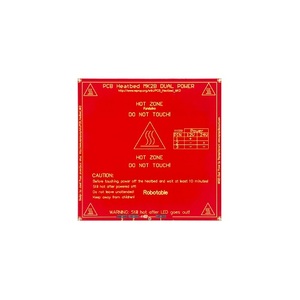
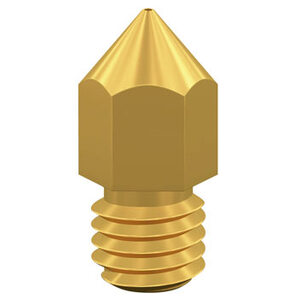
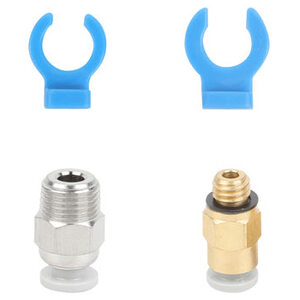
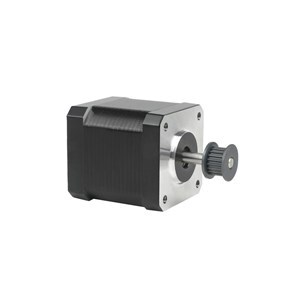
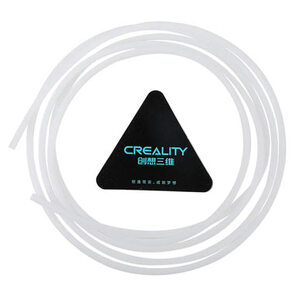
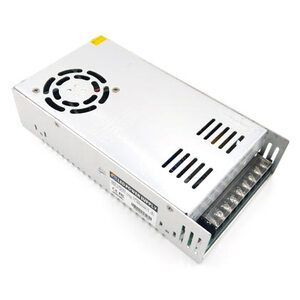
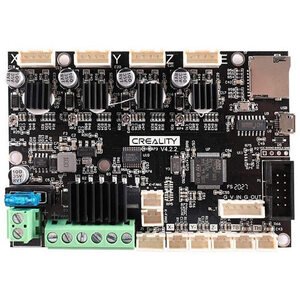
3D Printer Spare Parts
Shop 3D printer spare parts and replacement components at Aus Electronics Direct. Whether you need to repair, maintain or upgrade your 3D printer, our range includes essential replacement parts and accessories to help keep your printer operating reliably.
Explore 3D printer components such as replacement nozzles, heated beds, stepper motors, Bowden tube fittings, PTFE tubing, mainboards and power supply modules. These parts are suitable for various 3D printer models and applications, with product specifications available to help you find compatible replacements.
Choosing the correct replacement part is important for maintaining print quality and ensuring reliable printer performance. Check the product descriptions, dimensions and compatibility information before ordering.
Shop 3D printer spare parts online at Aus Electronics Direct, with fast dispatch from our Sydney warehouse and Australia-wide delivery.
Frequently Asked Questions About 3D Printer Spare Parts
1. What spare parts are commonly needed for a 3D printer?
Common 3D printer spare parts include replacement nozzles, hotends, heated beds, stepper motors, drive belts, fans, PTFE tubing, Bowden connectors, mainboards and power supply modules. The parts required depend on the printer model and the component being repaired or replaced.
2. How often should 3D printer nozzles be replaced?
Nozzle replacement frequency depends on usage, printing materials and nozzle construction. Signs that a nozzle may need replacing include inconsistent extrusion, frequent blockages, reduced print quality and visible nozzle wear.
3. Are 3D printer spare parts universal?
No. Some components are compatible with multiple printer models, while others are designed for specific machines. Always check dimensions, electrical specifications, mounting arrangements and manufacturer compatibility before purchasing.
4. How do I find the correct replacement part for my 3D printer?
Identify your printer's make and model, check the original component's part number and compare its dimensions and specifications with the replacement product. Checking the printer's manual is also recommended.
5. What is a 3D printer hotend?
A hotend is the component responsible for heating and melting filament before it is deposited onto the print surface. It typically includes a heater block, heating element, thermistor and nozzle.
6. When should I replace my 3D printer heated bed?
A heated bed may need replacement if it develops electrical faults, fails to maintain temperature, has damaged heating elements or suffers physical damage that affects print adhesion.
7. What does a stepper motor do in a 3D printer?
Stepper motors control the movement of the printer's axes and extrusion mechanism. They provide precise positioning for the print head, build platform and filament feeding system.
8. Can I upgrade my 3D printer with replacement parts?
Yes. Depending on printer compatibility, upgrades may include improved hotends, replacement mainboards, upgraded cooling fans, different build plates and alternative extrusion components. Check firmware, electrical and mechanical compatibility before upgrading.
9. What is the purpose of PTFE tubing in a 3D printer?
PTFE tubing is commonly used in Bowden-style extrusion systems to guide filament from the extruder to the hotend. The correct tubing diameter and temperature rating are important for reliable operation.
10. How can I maintain my 3D printer and reduce replacement costs?
Regularly clean the nozzle, inspect belts and pulleys, check electrical connections, maintain the build surface and monitor cooling fans. Routine maintenance can help reduce component wear and prevent unexpected failures.