-
Filter By Stock
- In Stock (15)
Filter By Brand
- Arduino (1)
- iduino (22)
- Raspberry Pi (3)
Arduino STEM Kits for Education, Electronics and Robotics
Popular Products
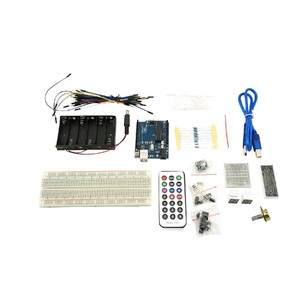
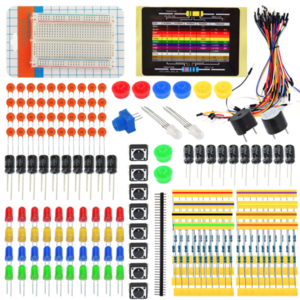
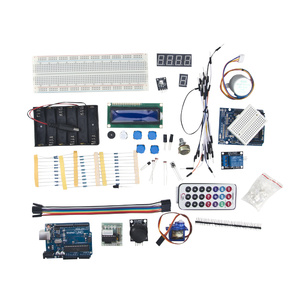
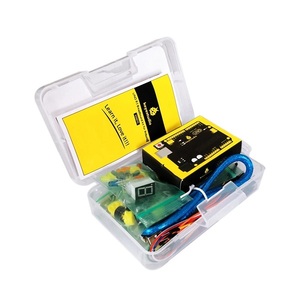
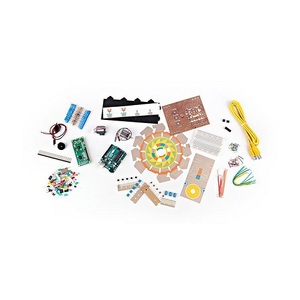
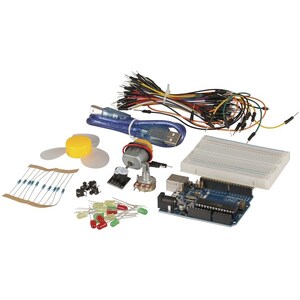
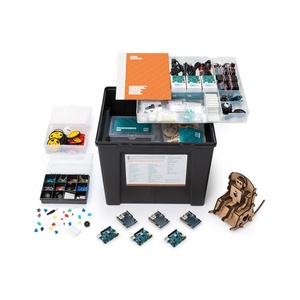
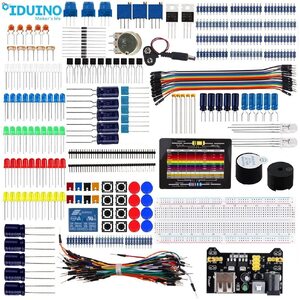
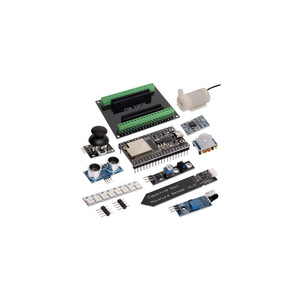
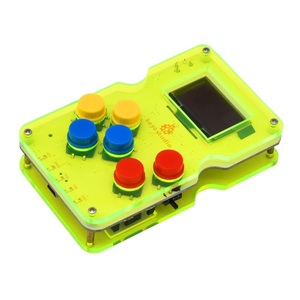
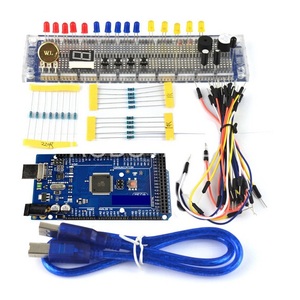
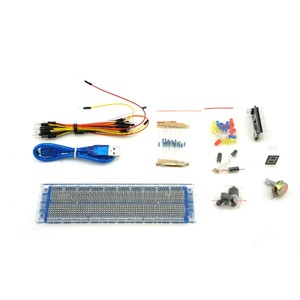
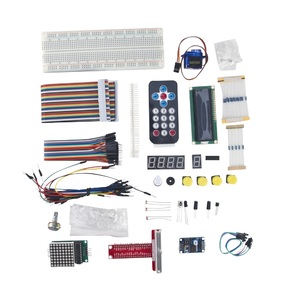
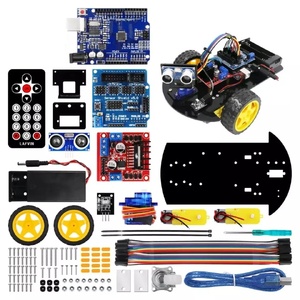
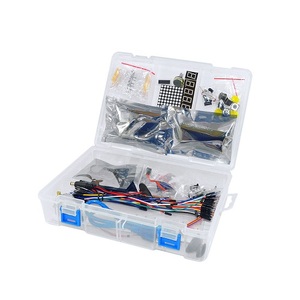
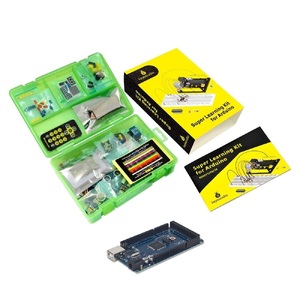
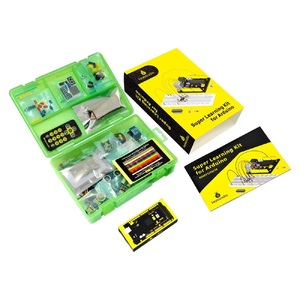
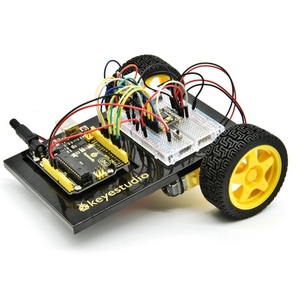
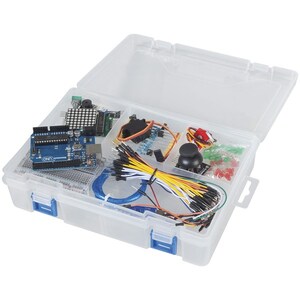
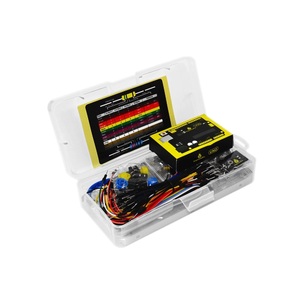
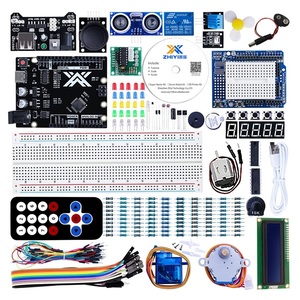
Arduino STEM Kits for Education, Electronics and Robotics
What Are Arduino STEM Kits?
Arduino STEM kits are educational electronics and programming kits designed to help students, teachers and hobbyists explore science, technology, engineering and mathematics through practical activities. These kits combine programmable development boards, electronic components, sensors and project accessories to create interactive learning experiences.
Arduino STEM kits allow users to experiment with coding, circuit design, robotics, automation and electronics. By building and programming real projects, learners can develop technical skills while understanding how electronic devices and computer-controlled systems work.
Suitable for beginners, schools, technical colleges and universities, Arduino educational kits provide a practical introduction to modern technology and engineering concepts. Many kits also include project instructions, example programs and learning resources to guide users through different activities.
What Can You Learn with an Arduino STEM Kit?
Arduino STEM kits support a variety of educational activities covering different areas of science and technology.
Some common learning applications include:
-
Electronics: Learn about circuits, resistors, LEDs, switches and electronic components.
-
Programming: Develop coding skills by writing programs to control electronic devices.
-
Robotics: Build and program robots using motors, sensors and control modules.
-
Engineering: Explore mechanical structures, movement, automation and system design.
-
Sensor technology: Experiment with temperature, light, distance and motion sensors.
-
3D printing: Understand computer-aided design, 3D printing and prototyping.
-
Automation: Develop projects that respond to environmental changes and programmed instructions.
These activities encourage students to apply theoretical knowledge to practical projects.
What Is Included in an Arduino Educational Kit?
The contents vary depending on the kit, its complexity and its intended learning applications.
Common components include:
-
Arduino UNO, Mega or Nano development boards
-
Breadboards and jumper wires
-
LEDs, resistors and capacitors
-
Push buttons and switches
-
Temperature and light sensors
-
Ultrasonic and infrared sensors
-
DC motors and servo motors
-
Motor driver modules
-
LCD displays and electronic modules
-
USB programming cables
-
Project instructions and example code
More advanced educational kits may include robotics platforms, mechanical components, 3D printing equipment and additional programming accessories.
Some component kits require a separately purchased Arduino development board, so customers should check individual product specifications.
Benefits of Arduino STEM Learning
Arduino STEM kits provide practical learning opportunities that help students develop important technical and problem-solving skills.
Key benefits include:
-
Hands-on education: Build real electronic circuits and interactive devices.
-
Programming development: Learn coding concepts through practical applications.
-
Creative problem-solving: Design, test and improve electronic projects.
-
Engineering experience: Explore robotics, mechanical systems and automation.
-
Collaborative learning: Encourage teamwork through classroom projects and group activities.
-
Progressive learning: Start with simple electronics and progress to more advanced engineering projects.
-
STEM and STEAM development: Combine technology and engineering with creative design and experimentation.
How to Choose the Right STEM Kit for Students
Choosing the right STEM kit depends on the student's age, experience, learning objectives and project requirements.
Consider these options:
-
Beginner Arduino kits: Suitable for introducing students to electronics, programming and basic circuits.
-
Arduino UNO starter kits: Provide a versatile platform for learning microcontroller programming and electronic projects.
-
Arduino Mega kits: Suitable for more complex projects requiring additional input/output connections.
-
Arduino Nano kits: Compact development platforms for smaller electronics projects.
-
Sensor kits: Help students explore environmental measurements, detection and automation.
-
Robotics kits: Introduce mechanical engineering, motor control and autonomous movement.
-
3D printer kits: Allow students to explore digital design, prototyping and additive manufacturing.
-
Advanced STEAM education kits: Provide broader learning opportunities through structured educational activities.
Before purchasing, compare the included components, programming requirements, instruction manuals and compatibility with the intended learning activities.
Arduino STEM Projects for Schools and Beginners
Arduino STEM kits can be used to create a variety of educational projects, including:
-
Automatic LED lighting systems
-
Electronic traffic light simulations
-
Temperature and humidity monitoring devices
-
Motion detection alarms
-
Ultrasonic distance measurement projects
-
Obstacle-avoiding robotic vehicles
-
Line-following robots
-
Bluetooth-controlled robots
-
Electronic games and interactive displays
-
Automated irrigation systems
-
3D-printed mechanical projects
These activities help students understand how programming, electronics and engineering work together to create functional devices.
Recommended FAQ Content – Arduino STEM Kits
1. What are Arduino STEM kits?
Arduino STEM kits are educational electronics kits designed to teach students practical skills in science, technology, engineering and mathematics. They typically include an Arduino-compatible development board, electronic components, sensors, wiring and project instructions. Students can use these kits to build circuits, write code and create interactive projects such as LED displays, alarms, sensor systems and robots.
2. What does STEM stand for in STEM education?
STEM stands for Science, Technology, Engineering and Mathematics. STEM education combines these subjects through practical activities and problem-solving projects. Arduino kits support STEM learning by allowing students to experiment with electronics, programming, circuits and engineering concepts.
3. What is the difference between STEM and STEAM education?
STEM focuses on Science, Technology, Engineering and Mathematics, while STEAM adds Arts to the same subjects. STEAM education encourages creativity and design alongside technical learning. Arduino projects can support both approaches, allowing students to build functional electronic devices while exploring creative ideas, interactive displays and innovative designs.
4. Are Arduino STEM kits suitable for beginners?
Yes. Many Arduino STEM kits are designed for beginners and include the components and instructions needed to get started. Basic kits often feature simple projects involving LEDs, buttons, buzzers and sensors. Beginners can learn how circuits work and gradually develop their programming skills before moving on to more advanced projects.
5. What age group are Arduino STEM kits suitable for?
Arduino STEM kits can suit a range of age groups, from older primary-school students to high-school students, university learners and adults. The appropriate kit depends on the complexity of its projects, the student's experience and the level of supervision available. Check individual product descriptions for recommended ages and any specific requirements.
6. What is included in an Arduino educational kit?
An Arduino educational kit may include an Arduino-compatible development board, breadboard, jumper wires, LEDs, resistors, buttons, buzzers, motors and sensors. More comprehensive kits may also contain displays, wireless modules, robotics components and project manuals. Contents vary between kits, so check the individual product listing to confirm whether a development board, USB cable and other accessories are included.
7. What can students learn from Arduino STEM kits?
Students can develop practical skills in electronics, programming, circuit design, engineering and problem-solving. They can learn how to connect components, read sensor data, control motors, write code and troubleshoot circuits. More advanced projects can introduce automation, robotics, data collection and wireless communication.
8. Are Arduino STEM kits suitable for school projects?
Yes. Arduino STEM kits are useful for school projects because they provide hands-on learning opportunities across electronics, coding and engineering. Students can create projects such as automatic lighting systems, temperature monitors, obstacle-avoiding robots and simple alarms. Teachers can use the kits for individual assignments, classroom demonstrations and group challenges.
9. Can Arduino kits be used for teaching programming?
Yes. Arduino kits are commonly used to introduce programming through practical electronics projects. Students write code to control LEDs, read buttons and sensors, operate motors and respond to input signals. This helps explain programming concepts such as variables, loops, conditions and functions through visible, interactive results.
10. What is the difference between an Arduino UNO, Mega and Nano starter kit?
The main differences are their board size, available input/output connections and intended applications.
-
Arduino UNO: A popular general-purpose board for beginners and everyday electronics projects. It is a good starting point for learning Arduino programming.
-
Arduino Mega: Offers more input/output pins and memory than an UNO, making it suitable for larger projects involving multiple sensors, displays or other components.
-
Arduino Nano: A compact board suited to smaller projects where space is limited, such as embedded electronics and compact devices.
The best option depends on the project requirements, available space and number of components you plan to connect.
11. Do Arduino STEM kits include project instructions?
Many Arduino STEM kits include printed or downloadable manuals, tutorials, circuit diagrams and example programs. These resources help students understand how to connect components, upload code and complete projects. The level of guidance varies between kits, so check the product description to see which instructions and learning materials are supplied.
12. Can Arduino STEM kits be used for robotics projects?
Yes. Arduino STEM kits can be used to build a variety of robotics projects, including robot cars, line-following robots and obstacle-avoiding robots. Depending on the kit, students may work with DC motors, motor drivers, ultrasonic sensors, servos and wireless control modules. Robotics projects help develop skills in mechanical design, electronics and programming.
13. What programming language is used with Arduino?
Arduino is commonly programmed using the Arduino programming language, which is based on C and C++. Students write sketches using the Arduino IDE or compatible development environments, then upload the code to the development board. Beginners can start with simple commands and gradually learn more advanced programming concepts.
14. Do Arduino educational kits require previous electronics experience?
No. Beginner-friendly Arduino educational kits generally do not require previous electronics experience. They provide an opportunity to learn fundamental concepts such as voltage, current, resistance and circuit connections through practical exercises. Following the supplied instructions and starting with simple projects can make learning easier.
15. Can Arduino STEM kits be used in universities and technical colleges?
Yes. Arduino STEM kits can be used in universities and technical colleges for introductory and practical learning in electronics, programming, automation and engineering. More advanced kits can support projects involving robotics, sensor networks, embedded systems and prototyping. They are also useful for demonstrations, laboratory exercises and student design projects.
16. What is the difference between a basic and advanced Arduino STEM kit?
A basic Arduino STEM kit typically includes an entry-level development board and common components such as LEDs, resistors, buttons and simple sensors. It is designed for learning fundamental electronics and programming.
An advanced kit may include a wider range of sensors, displays, motors, communication modules and robotics components. It can support more complex projects involving automation, wireless control, data monitoring and multi-component systems.
17. Are Arduino STEM kits suitable for classroom group activities?
Yes. Arduino STEM kits can be used for classroom group activities, collaborative experiments and project-based learning. Students can work together to plan circuits, write programs, test prototypes and solve technical problems. Teachers can assign different tasks to team members, encouraging communication, teamwork and practical problem-solving.
18. Can students expand Arduino STEM kits with additional components?
Yes. Many Arduino STEM kits can be expanded with compatible sensors, displays, motors, modules, cables and other electronic components. Students can add new features to existing projects or develop more advanced designs as their skills improve. Before purchasing additional parts, check board compatibility, voltage requirements, connection types and available input/output pins.