-
Filter By Category
- Extension Cables, Splitters and Plugs (45)
- DC Plug Adapter (45)
-
Filter By Stock
- In Stock (47)
Filter By Brand
- Aus Electronics Direct (60)
DC Plug Adapters & DC Power Connectors
Popular Products
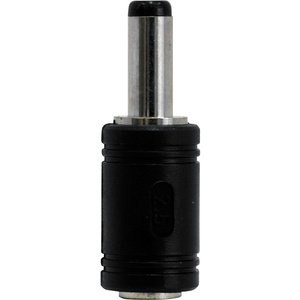
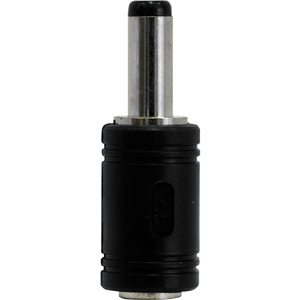
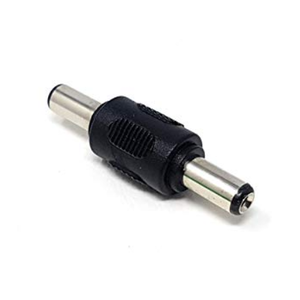
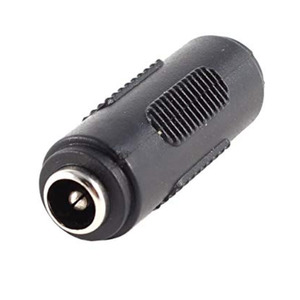
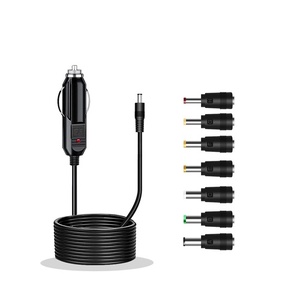
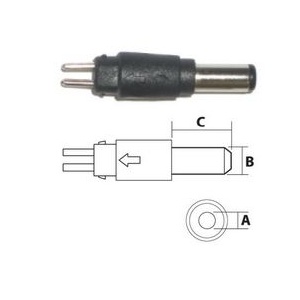
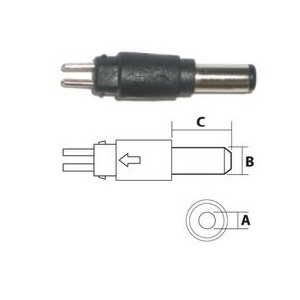
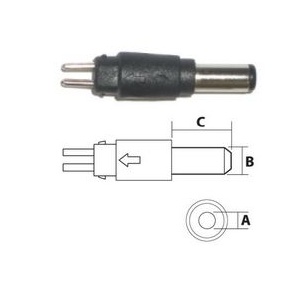
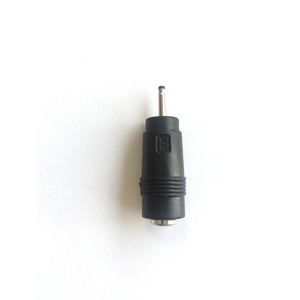
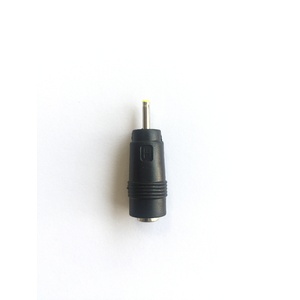
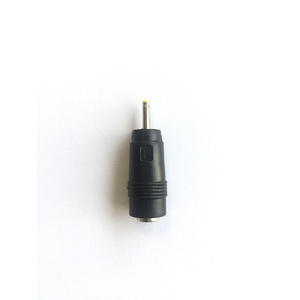
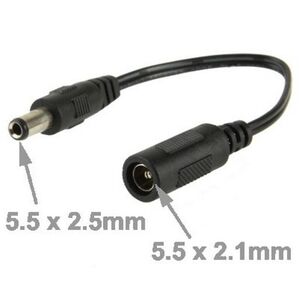
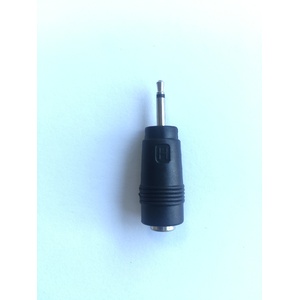
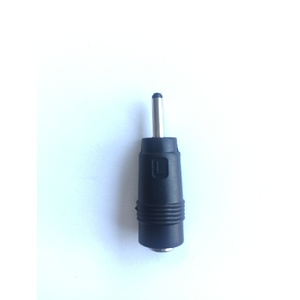
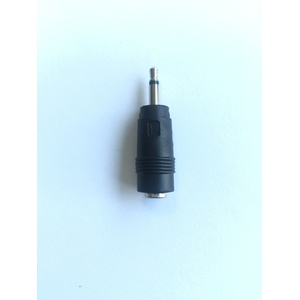
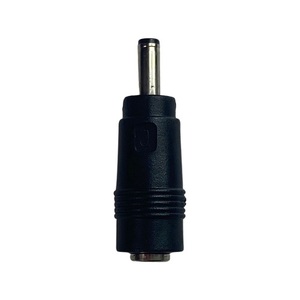
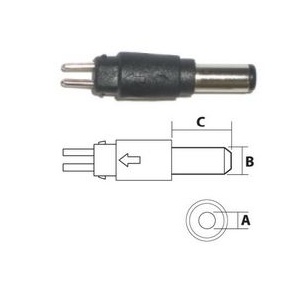
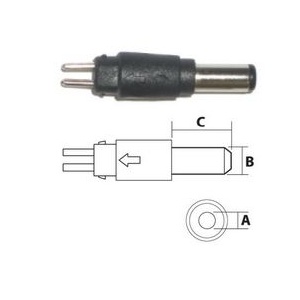
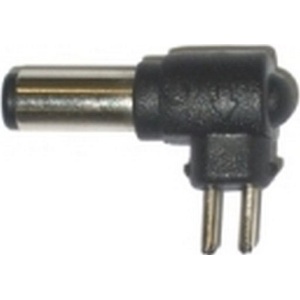
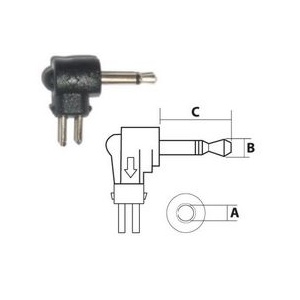
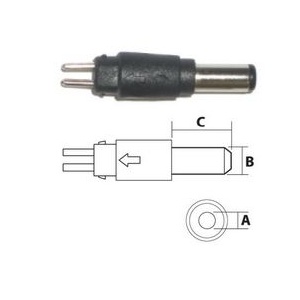
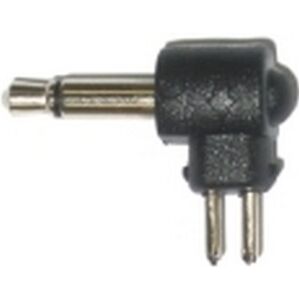
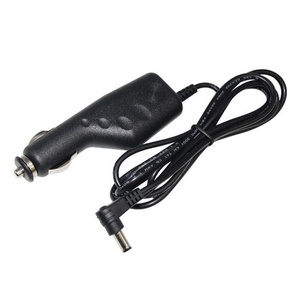
DC Plug Adapters & DC Power Connectors
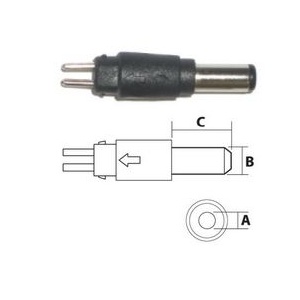
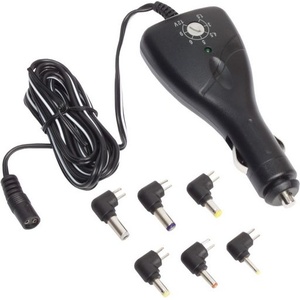
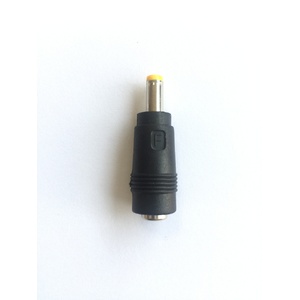
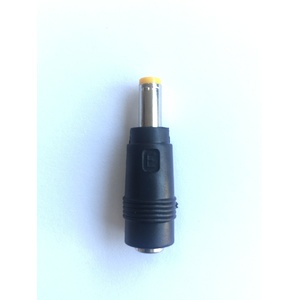
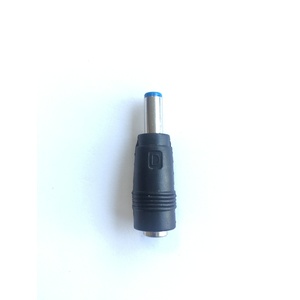
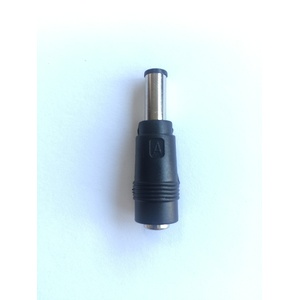
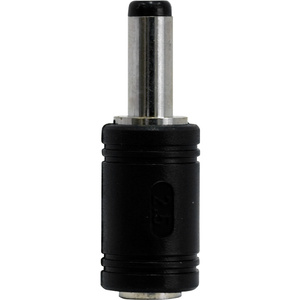
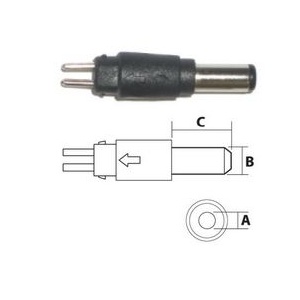
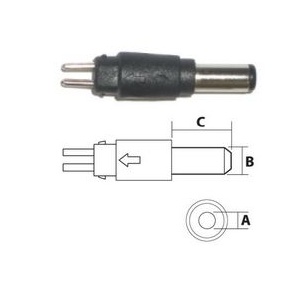
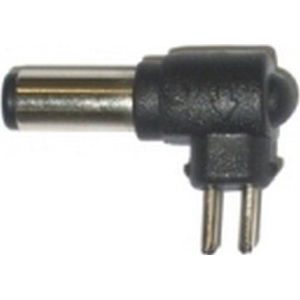
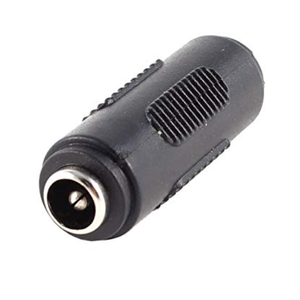
Shop DC plug adapters, DC barrel plug adapters and power connectors for compatible low-voltage DC equipment and installations. Our range includes socket-to-plug adapters, plug-to-plug joiners, reversible DC plugs and right-angle DC connectors in a variety of common sizes.
Choose from DC plug and socket configurations including 1.3mm, 1.5mm, 1.7mm, 2.1mm, 2.5mm, 3.1mm and 3.5mm options, along with adapters for other barrel dimensions. The range includes 2.1mm DC socket-to-plug adapters for converting to different DC plug sizes, as well as reversible plugs and right-angle designs for different connection requirements.
DC plug adapters can be useful when connecting compatible power supplies, DC cables and electronic equipment with different connector sizes. When selecting an adapter, check the plug diameter, inner pin diameter, connector type and required polarity, as well as the voltage and current requirements of the connected equipment.
Choose the appropriate DC plug adapter or connector for your application and always check the individual product specifications before connecting equipment.
How to Choose a DC Plug Adapter
Choosing the correct DC plug adapter requires more than matching the general appearance of the connector. Check the physical dimensions, electrical requirements and connection type before purchasing.
1. Identify the connector type
Determine whether you need a socket-to-plug adapter, plug-to-plug joiner, reversible plug, right-angle plug or another DC connector.
2. Check the DC plug dimensions
Measure or confirm the outer and inner diameter of the required barrel connector. Common sizes include 2.1mm and 2.5mm, but many other dimensions are available.
3. Check polarity
Confirm the required polarity of the power supply and equipment. A physically compatible connector may not be suitable if the polarity is incorrect.
4. Check voltage and current requirements
Make sure the adapter and connected equipment are suitable for the required DC voltage and current. The adapter should not be used outside its specified electrical ratings.
5. Consider the connector orientation
A right-angle DC plug can be useful where space around the equipment or power socket is limited.
6. Check plug and socket compatibility
Confirm that the adapter's plug dimensions match the socket on the equipment. Do not rely solely on the nominal connector size.
7. Check the product specifications
Always review the individual product specifications before connecting a DC plug adapter to electronic equipment.
FAQ
What Is a DC Plug Adapter?
A DC plug adapter is a connector designed to allow compatible DC power plugs and sockets with different connector configurations to be connected. DC plug adapters are commonly used to change the physical connector size or type without changing the output voltage of the power supply.
For example, a socket-to-plug adapter can convert a 5.5mm × 2.1mm DC socket to a different compatible plug size. The adapter itself does not normally regulate or convert voltage, so the power supply and connected equipment must still have compatible electrical requirements.
What Is a DC Barrel Plug?
A DC barrel plug is a cylindrical electrical connector commonly used to supply low-voltage DC power to electronic equipment. It has contacts on the inside and outside of the cylindrical barrel and is available in many different dimensions.
DC barrel plugs are commonly specified by their outer diameter and inner diameter, such as 5.5mm × 2.1mm or 5.5mm × 2.5mm. The plug must match the corresponding socket in size, mating dimensions and electrical requirements.
What Is a DC Socket-to-Plug Adapter?
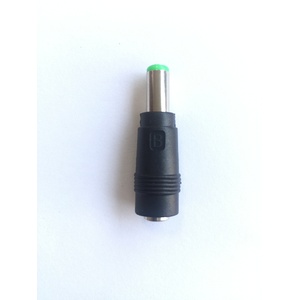
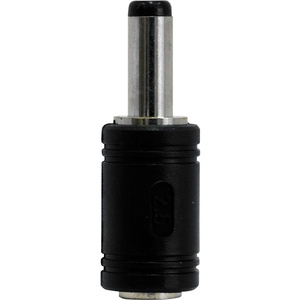
A DC socket-to-plug adapter is an adapter with a DC socket on one end and a DC plug on the other. It allows a compatible DC power connection to be changed from one connector configuration to another.
For example, a 5.5mm × 2.1mm DC socket-to-2.5mm plug adapter can allow a power source with a 2.1mm DC output connection to connect to equipment requiring a compatible 2.5mm DC plug.
Check the exact inner diameter, outer diameter, connector length and polarity before using an adapter.
What Are the Most Common DC Plug Sizes?
Common DC barrel plug sizes include 5.5mm × 2.1mm and 5.5mm × 2.5mm, but many other sizes are available, including smaller connectors used for compact electronic equipment.
The two measurements normally describe the outer diameter and inner diameter of the barrel. Because similar-looking plugs can have different internal dimensions, the connector size should be confirmed from the equipment or power-supply documentation rather than assumed from appearance.
What Is a 2.1mm DC Plug?
A 2.1mm DC plug generally refers to a barrel plug with a 2.1mm inner diameter. It is commonly available with a 5.5mm outer diameter, creating the frequently encountered 5.5mm × 2.1mm DC barrel connector.
The complete connector specification should still be checked because DC plugs are available in different outer diameters, lengths and configurations. A 2.1mm inner diameter alone does not identify every dimension of the connector.
What Is a 2.5mm DC Plug?
A 2.5mm DC plug generally refers to a barrel plug with a 2.5mm inner diameter. One common configuration is a 5.5mm × 2.5mm barrel connector.
A 2.5mm plug can look very similar to a 2.1mm plug, particularly when both have a 5.5mm outer diameter. The inner diameter therefore needs to be confirmed before selecting an adapter or replacement connector.
What Is the Difference Between a 2.1mm and 2.5mm DC Plug?
The main difference is the inner diameter of the barrel connector. A 2.1mm plug has a smaller internal diameter than a 2.5mm plug.
Both are commonly available with a 5.5mm outer diameter, which means they can look very similar. However, the difference in internal diameter means that a 2.1mm and 2.5mm connector should not be treated as interchangeable. The correct size must match the equipment's socket.
How Do I Measure a DC Barrel Plug?
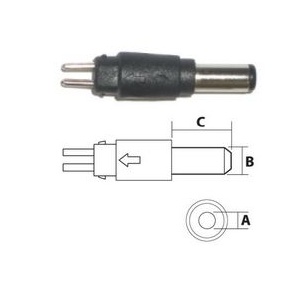
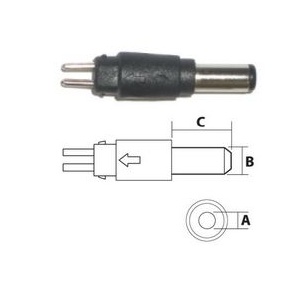
A DC barrel plug is normally identified by measuring its outer diameter, inner diameter and, where required, barrel length.
A digital caliper is the preferred tool for measuring the connector accurately. However, measurements alone can sometimes be difficult because of connector tolerances and the small difference between similar sizes such as 2.1mm and 2.5mm.
Where possible, check the equipment manufacturer's documentation or the original power-supply specifications. This is generally more reliable than estimating the connector size visually.
What Does 5.5mm × 2.1mm DC Plug Mean?
A 5.5mm × 2.1mm DC plug describes the approximate outer and inner diameters of the barrel connector.
In this example:
-
5.5mm = outer diameter
-
2.1mm = inner diameter
The complete connector specification may also include the barrel length, mating depth and electrical rating. Therefore, 5.5mm × 2.1mm should not automatically be assumed to describe every physical characteristic of the plug.
Are DC Plug Adapters Universal?
No. DC plug adapters are not universal.
Different adapters are designed for specific connector dimensions and configurations. A suitable adapter needs to match the plug and socket dimensions as well as the electrical requirements of the equipment.
Even when two connectors appear similar, differences in inner diameter, outer diameter, length or polarity can make them incompatible.
Can I Use a DC Plug Adapter With Any Power Supply?
No. A DC plug adapter should only be used when the power supply, adapter and equipment have compatible electrical and physical requirements.
Check the required DC voltage, current capability, connector dimensions and polarity before connecting the equipment. A passive plug adapter normally changes the physical connector rather than converting the power supply's voltage or current.
The power supply should provide the voltage required by the equipment, and the adapter should be suitable for the intended current and connector configuration.
What Is a Reversible DC Plug?
A reversible DC plug is a DC connector designed so that its configuration or contact arrangement can be changed or reversed according to the particular product design.
Reversible plugs can be useful when one connector needs to accommodate different compatible plug configurations or sizes. The exact operation varies between products, so always check the individual product specifications before use.
What Is a Right-Angle DC Plug?
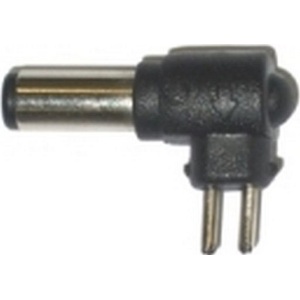
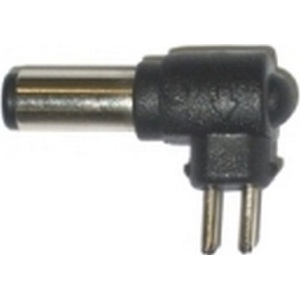
A right-angle DC plug is a barrel connector in which the cable or connector exits at approximately 90 degrees rather than extending straight out from the equipment.
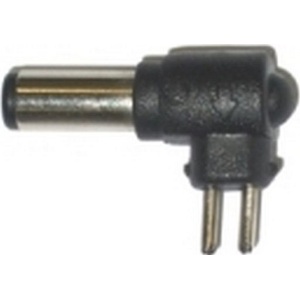
Right-angle DC plugs can be useful where there is limited clearance behind equipment or where a straight connector would protrude into the surrounding space. Different right-angle plugs are available in various barrel sizes, so the connector dimensions and orientation must be checked before purchasing.
How Do I Check DC Plug Polarity?
DC plug polarity identifies which contact is positive and which is negative. A common arrangement is centre positive, where the centre contact is positive and the outer sleeve is negative, although other configurations are possible.
Polarity should be checked using the symbol or electrical information printed on the power supply, equipment label or manufacturer's documentation. Do not assume that a physically compatible DC plug has the correct polarity.
Using an incorrect polarity can cause equipment malfunction or damage, so verify the polarity before connecting the power supply.
Can a DC Plug Adapter Change Voltage?
No. A standard passive DC plug adapter normally changes the physical connector configuration; it does not convert the voltage supplied by the power source.
For example, changing a 5.5mm × 2.1mm connector to a different compatible barrel size does not turn a 12V supply into a 9V or 5V supply. The connected equipment must still receive the voltage and current required by its specifications.
If voltage conversion is required, an appropriate DC-DC converter, regulator or correctly rated power supply must be used instead of a simple plug adapter.