-
Filter By Stock
- In Stock (6)
Filter By Brand
- Aus Electronics Direct (15)
Portable Jump Starters – 12V & 24V Lithium Jump Starters
Popular Products
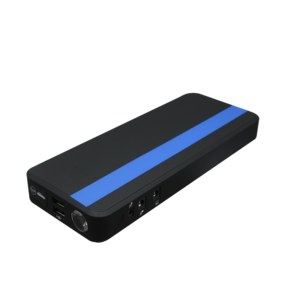
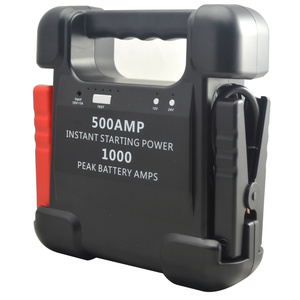
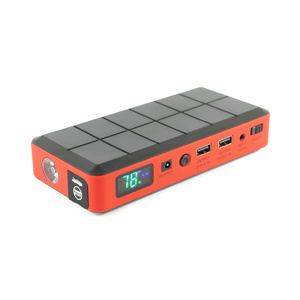
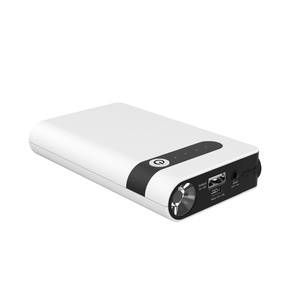
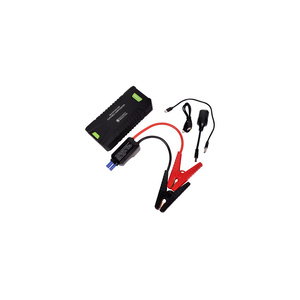
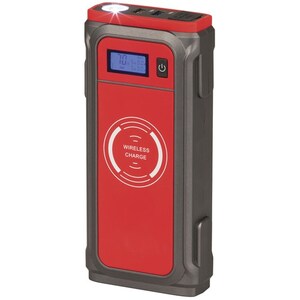
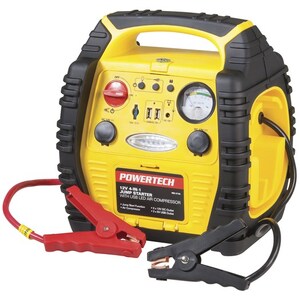
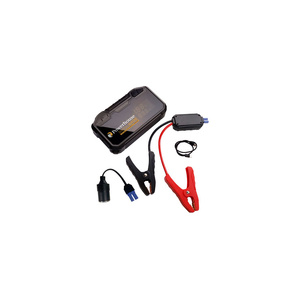
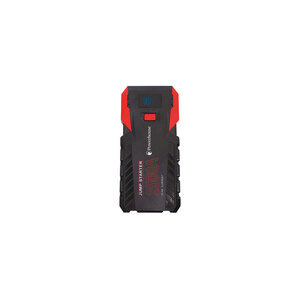
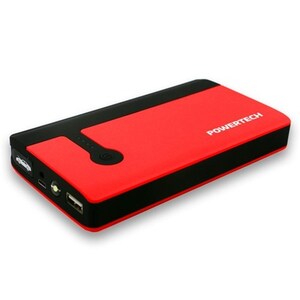
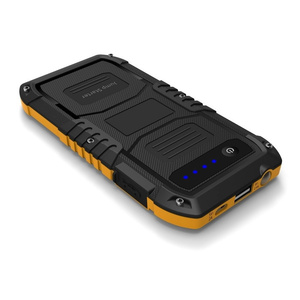
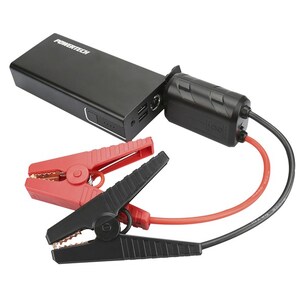
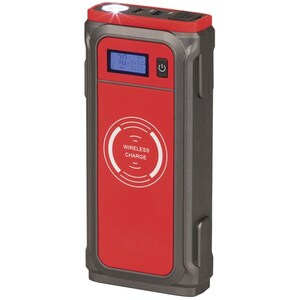
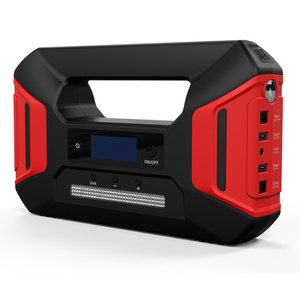
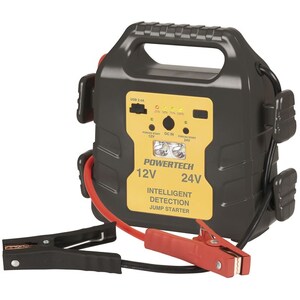
Portable Jump Starters for Cars, 4WDs, Trucks and Boats
Shop portable jump starters at Aus Electronics Direct. Our range includes compact lithium jump starters, LiFePO4 battery boosters, 12V and 24V jump starters, and multifunction emergency power packs for a variety of vehicles and applications.
A portable jump starter is a rechargeable battery pack designed to provide a high-current electrical supply to help start a vehicle with a flat or discharged starting battery. Unlike traditional jumper leads, a portable jump starter contains its own battery and can be stored in a vehicle for emergency use.
12V and 24V Portable Jump Starters
Choose a jump starter that matches your vehicle's electrical system and engine requirements. Many cars, motorcycles, 4WDs, utes, boats and personal watercraft use 12V starting systems. Larger commercial vehicles, trucks and buses may use 24V systems.
Some jump starters are designed for 12V vehicles only, while selected models support both 12V and 24V applications. Always confirm the supported voltage before connecting a jump starter to a vehicle.
Lithium and LiFePO4 Jump Starters
Lithium jump starters offer a compact and portable alternative to traditional bulky battery boosters. Their integrated rechargeable batteries can deliver high starting currents while providing convenient storage in a car, caravan, boat or workshop.
LiFePO4 (lithium iron phosphate) models are another option. When comparing jump starters, consider the battery chemistry, starting current, peak current, supported engine size and operating temperature specified by the manufacturer.
Multifunction Jump Starters and Power Banks
Some portable jump starters include additional features for roadside and outdoor use. Depending on the model, these may include USB charging ports, USB-C Power Delivery, LED work lights, wireless charging, 12V accessory outputs or a built-in air compressor for tyre inflation.
These additional functions can make a jump starter useful as an emergency power source when travelling, camping or working away from mains power.
How to Choose the Right Jump Starter
Before purchasing, check the following specifications:
-
Vehicle voltage: Match the jump starter to the vehicle's 12V or 24V starting system.
-
Starting current: Check the rated starting or cranking current against the vehicle manufacturer's requirements.
-
Peak current: Compare peak current figures, but do not use this figure alone to determine suitability.
-
Engine compatibility: Check the manufacturer's stated petrol and diesel engine capacity recommendations.
-
Battery chemistry: Compare lithium-ion and LiFePO4 models.
-
Additional functions: Consider USB charging, power-bank outputs, LED lighting and built-in tyre compressors if required.
-
Safety features: Look for specified reverse-polarity, short-circuit and overload protection.
Whether you need a compact car jump starter, a higher-capacity 4WD battery booster or a 12V/24V jump starter for a larger vehicle, compare the product specifications to find a model suited to your application.
Always follow the manufacturer's instructions when connecting, operating, charging and storing a jump starter. A portable jump starter is an emergency starting aid, not a replacement for diagnosing or repairing a faulty vehicle battery or charging system.
FAQ
1. What is a portable jump starter?
A portable jump starter is a rechargeable battery pack that supplies high-current power to help start a vehicle when its starting battery is flat or discharged. It usually connects to the vehicle battery using supplied jumper clamps and can be stored in the vehicle for emergency use.
2. How does a lithium jump starter work?
A lithium jump starter stores electrical energy in an internal rechargeable battery. When connected correctly to a vehicle's starting battery, it supplies a high current to help crank the engine. The internal battery must be charged and the unit must be suitable for the vehicle.
3. What size jump starter do I need for my car?
Choose a jump starter based on the vehicle's voltage, engine size, fuel type and the manufacturer's recommended starting current. Larger petrol and diesel engines generally require a jump starter with greater starting capability. Check the product's stated engine compatibility rather than relying on peak amps alone.
4. What is the difference between a 12V and 24V jump starter?
A 12V jump starter is designed for vehicles with a nominal 12V starting system, commonly found in cars, motorcycles and many 4WDs. A 24V jump starter is intended for compatible 24V vehicles, including some trucks and buses. Some models support both voltages, but this must be confirmed in their specifications.
5. Can a portable jump starter start a diesel engine?
Yes, some portable jump starters are designed for diesel engines. Diesel engines can require substantial cranking current, so check the manufacturer's stated diesel engine capacity and starting-current specifications before purchasing.
6. What is a LiFePO4 jump starter?
A LiFePO4 jump starter uses a lithium iron phosphate battery. This is a type of lithium battery chemistry used in some portable jump starters. Compare the model's capacity, starting current, operating temperature and safety specifications when choosing one.
7. How many amps should a jump starter have?
The required current depends on the vehicle and the jump starter's design. Compare the starting or cranking current and peak current separately, along with the manufacturer's recommended engine size. A higher advertised peak-current figure does not automatically mean a unit is suitable for every vehicle.
8. Can a jump starter charge a car battery?
A jump starter is primarily designed to provide temporary power to help start a vehicle. Some models have additional charging outputs for USB devices, but this does not mean they can recharge a vehicle's 12V starting battery like a dedicated battery charger.
9. How long does a portable jump starter hold its charge?
This depends on the battery chemistry, capacity, storage temperature, age and internal standby consumption. Follow the manufacturer's recommendations for checking the charge level and periodically recharging the unit, even when it is not being used.
10. Can I use a jump starter as a power bank?
Some jump starters include USB-A or USB-C outputs that allow them to charge phones, tablets and other compatible devices. Certain models also provide a 12V accessory output. Check the output voltage, current and power ratings for the individual model.
11. Can a jump starter inflate car tyres?
Some multifunction jump starters include a built-in air compressor and tyre inflator. Other models do not. Check the product description for compressor specifications, maximum pressure and included accessories.
12. Are lithium jump starters better than traditional jump starters?
Lithium models are generally more compact and lighter than many traditional lead-acid jump starters. Traditional units may offer different capacity and output characteristics. The best choice depends on portability, vehicle requirements, battery chemistry and intended use.
13. Can I leave a jump starter in my car?
Follow the manufacturer's storage temperature and maintenance instructions. Vehicle interiors can become very hot or cold, which may affect battery performance and service life. Avoid storing a unit outside its specified temperature range, and inspect it regularly for damage or swelling.
14. What safety features should I look for in a jump starter?
Look for clearly specified protections such as reverse-polarity protection, short-circuit protection, over-current protection and over-temperature protection. Always connect the clamps in the sequence described in the product manual and never attempt to jump-start a damaged or leaking battery.