-
Filter By Stock
- In Stock (17)
Filter By Brand
- Aus Electronics Direct (41)
Power Banks
Popular Products
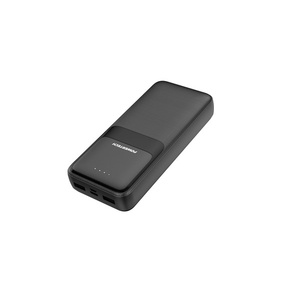
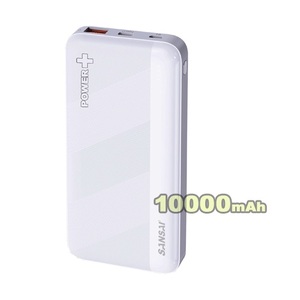
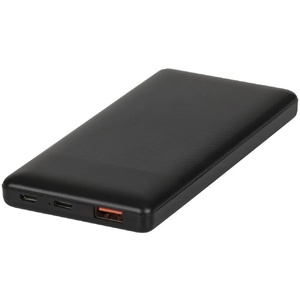
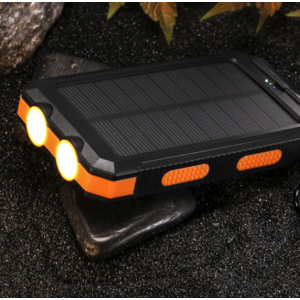
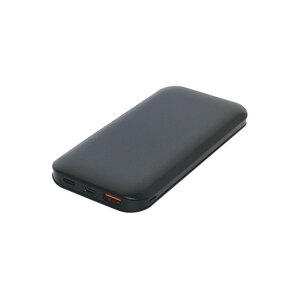
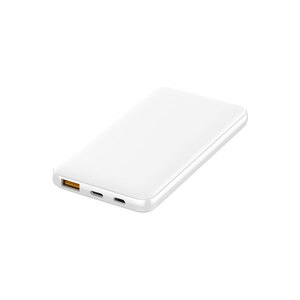
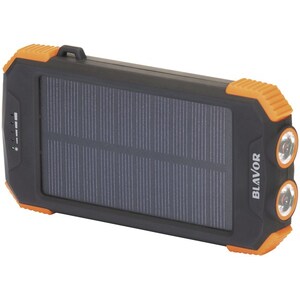
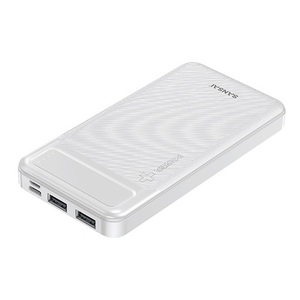
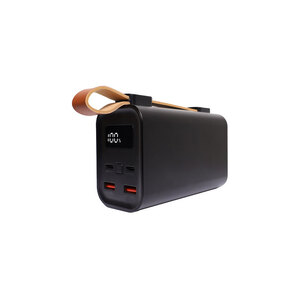
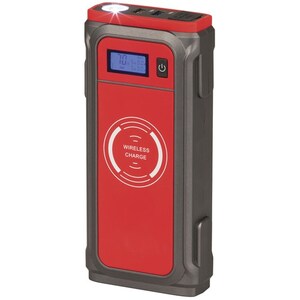
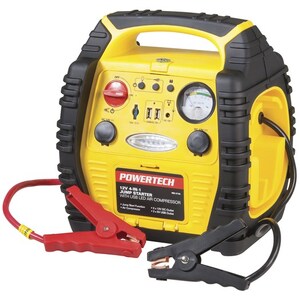
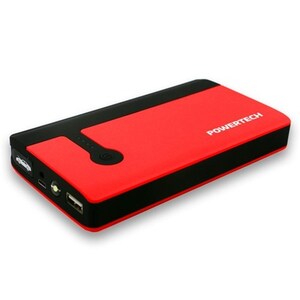
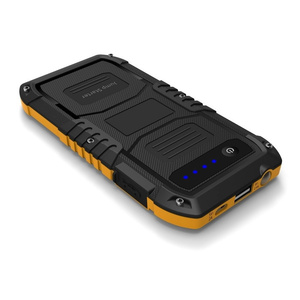
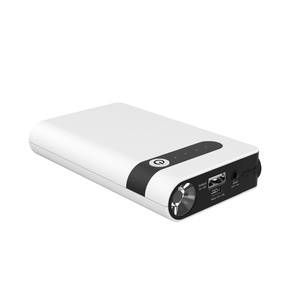
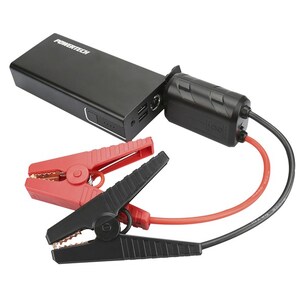
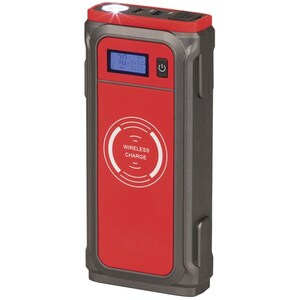
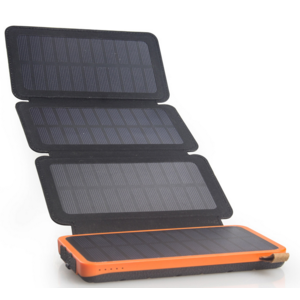
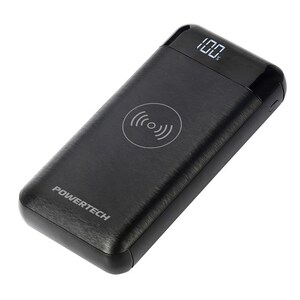
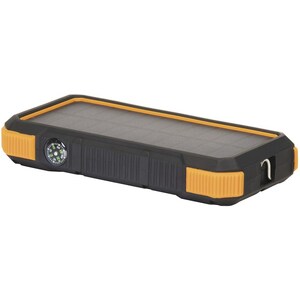
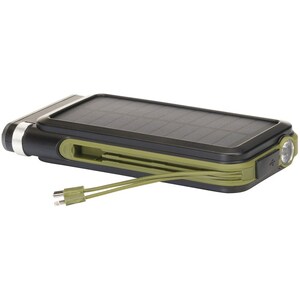
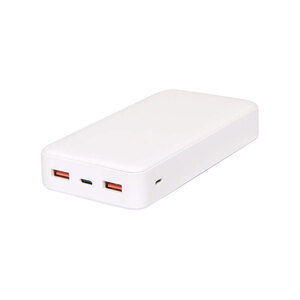
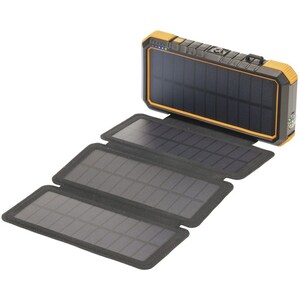
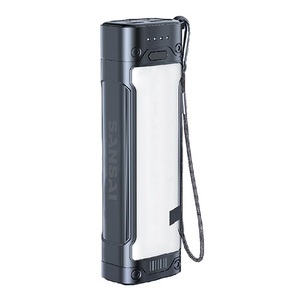
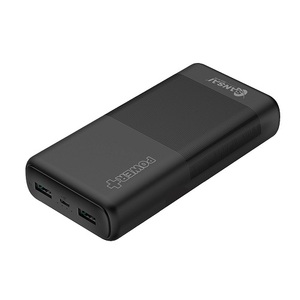
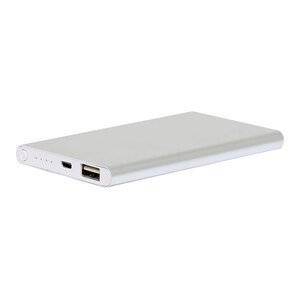
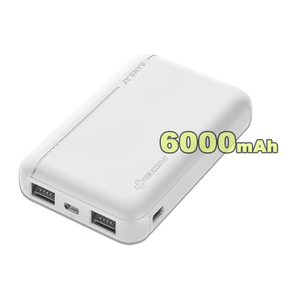
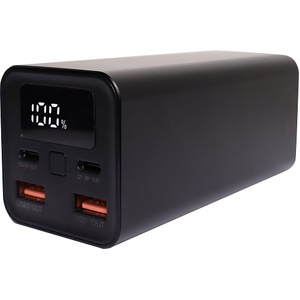
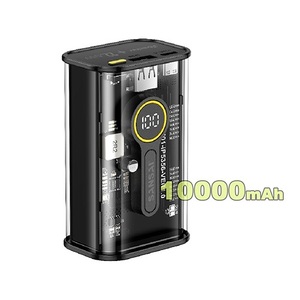
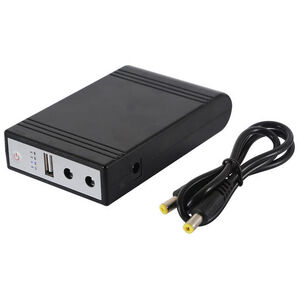
Power Banks for Phones, Tablets and Portable Devices
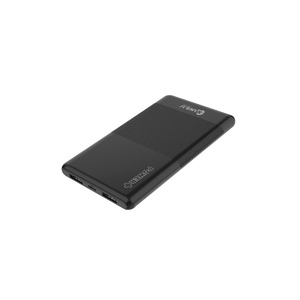
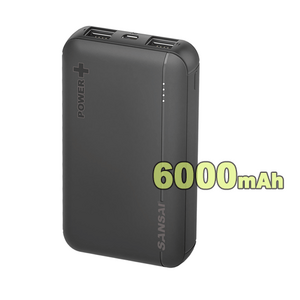
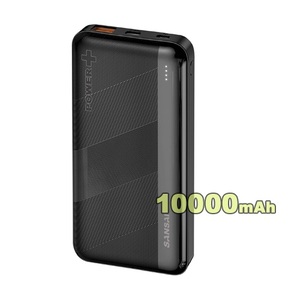
Stay connected wherever you go with a portable power bank from Aus Electronics Direct. Our range includes compact power banks for everyday charging, high-capacity models for travel and outdoor use, and fast-charging options for compatible smartphones, tablets and other USB-powered devices.
Choose from a variety of capacities, including 5,000mAh, 6,000mAh, 10,000mAh, 20,000mAh and 25,000mAh power banks. Depending on the model, features may include USB-A and USB-C charging ports, USB-C Power Delivery (PD), multiple device outputs, built-in charging cables and battery level indicators.
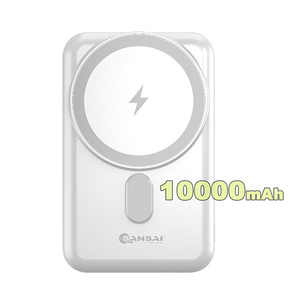
For added convenience, explore wireless and MagSafe-compatible power banks, as well as solar power banks designed for camping and outdoor activities. Selected models also offer higher-power USB-C outputs suitable for charging compatible laptops and other demanding devices.
When choosing a power bank, consider its capacity, charging speed, output wattage, available ports and compatibility with your devices. Check the individual product specifications to confirm supported charging standards and power requirements before purchasing.
Types of Power Banks
Power banks are available in a range of designs and capacities to suit different charging needs. Whether you need a compact portable charger for everyday use or a high-capacity power bank for travel, there are several options to consider.
Common types of power banks include:
-
Standard USB Power Banks: Portable rechargeable batteries with USB-A or USB-C outputs for charging smartphones, tablets and other compatible devices.
-
USB-C PD Power Banks: Designed to deliver higher charging power to compatible devices using USB-C Power Delivery technology.
-
High-Capacity Power Banks: Larger battery packs designed to provide additional charging capacity for extended trips or multiple devices.
-
Wireless Power Banks: Allow compatible smartphones and other devices to charge without connecting a charging cable.
-
Solar Power Banks: Include solar panels that can provide supplementary charging when outdoors or away from mains electricity.
-
Laptop Power Banks: Higher-output models designed to charge compatible laptops, tablets and other devices requiring more power.
-
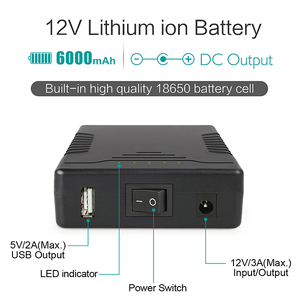
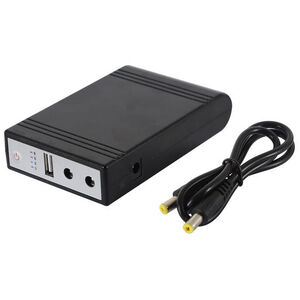
Mini UPS Power Banks: Provide backup power for compatible low-voltage equipment during interruptions to the mains supply.
When selecting a power bank, consider the devices you need to charge, the required battery capacity and the charging features supported by the model.
How to Choose the Right Power Bank
Choosing the right power bank depends on your charging requirements, preferred size and the devices you plan to use it with. A compact model may be ideal for everyday smartphone charging, while a larger power bank may be more suitable for travel, tablets or laptops.
Consider these important factors before purchasing:
Battery Capacity
Power bank capacity is generally measured in milliamp-hours (mAh). Higher-capacity models can store more energy, although their actual usable output is affected by voltage conversion and charging efficiency.
Charging Speed
Check the maximum output wattage and supported charging standards. USB-C Power Delivery (PD) and other fast-charging technologies can provide faster charging when supported by both the power bank and connected device.
Charging Ports
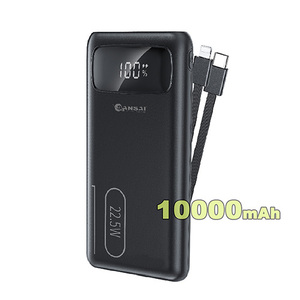
Consider whether you need USB-A, USB-C or multiple output ports. Some power banks also include built-in charging cables or wireless charging features.
Size and Portability
Smaller power banks are generally easier to carry in a pocket or bag. Higher-capacity models often provide more stored energy but can be larger and heavier.
Device Compatibility
Make sure the power bank supports the voltage, current, connector and charging requirements of your smartphone, tablet, laptop or other electronic equipment.
Additional Features
Depending on the model, useful features may include battery level displays, pass-through charging, built-in cables, wireless charging, integrated LED lights and multiple-device charging.
Power Bank Capacity: 5000mAh, 10000mAh and 20000mAh
Power bank capacity determines how much energy the internal battery can store. It is usually expressed in milliamp-hours (mAh), with common options including 5000mAh, 10000mAh and 20000mAh.
5000mAh Power Banks
A 5000mAh power bank is a compact option for everyday use. Its smaller size makes it convenient to carry in a pocket, handbag or backpack. It is suitable for occasional smartphone charging and emergency top-ups when access to a power outlet is limited.
10000mAh Power Banks
A 10000mAh power bank offers a balance between capacity and portability. It is a popular choice for charging smartphones and smaller USB devices throughout the day, making it useful for commuting, work and short trips.
20000mAh Power Banks
A 20000mAh power bank provides greater stored energy for extended travel and charging multiple devices. Depending on its output specifications, it may also support tablets and other compatible electronics.
Choosing the Right Capacity
The best capacity depends on your usage requirements. Consider how often you need to recharge your devices, how many devices you carry and whether portability or additional battery capacity is more important.
Remember that the usable energy delivered to a device is lower than the power bank's rated battery capacity because of voltage conversion, heat and other energy losses.
USB-C and Fast-Charging Power Banks
USB-C power banks provide convenient charging for modern electronic devices. Many models support USB-C Power Delivery (PD), a charging standard that can deliver higher power levels to compatible smartphones, tablets and laptops.
Fast-charging power banks are available with different output ratings. The correct option depends on the power requirements of your connected device.
USB-C Power Delivery
USB-C PD allows compatible devices and chargers to negotiate suitable charging voltage and current. This can provide faster charging than standard USB charging when both devices support the same charging capabilities.
Fast-Charging Specifications
When comparing fast-charging power banks, check:
-
Maximum USB-C output wattage.
-
Supported USB-C PD profiles.
-
USB-A output specifications, where available.
-
Number of devices that can be charged simultaneously.
-
Total combined output when multiple ports are used.
Choosing a Fast-Charging Power Bank
For the best results, select a power bank with output specifications that match your device. A high-wattage power bank does not automatically make every device charge faster. The connected device must support the charging standard and power level.
High-Capacity and Laptop Power Banks
High-capacity power banks are designed for users who need additional portable charging capacity. They are useful for travel, outdoor activities, extended workdays and situations where access to mains electricity is limited.
Some high-capacity power banks also provide USB-C Power Delivery outputs suitable for charging compatible laptops.
Laptop-Compatible Power Banks
Laptop charging requires more power than charging most smartphones. When selecting a laptop power bank, check the laptop's required input voltage and wattage, as well as the power bank's maximum USB-C output.
Important specifications include:
-
USB-C Power Delivery support.
-
Maximum output wattage.
-
Supported output voltage profiles.
-
Battery capacity in mAh and watt-hours (Wh).
-
USB-C cable power rating.
-
Compatibility with the laptop manufacturer's charging requirements.
Benefits of High-Capacity Power Banks
A higher-capacity model can provide more stored energy for charging multiple devices or supporting longer periods away from a power outlet. However, larger models can be heavier and may be subject to additional airline restrictions.
Always check the product specifications and applicable travel requirements before taking a high-capacity power bank on a flight.
Solar and Wireless Power Banks
Solar and wireless power banks provide additional charging options for users who want convenience when travelling, camping or spending time outdoors.
Solar Power Banks
Solar power banks incorporate solar panels that can convert sunlight into electrical energy. They are designed to provide supplementary charging when mains electricity is unavailable.
They can be useful for camping, hiking and outdoor activities. However, the charging speed depends on sunlight intensity, panel size and environmental conditions. Small integrated solar panels may recharge a power bank slowly, so it is generally best to charge the battery fully before leaving home.
Wireless Power Banks
Wireless power banks allow compatible devices to charge without a physical charging cable. They use wireless charging technology to transfer energy to a compatible smartphone or other supported device.
Some models offer magnetic alignment for compatible smartphones and accessories. Check the product specifications to confirm wireless charging compatibility, supported charging speeds and any device requirements.
Choosing Between Solar and Wireless Models
A solar power bank may be useful when supplementary outdoor charging is important, while a wireless power bank offers convenient cable-free charging. Consider your intended use and the charging features supported by your devices.
Power Bank Compatibility and Charging Specifications
Checking compatibility is important when choosing a power bank. Different electronic devices have different charging requirements, and the connector type alone does not guarantee that a power bank will provide the correct charging speed or output.
Voltage, Current and Wattage
Power bank output is commonly specified using voltage (V), current (A) and power (W). Wattage is calculated by multiplying voltage by current.
For example, a USB output rated at 5V and 2A provides a maximum output of 10W. Higher-power USB-C PD models may support different voltage and current combinations for compatible devices.
USB-A and USB-C Connections
USB-A is a common connector used by many older and existing electronic devices. USB-C is a reversible connector used by many modern smartphones, tablets and laptops.
USB-C does not automatically mean fast charging or laptop compatibility. Check the supported charging protocols and output specifications of the power bank.
Battery Capacity and Watt-Hours
Power bank capacity is commonly advertised in mAh, but watt-hours (Wh) provide a useful measure of stored energy across different battery voltages.
When comparing products, consider both capacity and output power rather than relying on the mAh rating alone.
Charging Multiple Devices
Some power banks have multiple output ports that allow several devices to charge at the same time. The available power may be shared between ports, so check the maximum total output and individual port ratings.
Safe Charging and Battery Care
Use a compatible charging cable and power adaptor, and follow the manufacturer's charging instructions. Avoid using damaged power banks or cables, and keep lithium battery products away from excessive heat, moisture and physical damage.
For air travel, check the power bank's watt-hour rating and the current airline and aviation authority requirements before departure.
FAQ
Frequently Asked Questions About Power Banks
1. What is a power bank?
A power bank is a portable rechargeable battery that stores electrical energy and allows you to charge compatible devices when a wall power outlet is unavailable. Most models provide USB-A or USB-C outputs for charging smartphones, tablets, cameras and other portable electronics.
2. What size power bank should I buy?
The right capacity depends on your devices and how often you need to recharge them. A 5,000mAh or 6,000mAh power bank may suit occasional top-ups, while 10,000mAh models offer a balance of portability and capacity. A 20,000mAh or larger power bank may be more suitable for extended travel or charging multiple devices. Actual charging capacity will be lower than the stated battery capacity due to voltage conversion and energy losses.
3. Is a 10,000mAh power bank enough?
A 10,000mAh power bank is a popular everyday option for charging compatible smartphones and smaller USB devices. The number of charges you can get depends on your device's battery capacity, charging efficiency and the power bank's usable energy.
4. What is the difference between a 10,000mAh and 20,000mAh power bank?
A 20,000mAh power bank has approximately twice the rated battery capacity of a 10,000mAh model. It can generally store more energy, but is often larger and heavier. Consider portability, charging requirements and how many devices you need to power.
5. What is a USB-C PD power bank?
A USB-C Power Delivery (PD) power bank supports a charging standard that can provide higher power levels to compatible devices. Depending on its specifications, it may charge compatible smartphones, tablets and laptops. Check both the power bank's output wattage and your device's charging requirements.
6. Can a power bank charge a laptop?
Some power banks can charge laptops if they support USB-C Power Delivery and provide sufficient output wattage for the laptop. Check the laptop's required charging voltage and wattage, as well as the power bank's maximum USB-C output, before purchasing.
7. Are solar power banks suitable for camping?
Solar power banks can be useful for outdoor activities because they include solar panels that can provide supplementary charging. Charging from a small built-in solar panel can be slow and depends on sunlight and panel size, so it is best to fully charge the power bank before leaving.
8. Can a power bank charge multiple devices at once?
Some power banks include multiple output ports, allowing you to charge more than one device simultaneously. However, the available power may be shared between connected devices. Check the product specifications for total output and individual port limits.
9. What is the difference between a wireless and a standard power bank?
A standard power bank charges devices through a cable connected to a USB output. A wireless power bank can charge compatible devices without a cable by using wireless charging technology. Wireless charging requires device compatibility and may be slower than wired charging.
10. How long does it take to recharge a power bank?
Recharge time depends on the power bank's capacity, input specifications, charging cable and power adaptor. Larger-capacity models generally take longer to recharge. A power bank with USB-C PD input may recharge faster when paired with a compatible charger that supplies the supported input power.
11. Can I take a power bank on an aeroplane?
Power banks are generally subject to airline and aviation rules for spare lithium batteries. Restrictions commonly depend on the power bank's watt-hour (Wh) rating, and power banks must generally be carried in cabin baggage rather than checked baggage. Check the current requirements of your airline and departure authority before travelling.
12. How do I know if a power bank is compatible with my device?
Check the power bank's output voltage, current, wattage, connector type and supported charging standards against your device's requirements. USB-C connectors alone do not guarantee that every fast-charging feature or power level is supported.