-
Filter By Stock
- In Stock (15)
Filter By Brand
- Aus Electronics Direct (27)
Solar Panels – 12V, Portable & Folding Solar Panels
Popular Products
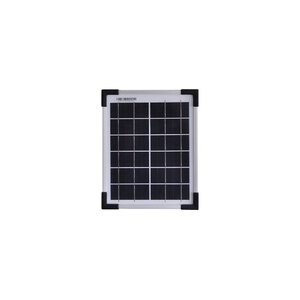
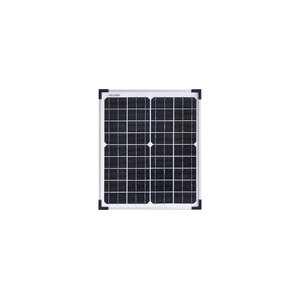
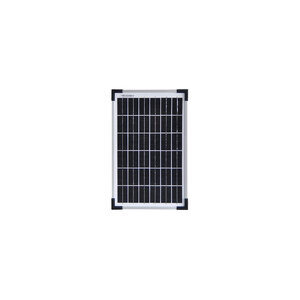
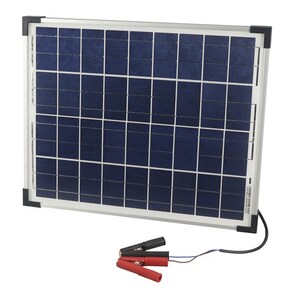
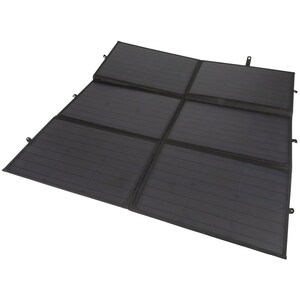
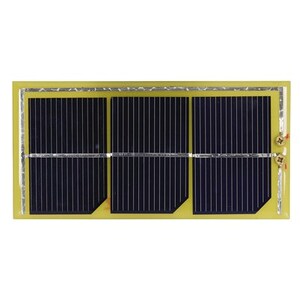
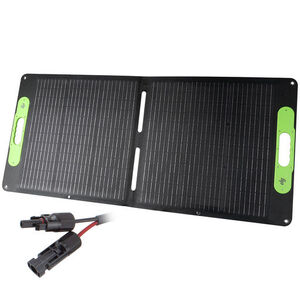
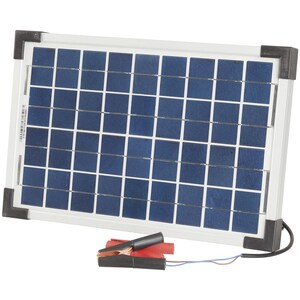
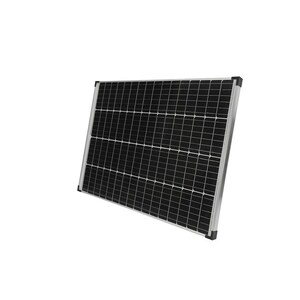
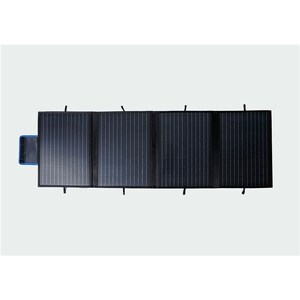
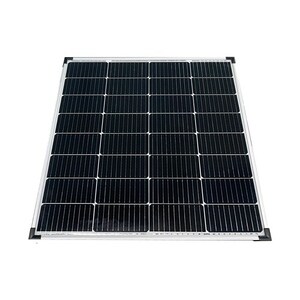
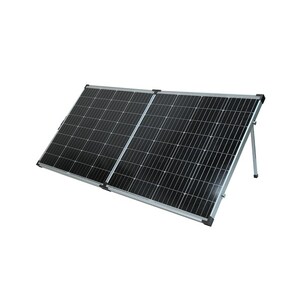
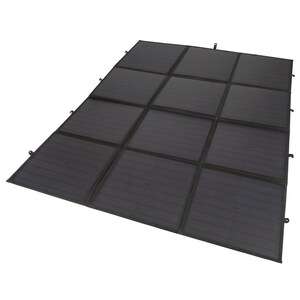
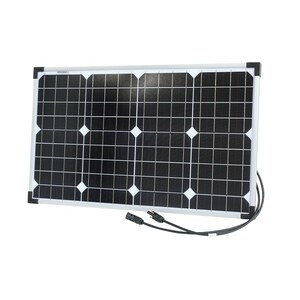
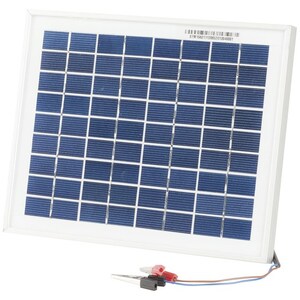
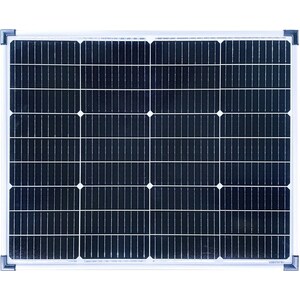
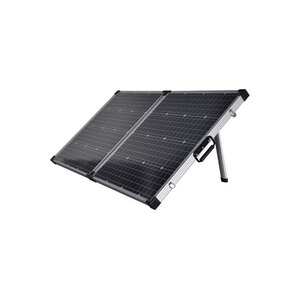
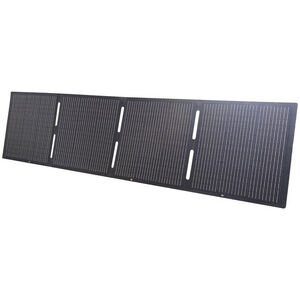
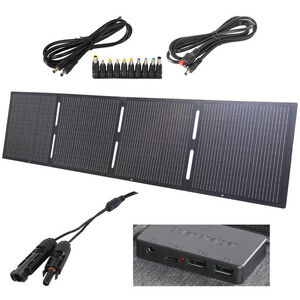
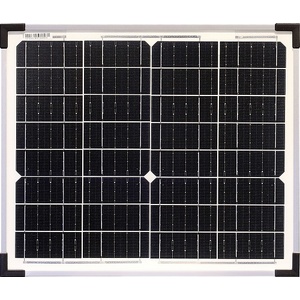
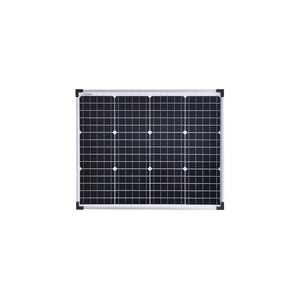
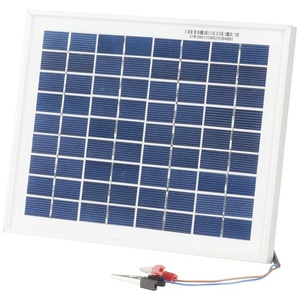
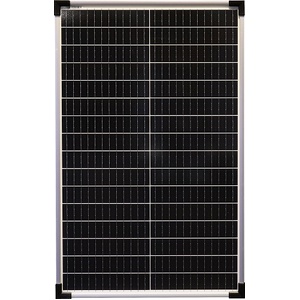
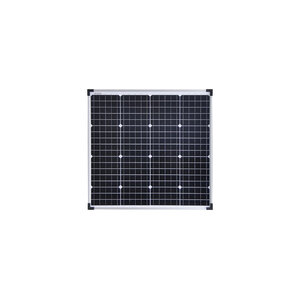
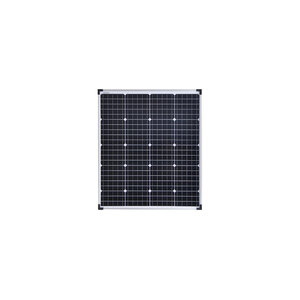
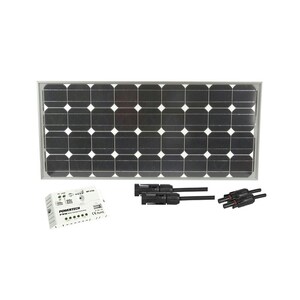
Solar Panels – 12V, Portable & Folding Solar Panels
Explore our range of solar panels at Aus Electronics Direct, with options for camping, caravanning, battery charging, off-grid power systems and electronics projects. Whether you need a compact solar panel for a small electronic application or a higher-output portable solar panel for your next outdoor adventure, we offer a variety of solar solutions to suit different power requirements.
Our solar panel range includes 12V monocrystalline solar panels, polycrystalline solar panels, folding solar panels, portable solar panel blankets and solar battery charging panels. Available in a variety of wattages, these panels provide practical options for charging batteries and supplying power to compatible equipment in locations where mains electricity may not be readily available.
Types of Solar Panels Available
-
Monocrystalline Solar Panels: Efficient solar panels suitable for battery charging, caravans, recreational vehicles and off-grid power applications.
-
Polycrystalline Solar Panels: Practical solar modules for smaller solar installations, electronics projects and general battery charging applications.
-
Folding Solar Panels: Portable solar panels designed for convenient transport and use during camping, caravanning and outdoor activities.
-
Solar Panel Blankets: Flexible and portable solar charging solutions available in different power outputs.
-
Small Solar Panels: Compact solar modules suitable for hobby projects, educational applications, remote sensors and low-power electronics.
Choosing the Right Solar Panel
When selecting a solar panel, consider its maximum power output (watts), operating voltage, current rating, physical dimensions and intended application.
Smaller solar panels may be suitable for maintaining batteries or powering low-consumption electronics, while higher-wattage solar panels can provide greater charging capacity when connected to an appropriately sized battery and solar charge controller.
For 12V battery charging applications, check the solar panel's operating voltage and ensure that a compatible solar charge controller is used where required. Also check connector types, cable requirements and battery compatibility before purchasing.
Shop solar panels online at Aus Electronics Direct for portable solar power, camping, caravanning, battery charging and electronics projects.
1. What is a solar panel and how does it work?
A solar panel is a device that converts sunlight into electrical energy using photovoltaic (PV) cells. When sunlight strikes these cells, it generates a flow of direct current (DC) electricity. This electricity can be used to power compatible electronic devices, charge batteries or supply energy to an off-grid electrical system.
Solar panels are available in different wattages, voltages and designs to suit various applications, including camping, caravanning, marine equipment, battery charging and renewable energy projects. Depending on the application, a solar charge controller, battery or inverter may also be required.
2. What is the difference between monocrystalline and polycrystalline solar panels?
The main difference between monocrystalline and polycrystalline solar panels is how their silicon photovoltaic cells are manufactured.
Monocrystalline solar panels use cells made from single-crystal silicon. They generally offer higher efficiency and better power output per unit of panel area, making them suitable for applications where available space is limited.
Polycrystalline solar panels use cells made from multiple silicon crystals. They are generally less efficient than comparable monocrystalline panels but can provide a practical and economical solution for various solar applications.
Both types convert sunlight into electricity and can be used for battery charging, electronics projects and off-grid power systems.
3. What is a 12V solar panel?
A 12V solar panel is a solar module designed primarily for use in 12V battery charging systems and other compatible DC applications.
These panels typically have a nominal 12V system designation, although their actual operating voltage is higher than 12V to allow effective battery charging. For example, a typical 12V nominal solar panel may have a maximum power voltage (Vmp) of approximately 18V.
A 12V solar panel can be used for caravans, camping equipment, boats, recreational vehicles and off-grid battery systems. A compatible solar charge controller is generally used to regulate the electricity supplied to the battery and prevent overcharging.
4. How many watts of solar panels do I need to charge a 12V battery?
The solar panel wattage required to charge a 12V battery depends on the battery's capacity (Ah), its state of charge, available sunlight and the amount of electricity being consumed.
As a general guide:
|
Solar panel wattage |
Typical application |
|---|---|
|
10W–20W |
Small batteries and maintenance charging |
|
40W–50W |
Smaller 12V battery charging applications |
|
80W–100W |
Camping and recreational battery charging |
|
150W–200W |
Larger batteries and higher energy requirements |
|
300W or more |
Larger off-grid systems |
For example, a 100W solar panel can produce approximately 5–6A of charging current under suitable operating conditions when used with an appropriate controller and 12V battery system.
Actual charging performance varies depending on sunlight, panel orientation, temperature, shading and system losses. Always check the battery manufacturer's recommended charging voltage and current.
5. What size solar panel do I need for camping?
The right solar panel size for camping depends on the electrical equipment you intend to operate and how much energy you use each day.
As a general guide:
-
20W–40W: Suitable for small, low-power applications and maintaining compatible batteries.
-
50W–100W: Suitable for smaller camping setups and charging portable 12V batteries.
-
120W–160W: Suitable for caravans and camping setups with moderate power requirements.
-
200W or more: Better suited to larger camping setups, higher energy consumption and multiple electrical devices.
If you plan to run refrigerators, lighting, fans or other electrical equipment, calculate their daily energy consumption before choosing a solar panel.
A portable folding solar panel or solar blanket can be particularly useful for camping because it can be positioned in direct sunlight while your vehicle or caravan remains parked in the shade.
6. What is the difference between a folding solar panel and a solar panel blanket?
Folding solar panels and solar panel blankets are both portable solar charging solutions, but they differ in construction, flexibility and portability.
Folding solar panels generally consist of multiple rigid or semi-rigid solar panel sections connected by hinges or flexible joints. They fold into a compact package for storage and transport and can often be positioned using built-in support stands.
Solar panel blankets typically use flexible or semi-flexible solar cells attached to a lightweight fabric backing. They can be rolled or folded for convenient storage and are designed for portable applications such as camping, caravanning and outdoor activities.
Both options can provide portable solar power for charging compatible batteries and equipment. The best choice depends on the required wattage, available storage space, weight and intended application.
7. Do I need a solar charge controller for my solar panel?
A solar charge controller is generally required when connecting a solar panel to a rechargeable battery system. It regulates the electricity flowing from the solar panel to the battery and helps prevent overcharging.
There are two common types of solar charge controllers:
-
PWM (Pulse Width Modulation): A basic and economical controller suitable for many smaller solar charging systems.
-
MPPT (Maximum Power Point Tracking): A more advanced controller that adjusts its operating conditions to extract more available power from the solar panel, particularly when panel and battery voltages differ.
The appropriate controller depends on the solar panel's voltage, current and wattage, as well as the battery chemistry and charging requirements.
Some portable solar panels include an integrated charge controller, while others require a separate controller.
8. Can I connect a solar panel directly to a battery?
Connecting a solar panel directly to a battery is generally not recommended unless the solar panel or charging system has suitable built-in voltage regulation and battery protection.
Solar panel output changes depending on sunlight intensity and operating conditions. Connecting an unregulated panel directly to a battery can result in excessive charging voltage or current, potentially damaging the battery.
A compatible solar charge controller should normally be installed between the solar panel and battery to regulate charging and protect the battery from overcharging.
Always check the solar panel specifications, battery charging requirements and controller compatibility before making connections. Follow the manufacturer's recommended wiring and connection sequence.
9. What is the difference between a 100W and 200W solar panel?
The main difference between a 100W and 200W solar panel is their maximum rated power output under standard test conditions.
A 100W solar panel can produce up to 100 watts under standard test conditions, while a 200W solar panel can produce up to 200 watts under the same conditions.
|
Feature |
100W solar panel |
200W solar panel |
|---|---|---|
|
Rated output |
100 watts |
200 watts |
|
Relative power capacity |
Lower |
Approximately double |
|
Typical application |
Smaller battery systems |
Larger battery systems |
|
Space requirement |
Generally smaller |
Generally larger |
|
Charging capability |
Lower |
Higher |
A 200W panel can potentially generate approximately twice the energy of a 100W panel under comparable conditions. However, actual output depends on sunlight, panel positioning, temperature and shading.
Choose the wattage that best matches your daily energy requirements, battery capacity and available installation space.
10. What are MC4 solar connectors?
MC4 solar connectors are widely used electrical connectors designed specifically for connecting solar panels and photovoltaic system cables.
They provide a secure, weather-resistant connection when correctly installed and are commonly used in portable solar panels, rooftop solar installations and off-grid solar systems.
MC4 connectors typically consist of male and female connector components that lock together to help prevent accidental disconnection.
When selecting MC4 solar connectors, check the cable size, connector current rating, voltage rating and compatibility with your solar panel. Ensure connectors are compatible with each other, as different manufacturers' connectors may not always be interchangeable, even when they look similar.
11. Can solar panels generate electricity on cloudy days?
Yes. Solar panels can still generate electricity on cloudy days because photovoltaic cells can convert diffuse sunlight into electrical energy.
However, electricity production is generally lower than on clear, sunny days because clouds reduce the amount of sunlight reaching the solar panel.
The actual output depends on cloud thickness, weather conditions, panel efficiency, orientation and shading.
For applications requiring a reliable electricity supply, consider selecting a solar panel with sufficient capacity and using an appropriately sized battery to store excess electricity generated during periods of stronger sunlight.
12. How do I choose the right solar panel for an off-grid system?
Choosing the right solar panel for an off-grid system involves considering your daily electricity consumption, battery capacity, available sunlight and charging requirements.
Here are the main factors to consider:
-
Calculate your energy requirements: Work out how many watt-hours (Wh) of electricity your appliances and equipment consume each day.
-
Choose the appropriate wattage: Select enough solar panel capacity to generate the energy required to recharge your battery and support your daily electricity usage.
-
Check system voltage: Ensure the solar panel is compatible with your battery bank and solar charge controller.
-
Select the right panel type: Monocrystalline panels are generally a good choice where space and efficiency are important, while polycrystalline panels can suit other applications.
-
Choose a suitable charge controller: Select a PWM or MPPT controller that supports the solar panel's electrical specifications and battery chemistry.
-
Consider battery storage: Choose a battery with sufficient capacity to supply electricity when sunlight is unavailable.
-
Allow for environmental conditions: Account for shading, cloudy weather, temperature and seasonal changes in solar energy production.
For camping, caravanning, marine applications and remote electronics projects, portable solar panels can provide a convenient off-grid charging solution.