
-
Filter By Stock
- In Stock (22)
EI Core Transformers
Popular Products
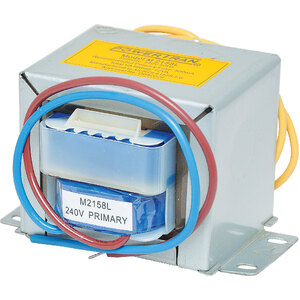
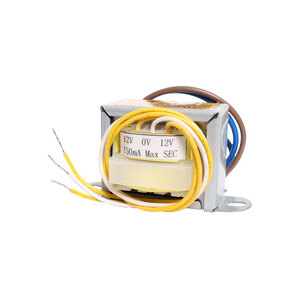
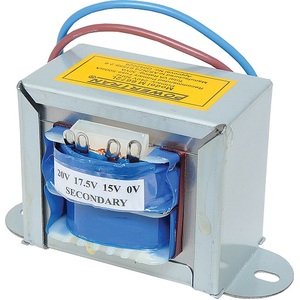
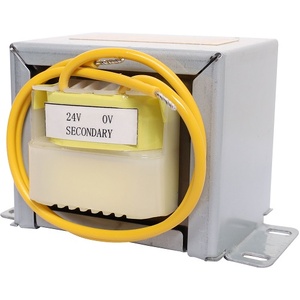
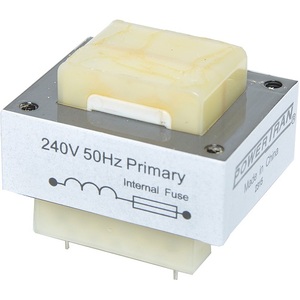
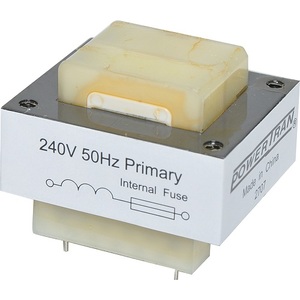
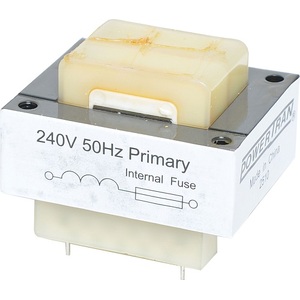
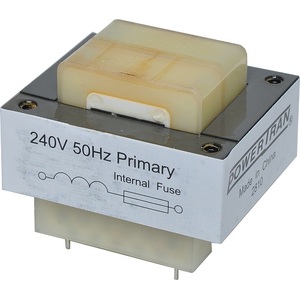
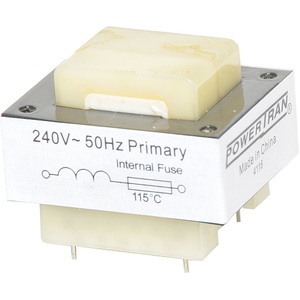
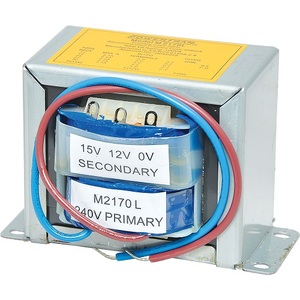
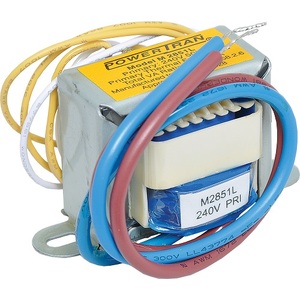
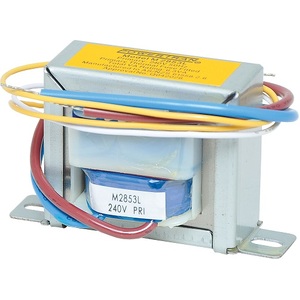
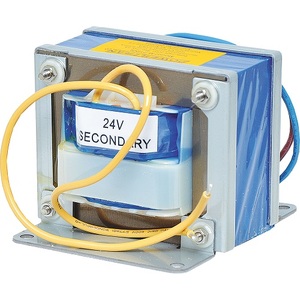
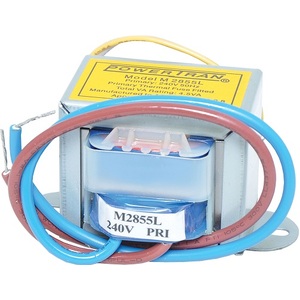
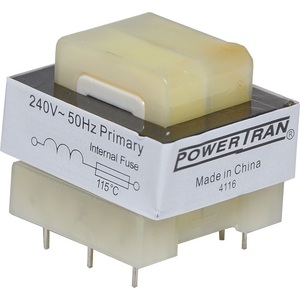
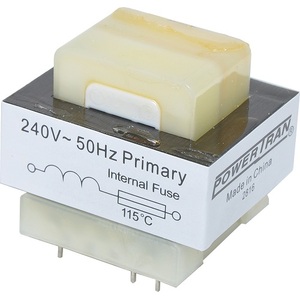
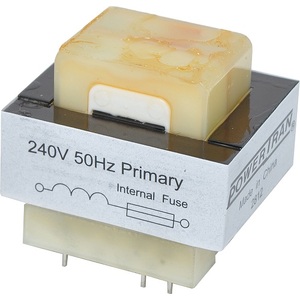
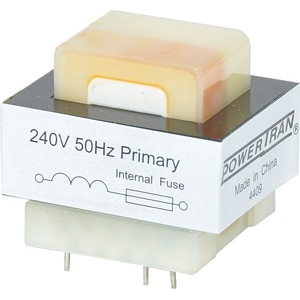
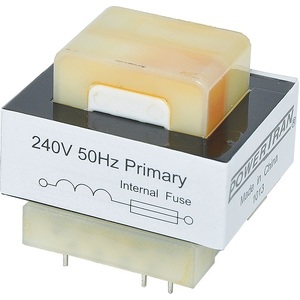
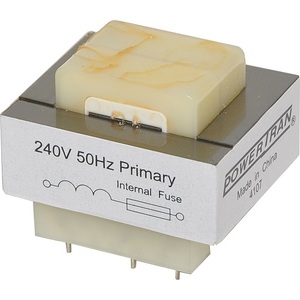
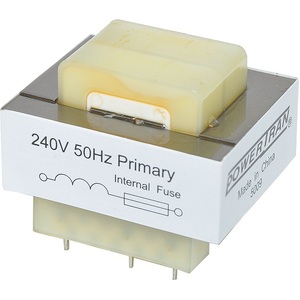
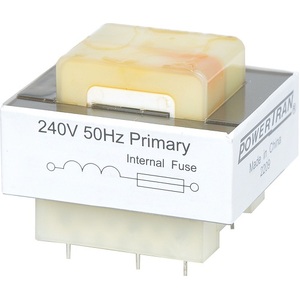
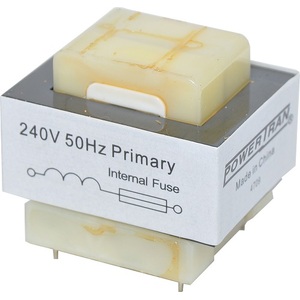
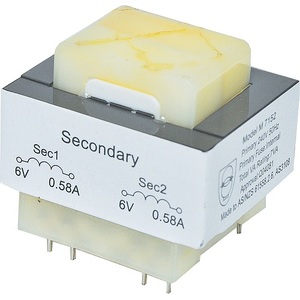
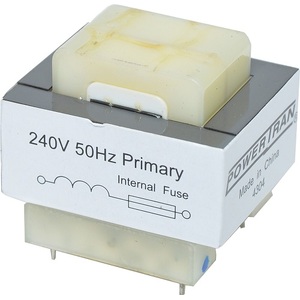
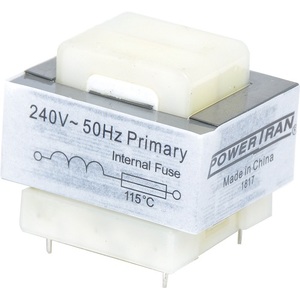
EI Core Transformers
EI Core Transformers
Shop EI core transformers at Aus Electronics Direct, with a range of AC transformers for electronic projects, power supply circuits, equipment repairs and other electrical applications. Choose from different input and output voltage configurations, current ratings and power capacities to suit your requirements.
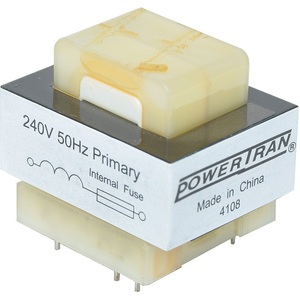
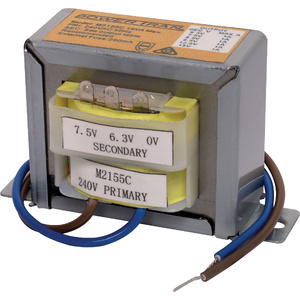
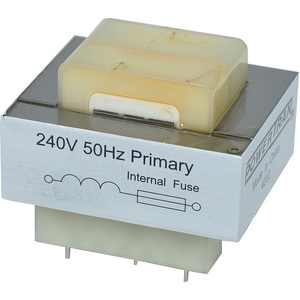
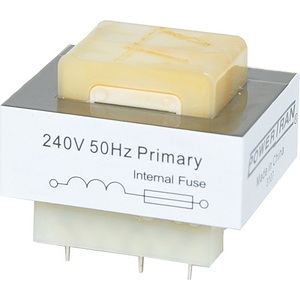
Our range includes 240V AC EI core transformers, low-voltage transformers, centre-tapped models and compact PCB-mount transformers. Available output configurations include options such as 6V, 7.5V, 9V, 12V, 12.6V, 15V and 24V, depending on the model.
How to Choose an EI Core Transformer
When selecting an EI core transformer, check the primary input voltage and secondary output voltage to ensure they match your circuit or equipment. You should also consider the transformer's current rating and VA capacity to make sure it can supply the required load.
A centre-tapped transformer provides a secondary winding with an accessible midpoint, which can be useful in circuit designs requiring split AC outputs. PCB-mount transformers are designed for suitable printed circuit board applications, while other models may use different mounting arrangements.
EI Core Transformer Applications
EI core transformers are commonly used in electronic power supply circuits, control equipment, audio electronics, instrumentation and equipment repair. The appropriate transformer depends on the required voltage, current, power rating, mounting arrangement and electrical design.
Before purchasing, compare each product's specifications and datasheet to confirm its suitability. Mains-powered transformer installation and wiring must be carried out in accordance with applicable Australian electrical safety requirements by a suitably licensed electrician where required.
FAQ
1. What is an EI core transformer?
An EI core transformer is an electrical transformer that uses a laminated iron or steel core made from E-shaped and I-shaped sections. It transfers electrical energy between primary and secondary windings through electromagnetic induction. EI core transformers are commonly used in power supplies, electronic equipment and control circuits.
2. What are EI core transformers used for?
EI core transformers are used in electronic power supplies, audio equipment, control circuits, instrumentation, electrical equipment and repair projects. They can provide a lower AC voltage for circuits that require a suitable transformer, rectifier and voltage regulation stage.
3. What is the difference between an EI core and a toroidal transformer?
An EI core transformer uses a laminated E-and-I-shaped core, while a toroidal transformer uses a ring-shaped core. EI core transformers are available in a variety of mounting and winding configurations. Toroidal transformers are often selected for their compact shape and low stray magnetic field. The best option depends on the application's electrical, mechanical and performance requirements.
4. How do I choose the correct EI core transformer?
Check the following specifications before choosing a transformer:
-
Input voltage: Confirm the primary winding is suitable for the available supply.
-
Output voltage: Match the secondary voltage to your circuit requirements.
-
Current rating: Ensure the transformer can supply the required current.
-
VA rating: Select a suitable power capacity for the intended load.
-
Winding configuration: Determine whether you need a single, dual or centre-tapped secondary.
-
Mounting: Check whether the transformer is designed for PCB mounting or another installation method.
5. What does 12V + 12V mean on a transformer?
A 12V + 12V transformer generally has two 12V secondary winding sections. Depending on the winding arrangement and connection, these can provide separate 12V AC outputs or a 24V AC output when connected in series. A centre connection may provide 12V-0V-12V. Always confirm the manufacturer's wiring diagram and specifications.
6. What is a centre-tapped EI core transformer?
A centre-tapped transformer has a connection at the midpoint of its secondary winding. This allows the secondary to provide two voltage sections relative to the centre tap. Centre-tapped transformers are often used in electronic power supply circuits and designs that require symmetrical AC outputs.
7. What does the VA rating mean on an EI core transformer?
VA stands for volt-amperes and represents the transformer's apparent power rating. It indicates the rated capacity of the transformer. To estimate the VA requirement for a simple single-phase load, multiply the secondary voltage by the required current. For example, a 12V AC output at 2A requires 24VA. Select a transformer with an appropriate rating and account for the requirements of the connected circuit.
8. Can an EI core transformer convert 240V AC to 12V AC?
Yes. A transformer designed for a 240V AC primary and 12V AC secondary can step down the supply voltage to approximately 12V AC under its specified operating conditions. Check the transformer's input voltage, output current and VA rating before use. A rectifier and regulator are generally required if the circuit needs a DC output.
9. What is a PCB-mount EI core transformer?
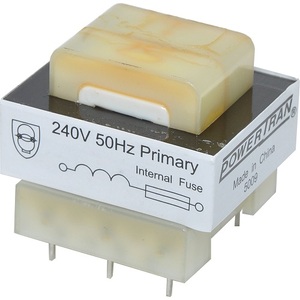
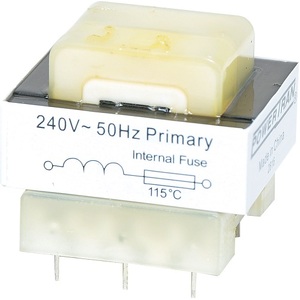
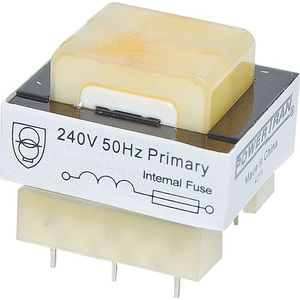
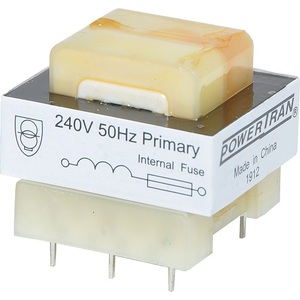
A PCB-mount EI core transformer is designed to be installed on a printed circuit board using its specified mounting pins or terminals. These transformers are commonly used in compact electronic equipment and low-power power supply circuits. Check the pin layout, dimensions, VA rating and electrical specifications before selecting one.
10. Does an EI core transformer produce AC or DC?
An EI core transformer produces an AC output. It changes the AC voltage through electromagnetic induction but does not directly convert AC into DC. To obtain a DC supply, the transformer output is normally connected to a rectifier and, where required, filtering and voltage regulation circuitry.