-
Filter By Stock
- In Stock (55)
Filter By Brand
- Aus Electronics Direct (65)
Circuit Breakers – DC, Automotive & Resettable Circuit Breakers
Popular Products
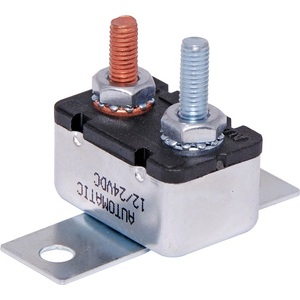
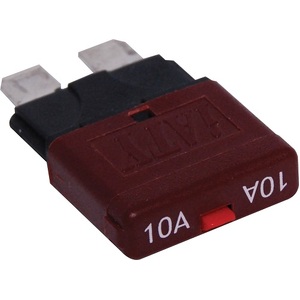
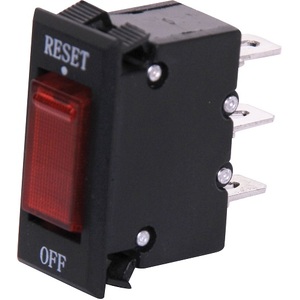
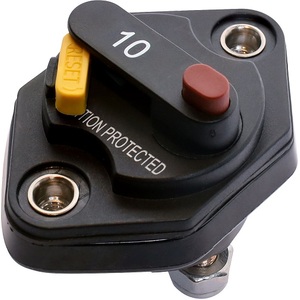
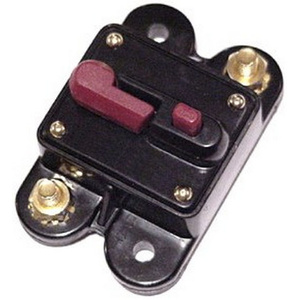
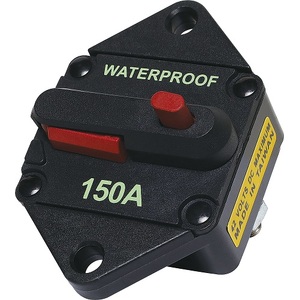
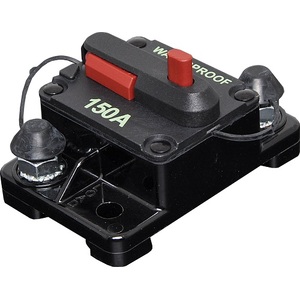
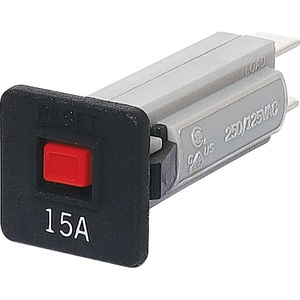
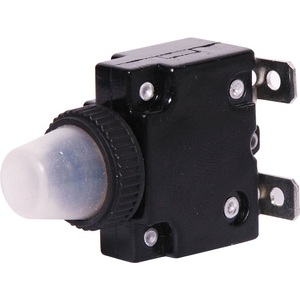
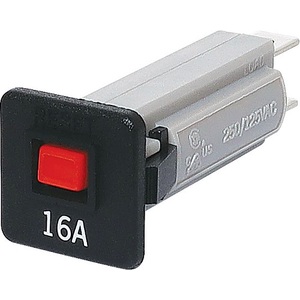
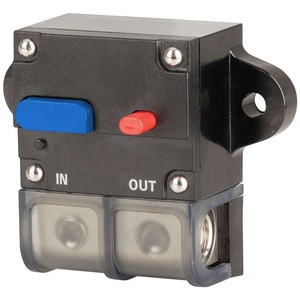
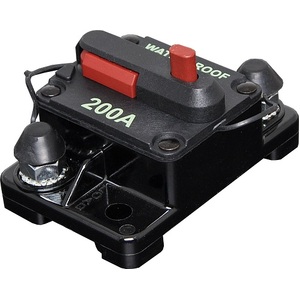
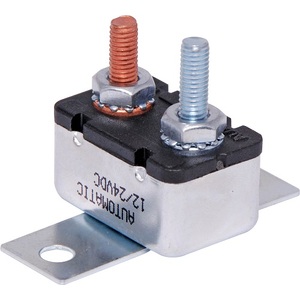
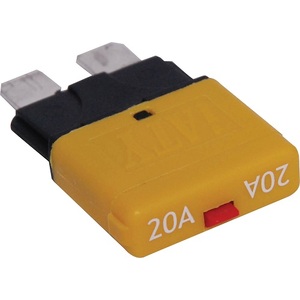
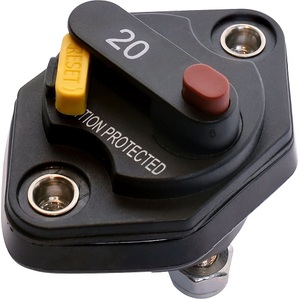
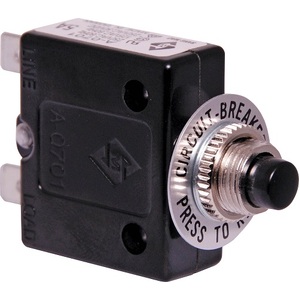
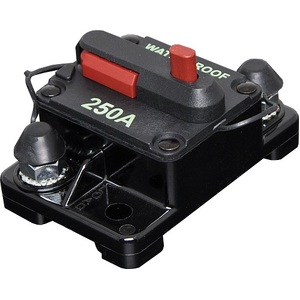
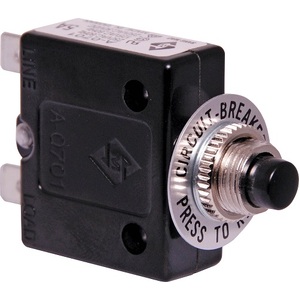
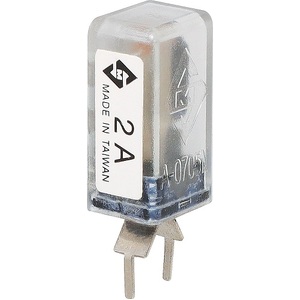
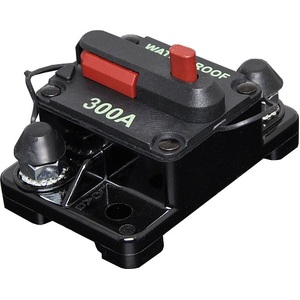
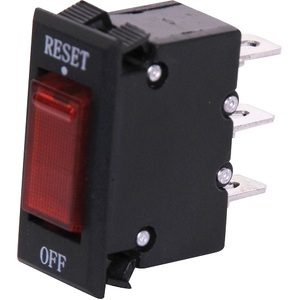
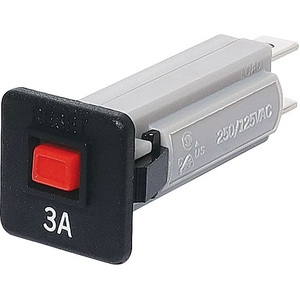
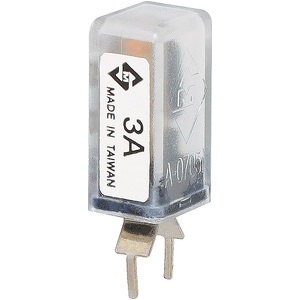
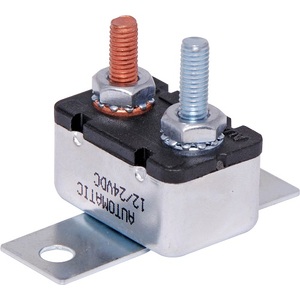
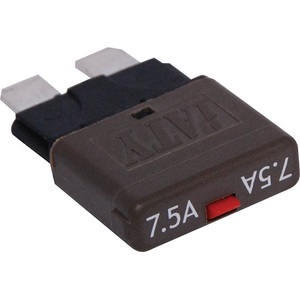
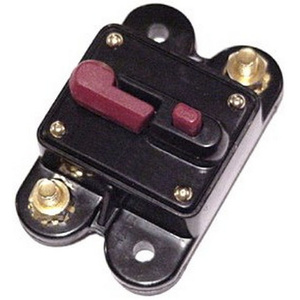
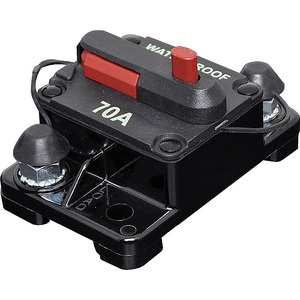
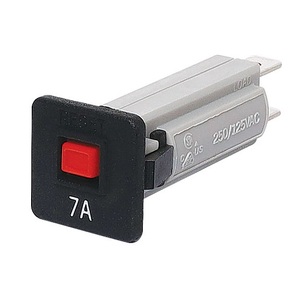
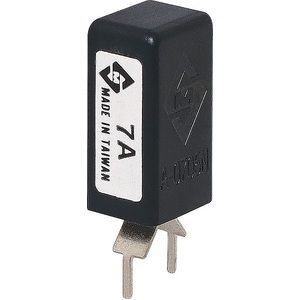
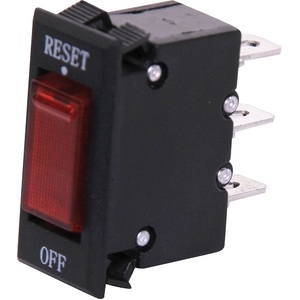
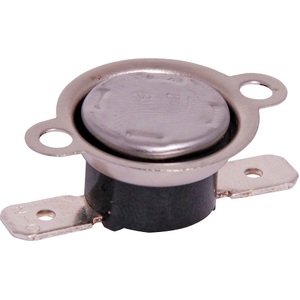
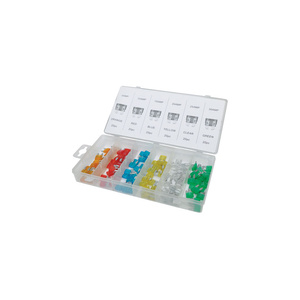
Circuit Breakers – DC, Automotive & Resettable Circuit Breakers
Shop circuit breakers at AU Electronics Direct. Explore our range of electrical circuit protection devices, including DC circuit breakers, automotive circuit breakers, thermal circuit breakers, panel-mount breakers, surface-mount breakers and waterproof resettable circuit breakers.
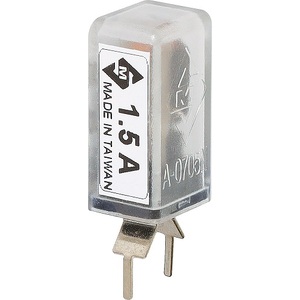
Our selection includes circuit breakers in a variety of current ratings, from low-current electronic protection devices to high-current breakers for automotive, marine and DC electrical applications. Choose from manual-reset and auto-reset models, PCB-mount circuit breakers and IP-rated waterproof options for different installation requirements.
Whether you need a 12V or 24V automotive circuit breaker, a high-current DC breaker or a compact thermal circuit breaker for electronic equipment, browse our range to find a suitable solution. Compare current ratings, operating voltage, mounting configuration, reset mechanism and ingress protection ratings to select the right circuit breaker for your application.
Types of Circuit Breakers
Circuit breakers are electrical protection devices designed to interrupt current flow when an overload or fault condition occurs. They help protect electrical circuits and connected equipment from excessive current.
Different circuit breaker designs are available to suit automotive, marine, industrial and electronic applications.
DC Circuit Breakers
DC circuit breakers are designed for direct current electrical systems. They are commonly used in automotive, marine, battery-powered and other DC applications. When selecting a DC circuit breaker, check its rated voltage, current capacity and interrupting capability.
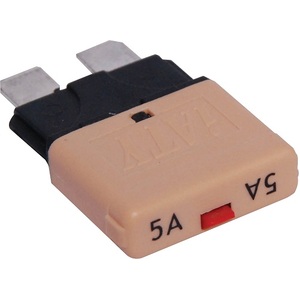
Automotive Circuit Breakers
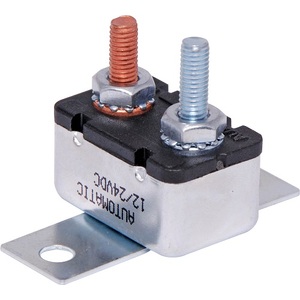
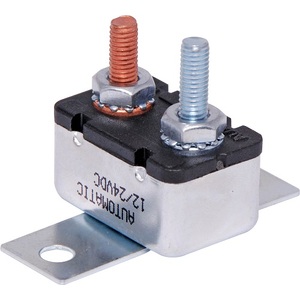
Automotive circuit breakers provide circuit protection for vehicle electrical systems, including cars, caravans, trucks and marine equipment. Available in different current ratings, they can be used in suitable 12V and 24V DC applications.
Thermal Circuit Breakers
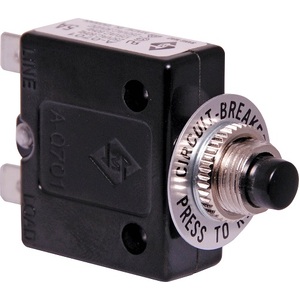
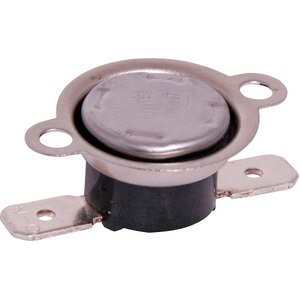
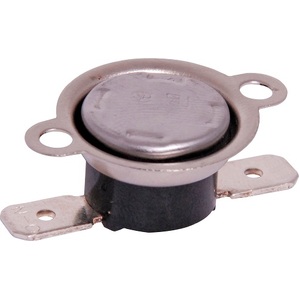
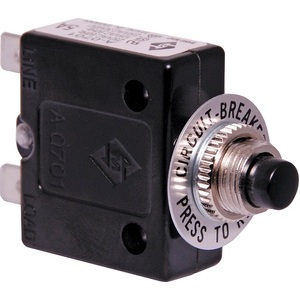
Thermal circuit breakers use a temperature-sensitive mechanism to detect excessive current. When an overload occurs, the internal thermal element activates and interrupts the circuit. Depending on the model, the breaker can be reset manually or automatically.
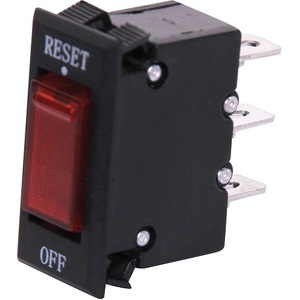
Panel Mount Circuit Breakers
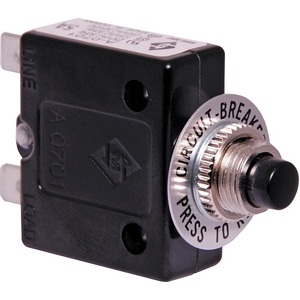
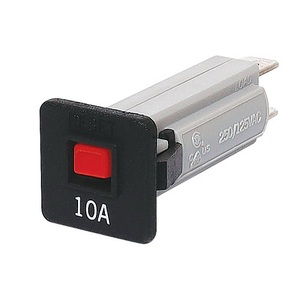
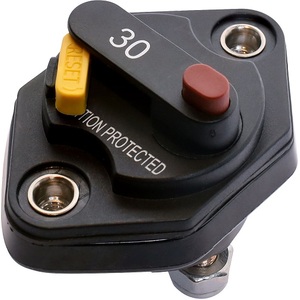
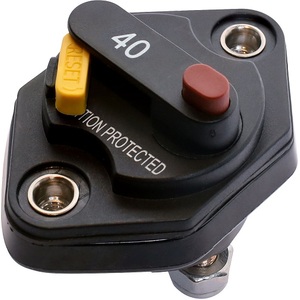
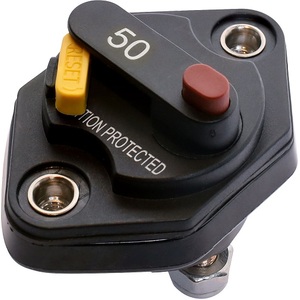
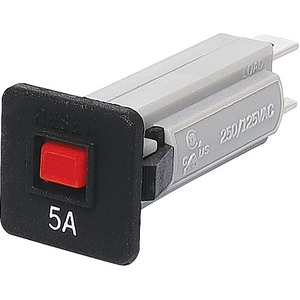
Panel mount circuit breakers are designed for installation through an opening in an equipment panel or enclosure. They provide convenient access to circuit protection and are available in different current ratings and reset configurations.
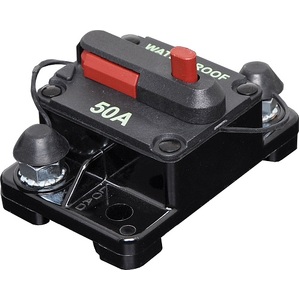
Surface Mount Circuit Breakers
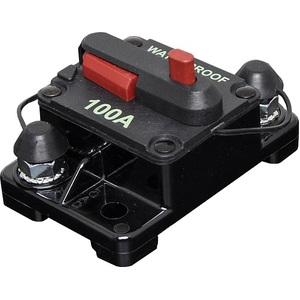
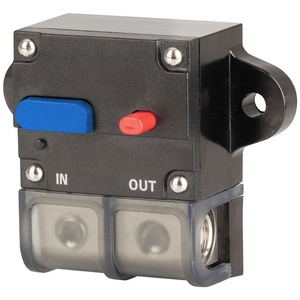
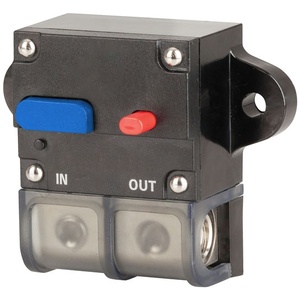
Surface mount circuit breakers are designed to be installed directly onto a mounting surface. They are commonly used in automotive, marine and other electrical installations where accessible circuit protection is required.
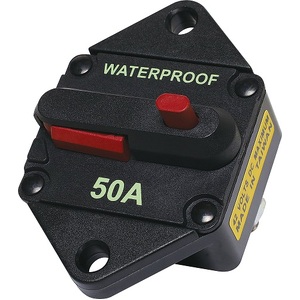
Waterproof Circuit Breakers
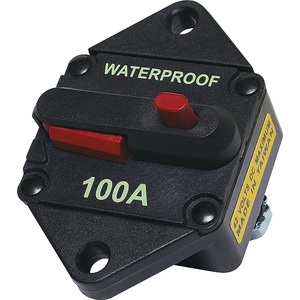
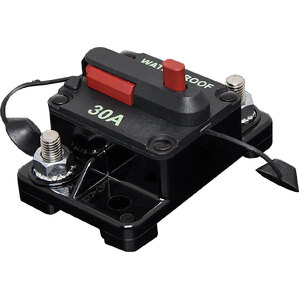
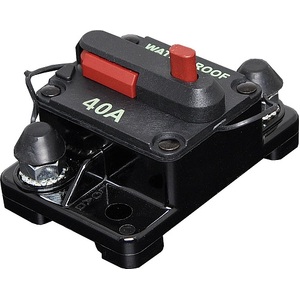
Waterproof circuit breakers feature protective housings designed to provide resistance against dust and water ingress. IP66 and IP67-rated options are suitable for applications where additional environmental protection is required, subject to the manufacturer's installation specifications.
Manual Reset vs Automatic Reset Circuit Breakers
Circuit breakers are available with different reset mechanisms depending on their intended application.
-
Manual reset circuit breakers: Require the user to manually reset the breaker after it trips and the fault has been addressed.
-
Automatic reset circuit breakers: Automatically restore the circuit after the internal protection mechanism resets, depending on the operating conditions.
-
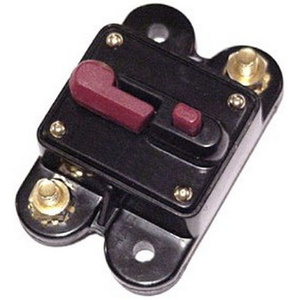
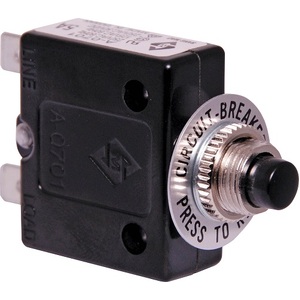
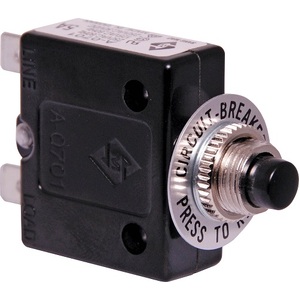
Push button reset circuit breakers: Feature an accessible button for manually restoring the electrical connection after a trip.
Selecting the correct reset mechanism depends on the application, accessibility and safety requirements.
How to Choose the Right Circuit Breaker
When selecting a circuit breaker, consider the following specifications:
-
Current rating: Choose a breaker with an appropriate rated current for the protected circuit and its wiring.
-
Operating voltage: Check whether the breaker is suitable for AC or DC applications and verify its maximum voltage rating.
-
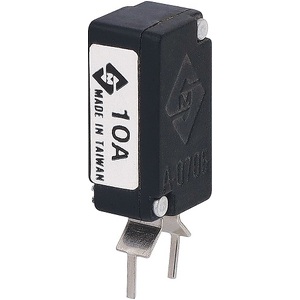
Mounting type: Consider panel mount, surface mount, flush mount or PCB mount configurations.
-
Reset mechanism: Determine whether manual reset or automatic reset operation is required.
-
IP rating: Check the ingress protection rating when installing the breaker in environments exposed to dust or moisture.
-
Physical dimensions: Confirm mounting hole sizes, terminal connections and available installation space.
-
Interrupting capacity: Ensure the breaker can safely interrupt the prospective fault current for the intended installation.
Always follow manufacturer specifications and applicable electrical installation requirements when selecting and installing circuit protection devices.
Applications of Circuit Breakers
Circuit breakers are used across a wide range of electrical and electronic applications. Common uses include automotive electrical systems, marine installations, caravans, battery-powered equipment, electronic circuits and industrial control equipment.
Depending on the design and electrical rating, circuit breakers can provide protection for power distribution circuits, electrical accessories, battery systems and individual equipment components.
Browse our range of circuit breakers to find suitable circuit protection products for your electrical project or installation.
FAQ
1. What is a circuit breaker and what does it do?
A circuit breaker is an electrical protection device that automatically interrupts current flow when an overload or fault occurs. It helps protect electrical wiring, equipment and circuits from excessive current.
2. What is the difference between a fuse and a circuit breaker?
A fuse operates by melting an internal element when excessive current flows and generally needs replacing after operation. A resettable circuit breaker interrupts the circuit and can typically be restored after the fault has been investigated and corrected.
3. What is a DC circuit breaker?
A DC circuit breaker is designed to interrupt direct current rather than alternating current. It is commonly used in automotive, marine, battery and other DC electrical systems.
4. What is the difference between manual reset and auto reset circuit breakers?
A manual reset circuit breaker requires someone to manually restore the circuit after it trips. An auto reset circuit breaker automatically restores the connection when its internal protection mechanism resets.
5. What size circuit breaker do I need for a 12V system?
The appropriate current rating depends on the connected equipment, wiring capacity, expected operating current and manufacturer's specifications. The breaker must provide suitable protection for the circuit wiring and equipment.
6. Are waterproof circuit breakers suitable for outdoor use?
Some circuit breakers feature IP66 or IP67-rated housings that provide protection against dust and water ingress. Always check the manufacturer's specifications and installation requirements before using a breaker outdoors.
7. What is a thermal circuit breaker?
A thermal circuit breaker uses a heat-sensitive element to detect excessive current. When the temperature reaches its operating threshold, the breaker interrupts the circuit to provide overload protection.
8. Can a circuit breaker be reset after it trips?
Many circuit breakers are resettable. However, the cause of the trip should be identified and corrected before resetting. Repeated tripping may indicate an overload or electrical fault.