-
Filter By Stock
- In Stock (3)
Filter By Brand
- Aus Electronics Direct (4)
48V DC Power Supplies and Power Adapters
Popular Products
48V DC Power Supplies and Power Adapters
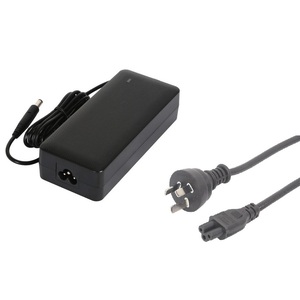
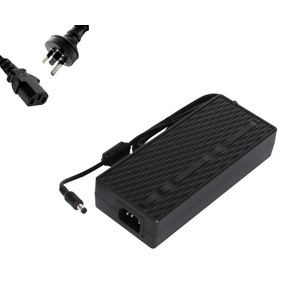
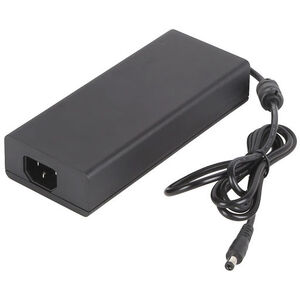
Shop 48V DC power supplies and switchmode power adapters at Aus Electronics Direct. Our range includes regulated 48V power supplies with different output current ratings and DC connector options for compatible electronic equipment.
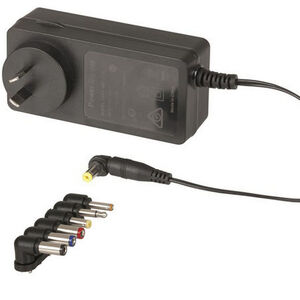
Choose from 48V DC adapters with 1.25A, 2A, 2.5A and 3A outputs. Options include power supplies with standard 2.1mm and 2.5mm DC plugs, as well as a versatile adapter supplied with seven interchangeable DC connectors.
These 48V switchmode power supplies convert mains AC electricity into a regulated 48V DC output for equipment designed to operate at this voltage. They may be suitable for compatible networking equipment, Power over Ethernet (PoE) devices, modems, LED lighting and other electronic applications, provided the equipment's electrical requirements match.
When selecting a 48V power adapter, check your device's required input voltage, current consumption, connector dimensions and polarity. The adapter must provide the correct 48V DC output, with a current rating that meets or exceeds the device's requirements. Also check the mains connection, output plug and any specific manufacturer requirements.
Whether you need a 48V 1.25A adapter with interchangeable plugs, a 48V 2A power supply or a higher-current 48V 3A switchmode adapter, browse our range to find a suitable power solution for your equipment.
FAQ
48V DC Power Supply FAQs
1. What is a 48V DC power supply used for?
A 48V DC power supply converts mains AC electricity into a 48-volt direct current (DC) output for compatible electronic equipment. It is commonly used with selected networking devices, telecommunications equipment, security systems, LED lighting, industrial electronics and other applications requiring a 48V DC input. Always check the equipment manufacturer's voltage, current, connector and polarity requirements before choosing a power supply.
2. What is the difference between a 48V 1.25A and 48V 2A power supply?
Both power supplies provide a 48V DC output, but they have different maximum current capacities. A 48V 1.25A power supply can provide up to 1.25 amps, while a 48V 2A model can provide up to 2 amps. The 2A adapter can support equipment with higher current requirements, provided the voltage and other electrical specifications match. Choose a power supply with a current rating that meets or exceeds your device's requirements.
3. Can I use a 48V 3A adapter instead of a 48V 2A adapter?
Generally, yes. A 48V 3A power adapter can replace a 48V 2A adapter if both provide the correct 48V DC output and have compatible connector dimensions, polarity and other required specifications. The 3A rating represents the maximum current the adapter can supply; it does not force 3 amps into the connected equipment. Always confirm that the replacement meets the manufacturer's power requirements.
4. How do I choose the correct 48V power adapter?
To choose the correct 48V power adapter, check your device's specifications and confirm the following:
-
Output voltage: The equipment must require 48V DC.
-
Current rating: The adapter must provide at least the current required by the device.
-
Power rating: Check the required wattage and ensure the adapter can supply sufficient power.
-
Connector size: Confirm the DC plug's inner and outer diameters.
-
Polarity: Check whether the device requires centre-positive or centre-negative polarity.
-
Power supply type: Confirm whether a regulated switchmode power supply or another specific type is required.
For networking and PoE equipment, also check the supported PoE standard, voltage and power requirements. Matching these specifications helps ensure the power supply is suitable for your equipment.
5. What is the difference between a 2.1mm and 2.5mm DC plug?
The main difference is the internal diameter of the DC barrel connector. A 2.1mm plug has a smaller internal contact opening than a 2.5mm plug. Although both may have the same external diameter, they are not necessarily interchangeable. An incorrect connector can cause a loose fit, poor electrical contact or unreliable operation. Check your equipment's required connector dimensions before purchasing a replacement 48V power supply.
6. What is a 48V switchmode power supply?
A 48V switchmode power supply (SMPS) converts mains AC electricity into a regulated 48V DC output using high-frequency electronic switching technology. Switchmode power supplies are generally compact and efficient compared with traditional linear power supplies. They are commonly used in networking equipment, telecommunications, industrial electronics and other devices that require a stable 48V DC supply.
7. Can I use a 48V power supply for PoE equipment?
Only if the power supply is compatible with the PoE equipment's voltage, power requirements and PoE standard. Some passive PoE devices use a specific 48V input, while IEEE-standard PoE systems use defined voltage ranges, power negotiation and compatible injection or switching equipment. A standard 48V DC power adapter is not automatically a suitable PoE injector. Check the manufacturer's specifications for both the powered device and the PoE equipment before connecting a power supply.
8. What devices use a 48V DC power supply?
A range of equipment may use 48V DC power supplies, including selected networking devices, telecommunications equipment, wireless access points, security systems, industrial control equipment and LED lighting systems. Some Power over Ethernet (PoE) applications also operate at nominal 48V, depending on the equipment and standard. However, voltage, current, connector and power requirements vary, so always check the manufacturer's specifications before selecting an adapter.