-
Filter By Stock
- In Stock (8)
Key Switches – Electrical, DPDT & Panel Mount Keyswitches
Popular Products
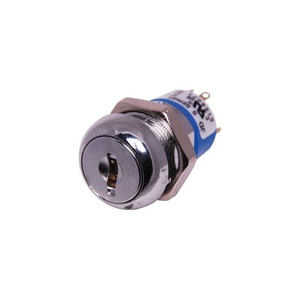
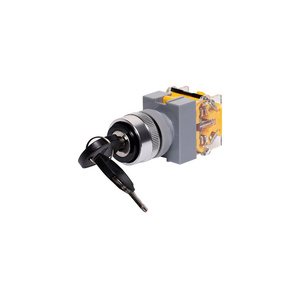
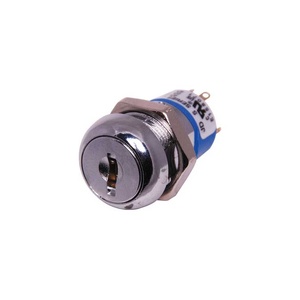
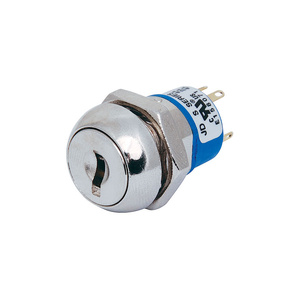
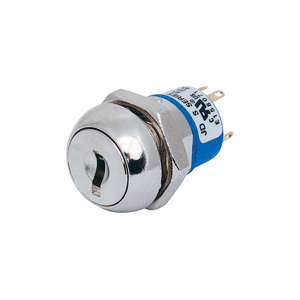
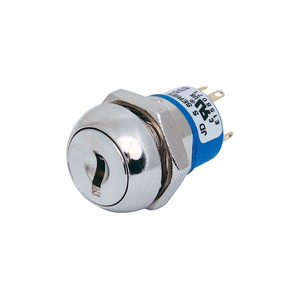
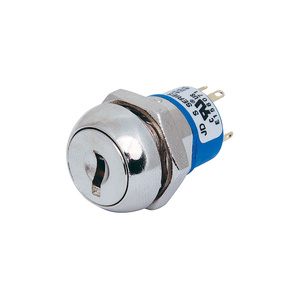
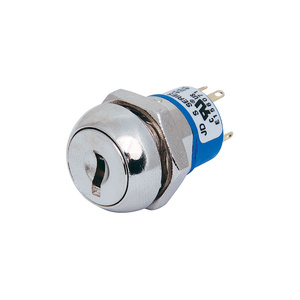
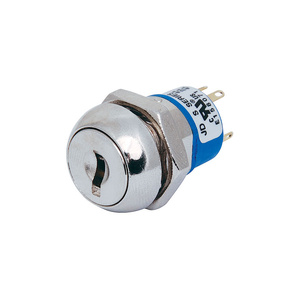
Key Switches – Electrical, DPDT & Panel Mount Keyswitches
Shop key switches at AU Electronics Direct. Explore our range of electrical key-operated switches, including 2-position and 3-position keyswitches, DPDT and DP3T configurations, heavy-duty key switches and spring-return models.
Designed for applications requiring keyed operation and controlled switching, these switches are suitable for electrical control panels, machinery, equipment and electronic installations. Choose from different switching positions, contact configurations and key types to suit your control requirements.
Whether you need a maintained 2-position key switch, a 3-position selector switch or a spring-return keyswitch for momentary operation, browse our selection to find a suitable switching component. Compare contact arrangements, operating positions, key compatibility, mounting dimensions and electrical ratings before selecting the right key switch for your application.
Types of Key Switches
Key switches are electrical switching devices operated using a matching key. They are commonly used in control panels, machinery and electronic equipment where switching access needs to be restricted to authorised key holders.
Different key switch designs are available with varying operating positions, contact configurations and switching mechanisms.
2-Position Key Switches
2-position key switches provide two selectable operating positions, commonly used for on/off control or switching between two operating states. They are suitable for electrical control panels, machinery and equipment requiring keyed operation.
3-Position Key Switches
3-position key switches feature three selectable positions and can be used for applications requiring additional control options. Depending on the switch configuration, the positions may provide different maintained or momentary switching functions.
DPDT Key Switches
DPDT (Double Pole Double Throw) key switches control two separate electrical circuits and allow each circuit to switch between two contact positions. They are suitable for applications requiring multiple switching connections from a single keyed mechanism.
DP3T Key Switches
DP3T (Double Pole Three Throw) key switches provide three selectable contact positions across two poles. They can be used in specialised control applications requiring multiple switching states.
Spring Return Key Switches
Spring-return key switches automatically return to their designated resting position when the key is released from a momentary position. They are useful for temporary control functions where a maintained switching position is not required.
Heavy Duty Key Switches
Heavy-duty key switches are designed for applications requiring robust mechanical construction and reliable keyed operation. They are suitable for equipment control panels, machinery and electrical installations where controlled switching is required.
Understanding Key Switch Positions and Configurations
When choosing a key switch, it is important to understand its switching positions and electrical contact arrangement.
-
2-position switches: Provide two selectable switching positions.
-
3-position switches: Provide three selectable switching positions.
-
DPDT switches: Provide two poles and two switching paths per pole.
-
DP3T switches: Provide two poles and three switching paths per pole.
-
Spring-return switches: Automatically return from a momentary position when released.
The actual electrical operation depends on the manufacturer's contact diagram and switch specifications. Always check the product documentation before selecting a switch for a particular circuit.
How to Choose the Right Key Switch
Consider the following specifications when selecting a key-operated switch:
-
Number of positions: Determine whether a 2-position or 3-position switch is required.
-
Contact configuration: Check whether SPST, SPDT, DPDT or DP3T contacts are needed.
-
Switching mechanism: Choose between maintained and spring-return operation.
-
Key compatibility: Verify the supplied key type and whether replacement keys are available.
-
Electrical ratings: Check the rated voltage and current for the intended application.
-
Mounting dimensions: Confirm the mounting hole diameter, panel thickness and switch dimensions.
-
Application requirements: Consider the operating environment and any security or access-control requirements.
Selecting a compatible key switch helps ensure correct operation and integration with the intended electrical control system.
Applications of Key Switches
Key switches are commonly used in industrial control panels, machinery, electrical equipment, automation systems and specialised electronic installations.
Typical applications include equipment activation, operating mode selection, restricted-access controls and machinery operation. Their keyed mechanism provides an additional level of control compared with conventional push-button and toggle switches.
Browse our range of key switches at AU Electronics Direct to find suitable keyed switching components for your electrical and electronic projects.
FAQ
1. What is a key switch?
A key switch is an electrical switch operated using a matching key. It is commonly used in equipment, machinery and control panels where switching access needs to be restricted.
2. What is a 2-position key switch?
A 2-position key switch provides two selectable operating positions. Depending on its configuration, it can be used for on/off control or selecting between two operating modes.
3. What is a 3-position key switch?
A 3-position key switch provides three selectable positions. It is commonly used in control applications requiring additional operating states, such as selecting between different equipment modes.
4. What does DPDT mean on a key switch?
DPDT stands for Double Pole Double Throw. It means the switch controls two separate electrical circuits, with each pole able to connect between two contact positions.
5. What is the difference between DPDT and DP3T key switches?
A DPDT key switch provides two switching paths per pole, while a DP3T key switch provides three switching paths per pole. The appropriate configuration depends on the number of circuit positions required.
6. What is a spring-return key switch?
A spring-return key switch automatically returns to its resting position after the key is released from a momentary operating position. It is useful for temporary switching and control functions.
7. Where are key switches commonly used?
Key switches are used in industrial machinery, electrical control panels, automation equipment, security systems and electronic installations requiring keyed operation.
8. Are key switches suitable for control panels?
Yes. Panel-mount key switches are commonly used in control panels to provide keyed equipment activation, operating mode selection and restricted switching access. Check the mounting dimensions and electrical ratings before installation.