
-
Filter By Stock
- In Stock (2)
Filter By Brand
- Aus Electronics Direct (7)
13.8V DC Power Supplies and Adapters
Popular Products
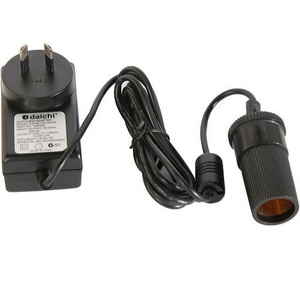
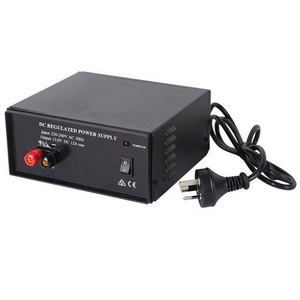
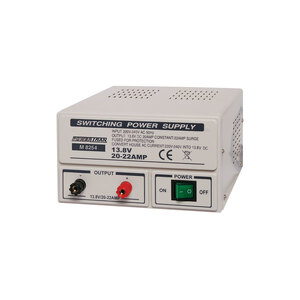
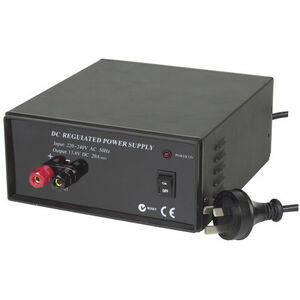
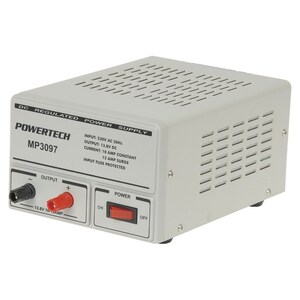
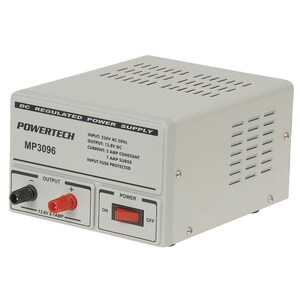
13.8V DC Power Supplies and Adapters
Shop 13.8V DC power supplies and adapters at Aus Electronics Direct. Our range includes compact 13.8V power adapters with cigarette lighter sockets, as well as higher-current switchmode and benchtop power supplies for compatible automotive, marine, communications and electronics applications.
Choose from a range of output current options, including 1A, 5A, 10A, 12A, 20A and higher-current models. Whether you need a 13.8V DC supply for powering compatible equipment or a bench power supply for workshop use, compare the output current, connection type and features to find the right option.
Before purchasing, check your equipment's required input voltage, DC polarity, connector or terminal type and current requirements. A power supply must provide the correct voltage and have sufficient current capacity for the connected device. Always confirm compatibility with the equipment manufacturer's specifications.
FAQ
1. What is a 13.8V DC power supply used for?
A 13.8V DC power supply provides a regulated direct-current output for compatible electronic equipment. It is commonly used with communications equipment, amateur radio transceivers, CB radios and other devices designed to operate from a nominal 13.8V supply. It can also power suitable electronic equipment in workshops and other applications. Always check the manufacturer's recommended input voltage and current requirements before choosing a power supply.
2. Why are 13.8V power supplies used for communications equipment?
Many communications devices, particularly amateur radio and mobile radio equipment, are designed around a nominal 13.8V DC supply. This voltage is commonly associated with the nominal 12V automotive electrical system when the engine is running and the alternator is charging. A regulated 13.8V power supply provides a suitable fixed DC output for compatible equipment when used within its specified voltage and current limits.
3. What is the difference between a 13.8V 5A and 13.8V 20A power supply?
Both power supplies provide a nominal output voltage of 13.8V, but they differ in their maximum current capacity. A 5A model can supply up to 5 amps, equivalent to approximately 69 watts, while a 20A model can supply up to 20 amps, equivalent to approximately 276 watts. The 20A supply can support equipment with higher current demands or multiple compatible devices, provided the total load remains within its rated capacity. A higher current rating does not force extra current into a device; the connected equipment draws the current it requires.
4. Can I use a 13.8V power supply with a 12V device?
Not automatically. Some 12V equipment is designed to tolerate the higher voltage of a 13.8V supply, but other devices require a narrower input-voltage range. Check the equipment manufacturer's specifications to confirm whether 13.8V is an acceptable input. Also verify the DC polarity, connector size and current requirements. If the device only supports a strict 12V input, use a suitable regulated 12V power supply instead.
5. How do I choose the correct current rating for a 13.8V power supply?
Check the maximum current requirement of the equipment you intend to power. Choose a 13.8V supply with a current rating equal to or greater than the device's required current, allowing suitable capacity for startup demands and any additional connected equipment. For multiple devices, add their maximum current requirements together and ensure the combined load does not exceed the power supply's rating. Also consider the required output connector, cable capacity and any manufacturer recommendations.
6. What is the difference between a bench power supply and a standard power adapter?
A bench power supply is generally designed for electronics testing, servicing and workshop applications. It may include adjustable voltage and current controls, output terminals, meters and current-limiting protection. A standard power adapter typically provides a fixed output voltage through a cable or dedicated connector and is designed to power a specific compatible device. Some 13.8V supplies are fixed-output bench models, so check the product specifications rather than assuming every bench supply has adjustable voltage.
7. Are 13.8V switchmode power supplies regulated?
Many 13.8V switchmode power supplies are regulated to maintain a relatively stable output voltage as the connected load changes within their specified operating range. Regulation helps provide consistent power to compatible electronic equipment. However, features and performance vary between models. Check the manufacturer's specifications for voltage regulation, output ripple, current capacity and protection features before purchasing.
8. What should I check before connecting a 13.8V DC power supply?
Before connecting a 13.8V DC power supply, check the following:
-
Input voltage: Confirm that the equipment accepts 13.8V DC.
-
Current capacity: Ensure the power supply can provide the required current.
-
Polarity: Check that positive and negative connections match the equipment requirements.
-
Connector type: Confirm that the plug, socket or terminal connections are compatible.
-
Cable capacity: Make sure the cable and connectors can safely handle the expected current.
-
Power rating: Confirm that the supply has sufficient wattage for the connected load.
-
Protection features: Check for suitable overload, overcurrent and short-circuit protection.
Always follow the equipment manufacturer's instructions and disconnect the supply before changing wiring or connections.