
-
Filter By Stock
- In Stock (46)
Filter By Brand
- Aus Electronics Direct (3)
- Tornado (71)
RC Wire and Cable
Popular Products


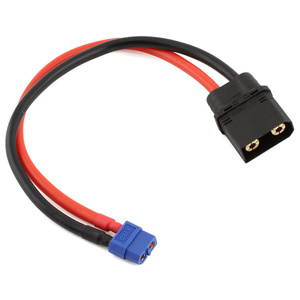



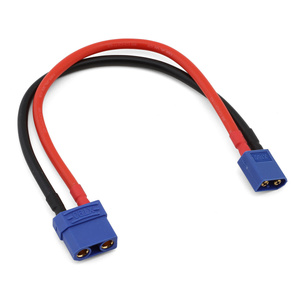


RC Wire and Cable
Shop RC wire and cable at Aus Electronics Direct for radio-controlled vehicles, battery connections, repairs and hobby electronics projects. Our range includes silicone wire, hook-up wire, automotive cable, battery leads and other wiring products for a variety of RC and electrical applications.
Choosing the right wire is important for creating reliable electrical connections. Silicone wire is a popular option for RC applications because of its flexibility, making it suitable for wiring in cars, trucks, boats and other hobby models. Hook-up wire and general-purpose cable are useful for electronics projects, repairs and custom wiring installations.
When selecting RC wire, consider the wire gauge, current rating, insulation material, cable length and intended application. Thicker wire is generally used for applications requiring higher current capacity, while smaller-gauge wire can be suitable for lower-current connections and signal wiring. Always check the manufacturer's specifications to ensure the cable is suitable for your electrical requirements.
Explore different wire sizes, colours and cable types to find suitable wiring for your RC battery connections, motors, electronic components and hobby projects. You can also browse our range of RC leads, battery connectors and charging cables for pre-terminated wiring solutions.
Shop RC wire and cable at Aus Electronics Direct for your next RC upgrade, repair or electronics project.
FAQ
1. What type of wire is best for RC cars and trucks?
Flexible stranded silicone wire is a popular choice for RC cars and trucks because it bends easily and is suitable for compact installations where wiring needs to move around components. It is commonly used for battery connections, motors and electronic speed controllers (ESCs). The best wire depends on the current requirements, available space and intended application. Always check the wire's specifications before selecting it.
2. What is the difference between silicone wire and PVC wire?
Silicone wire uses silicone insulation, which is generally more flexible and offers a wider operating temperature range than standard PVC-insulated wire. PVC wire is commonly used for general electrical applications and can be a cost-effective option for installations that do not require as much flexibility or heat resistance. Silicone wire is often preferred for RC applications where wiring needs to bend around components and fit into confined spaces.
3. What does AWG mean when choosing RC wire?
AWG stands for American Wire Gauge, a standard used to describe the thickness of electrical wire. A lower AWG number indicates thicker wire, while a higher number indicates thinner wire. For example, 10AWG wire is thicker than 16AWG wire. Choosing the correct AWG size is important because wire thickness affects current-carrying capacity, electrical resistance and heat generation.
4. What gauge wire should I use for an RC LiPo battery?
The correct wire gauge for an RC LiPo battery depends on the maximum current draw, cable length, connector type and electrical setup. Higher-current applications generally require thicker wire, such as 10AWG or 12AWG, while lower-current applications may use thinner wire. Check the battery, ESC and cable manufacturer's specifications to select a suitable gauge. Do not choose wire based on battery voltage or capacity alone.
5. Why is flexible silicone wire popular for RC applications?
Flexible silicone wire is popular for RC applications because its insulation bends easily, making it suitable for tight spaces and compact vehicle layouts. This flexibility can help simplify wiring around batteries, motors and elect
