
-
Filter By Stock
- In Stock (23)
Filter By Brand
- Tornado (44)
RC Battery Charging Cables & Leads
Popular Products


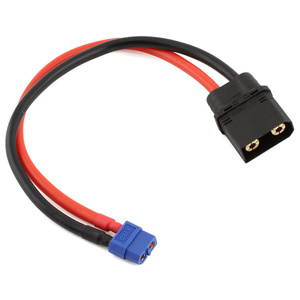


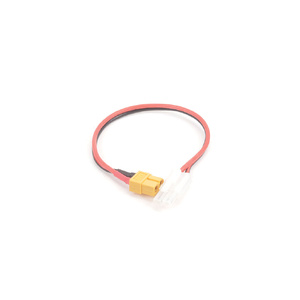

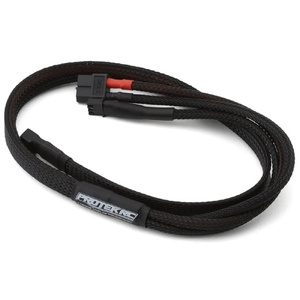

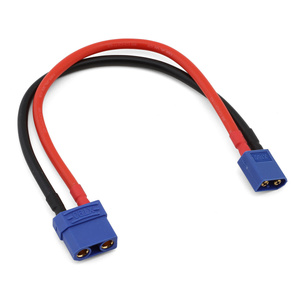

RC Battery Charging Cables & Leads
Shop RC battery charging cables, charger leads and connector adapters at Aus Electronics Direct. Find a range of charging cables designed to connect compatible RC batteries to battery chargers, with different connector types and configurations to suit a variety of RC hobby applications.
Our range includes XT60, XT90, Deans, Tamiya, EC3, EC5, Traxxas, JST and 4mm banana plug charging leads. You can also explore battery connector adapters, charge and balance leads, parallel charging adapters and cable assemblies for different battery connections.
Whether you need a replacement LiPo battery charging lead, an XT60 to Deans adapter or a 4mm banana plug to XT90 charge cable, compare the available connector configurations to find the right cable for your setup.
Before purchasing, check the connector type, male or female configuration, polarity and electrical ratings of your battery and charger. Always ensure the charging cable and charger are suitable for your battery chemistry and cell configuration.
Browse our selection of RC battery charging cables and leads online at Aus Electronics Direct, with fast dispatch from our Sydney warehouse and Australia-wide delivery.
Frequently Asked Questions About RC Battery Charging Cables
1. What is an RC battery charging cable?
An RC battery charging cable is a lead used to connect a compatible RC battery to a battery charger. It comes in different connector configurations, including XT60, XT90, Deans, Tamiya, EC3, EC5 and 4mm banana plugs.
2. What is an XT60 charging cable?
An XT60 charging cable is a battery charging lead featuring an XT60 connector on one or both ends. It is commonly used with RC LiPo batteries and compatible battery chargers. Different adapter configurations are available to connect XT60 batteries to other connector types.
3. What is the difference between XT60 and XT90 connectors?
XT60 and XT90 are electrical connectors commonly used in RC battery applications. XT60 connectors are generally used in lower-current applications than XT90 connectors. The appropriate connector depends on the electrical requirements of the equipment and the manufacturer's specifications.
4. What is a Deans battery charging lead?
A Deans charging lead uses a T-plug style connector commonly found on RC batteries. It allows compatible batteries to connect to chargers or other equipment fitted with the corresponding connector.
5. What is a LiPo balance charging cable?
A LiPo balance charging cable provides a connection for a compatible charger's balance port. It allows the charger to monitor individual cell voltages and balance the cells in a multi-cell LiPo battery during charging.
6. What is the difference between a male and female battery connector?
Male and female connectors have different physical configurations designed to connect together. When selecting a charging cable, check the connector gender at both ends to ensure it matches the battery and charger connections.
7. Can I use an XT60 to Deans adapter for charging?
An XT60 to Deans adapter can connect equipment with these different connector types, provided the adapter's polarity, current rating and electrical specifications are suitable. Always check charger and battery compatibility before use.
8. What charging cable do I need for my RC LiPo battery?
The correct charging cable depends on the connector fitted to your battery and the output connection on your charger. You should also check the battery's cell count, polarity and charging requirements before selecting a lead.
9. Can I use a charging cable with different LiPo battery voltages?
A connector adapter does not change battery voltage or make a charger suitable for a different battery configuration. Always select charger settings appropriate for the battery's chemistry, cell count and manufacturer's charging specifications.
10. What should I check before buying an RC battery charging lead?
Check the connector types, male or female configuration, polarity, cable length, wire gauge and current rating. Make sure the cable is compatible with both your battery and charger and is suitable for the intended charging application.
