-
Filter By Stock
- In Stock (18)
Filter By Brand
- Aus Electronics Direct (23)
18650 Battery Chargers
Popular Products

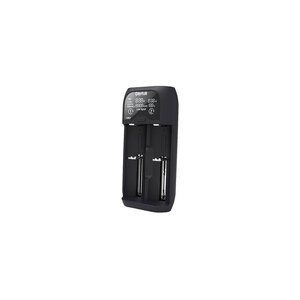
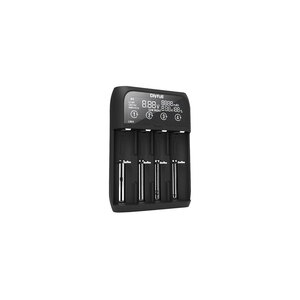
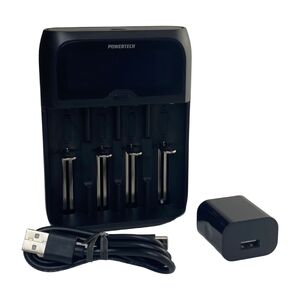
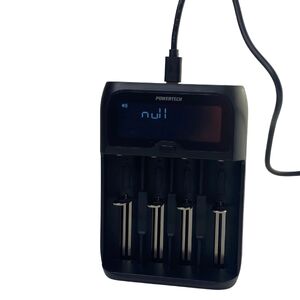
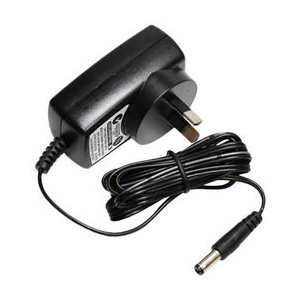
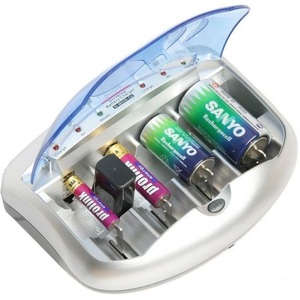
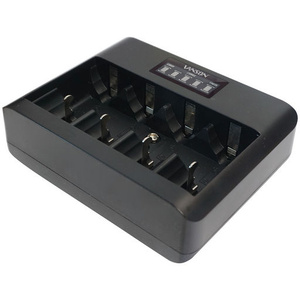
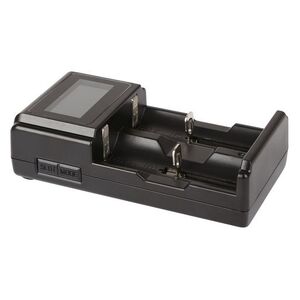
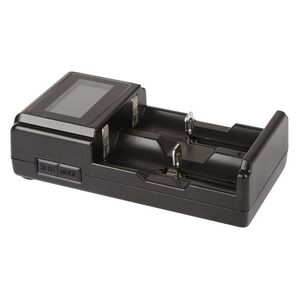
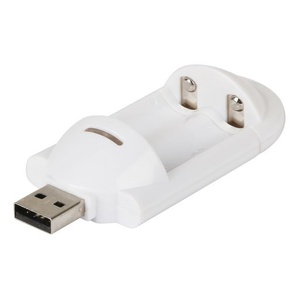

18650 Battery Chargers
Shop 18650 battery chargers at Aus Electronics Direct. Explore a range of rechargeable lithium-ion battery chargers designed for 18650 cylindrical cells and other compatible battery sizes. Whether you need a compact single-slot charger, a dual-battery charger or a multi-slot smart charging solution, find a charger to suit your requirements.
Our range includes 3.7V cylindrical cell Li-ion battery chargers, USB-powered chargers, universal battery chargers and intelligent chargers with LCD displays. Selected models support additional cylindrical battery sizes, including 14500, 16340, 18500, 22650 and 26650 cells.
Choose from single, dual and multi-channel charging options, with selected models offering individual battery monitoring, selectable charging currents and built-in protection features.
When selecting an 18650 battery charger, check the battery chemistry, charging voltage, supported cell sizes and charging current. Always use a charger specifically designed for your battery type.
Browse our range of 18650 battery chargers online at Aus Electronics Direct, with fast dispatch from our Sydney warehouse and Australia-wide delivery.
1. Types of 18650 Battery Chargers
18650 battery chargers are available in several configurations to suit different charging requirements. These chargers are designed primarily for rechargeable cylindrical lithium-ion batteries and come with different charging capacities, features and power options.
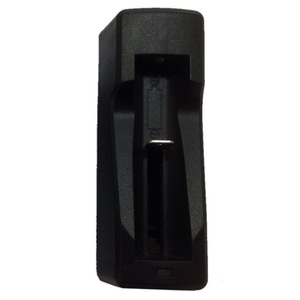
Single-Slot 18650 Chargers: Single-slot chargers are designed to charge one battery at a time. Their compact size makes them suitable for users who only need to recharge an individual battery.
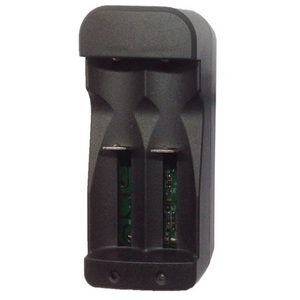
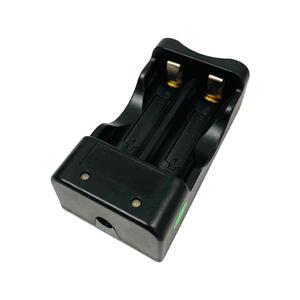
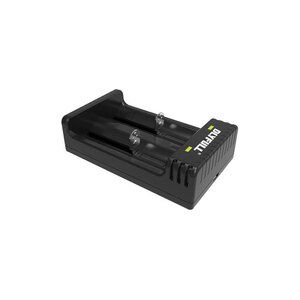
Dual-Slot 18650 Chargers: Dual-slot chargers allow two compatible batteries to be charged simultaneously. Some models feature independent charging channels, allowing batteries with different capacities or charge levels to be managed separately.
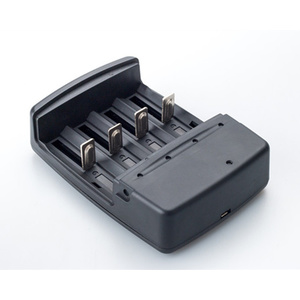
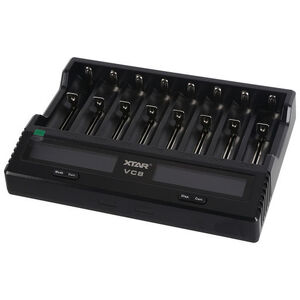
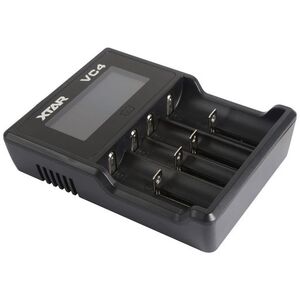
Multi-Slot Battery Chargers: Multi-slot chargers provide additional charging positions, making them useful for users who regularly recharge several batteries. Depending on the model, they may support four, six or eight batteries at once.
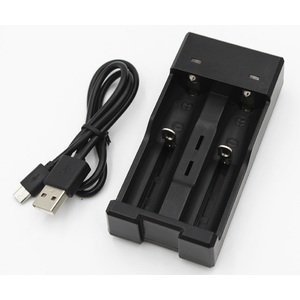
USB 18650 Chargers: USB-powered chargers offer convenient charging through compatible USB power sources, including USB wall adapters and power banks. Check the charger's required input specifications before connecting it.
Smart 18650 Battery Chargers: Smart chargers use electronic charging controls to manage the charging process. Depending on the model, features may include LCD displays, selectable charging currents, individual battery monitoring and automatic charging termination.
When choosing an 18650 charger, consider how many batteries you need to charge, the available power source and the battery chemistry supported by the charger.
2. How to Choose the Right 18650 Battery Charger
Selecting the right 18650 battery charger is important for maintaining battery performance and ensuring safe charging. Different chargers offer varying numbers of charging slots, charging currents and compatibility options.
Consider the following factors when comparing 18650 battery chargers.
Battery Compatibility: Check that the charger supports standard 3.6V or 3.7V nominal lithium-ion 18650 cells. Some chargers also support other cylindrical battery sizes and chemistries.
Number of Charging Slots: Choose a single-slot charger for occasional charging, a dual-slot model for two batteries or a multi-slot charger if you regularly recharge several cells.
Charging Current: Charging current affects how quickly a battery recharges. Check the recommended charging current specified by the battery manufacturer and ensure the charger supports an appropriate setting.
Charging Technology: Some chargers feature automatic charging controls, while advanced models offer selectable charging currents and individual cell monitoring.
Display and Indicators: LED indicators provide basic charging status information, while LCD displays may show individual battery voltage, charging current and progress.
Power Input: Consider whether you need a USB-powered charger or a model that uses a dedicated power adapter. Check the required input voltage and current.
Safety Features: Look for features such as reverse polarity protection, short-circuit protection, overcurrent protection and automatic charging termination where supported.
Comparing these specifications will help you find an 18650 battery charger that matches your battery requirements and everyday charging needs.
3. Single-Slot vs Dual-Slot 18650 Chargers
Single-slot and dual-slot 18650 battery chargers are two common options for recharging cylindrical lithium-ion cells. The main difference is the number of batteries they can accommodate at one time.
Single-Slot 18650 Chargers
Single-slot chargers are designed to charge one compatible battery at a time. They are generally compact and convenient for users who only need to recharge an individual cell.
Advantages include:
-
Compact and portable design.
-
Suitable for charging one battery at a time.
-
Simple operation.
-
Useful for occasional charging requirements.
Dual-Slot 18650 Chargers
Dual-slot chargers feature two charging positions, allowing two compatible batteries to be recharged simultaneously. Some models offer independent charging channels, which can manage each battery separately.
Advantages include:
-
Charge two compatible batteries simultaneously.
-
Convenient for devices requiring multiple batteries.
-
Reduce the need to charge cells individually.
-
Some models provide independent battery monitoring.
Which charger should you choose?
A single-slot charger is suitable if you only need to recharge one battery occasionally. A dual-slot charger is more convenient if you regularly use two 18650 batteries or need to recharge multiple cells.
For users with larger battery requirements, a multi-slot smart charger may provide additional flexibility.
4. USB and Smart 18650 Battery Chargers
USB and smart 18650 battery chargers provide convenient charging options for rechargeable lithium-ion cells. Although both types can offer advanced charging convenience, they describe different charger characteristics.
USB 18650 Battery Chargers
USB chargers use a USB power input, allowing them to connect to compatible power adapters, computers or power banks. They are useful for portable charging and applications where a conventional wall-powered charger is less convenient.
Depending on the model, USB chargers may include:
-
USB-A or USB-C power inputs.
-
Single or multiple charging slots.
-
LED charging indicators.
-
Automatic charging control.
-
Compact and portable construction.
Always check the charger's specified USB input voltage and current requirements.
Smart 18650 Battery Chargers
Smart chargers use electronic control systems to manage battery charging. Depending on the design, they can provide more detailed information and additional charging functions.
Common features may include:
-
LCD displays showing battery status.
-
Individual cell voltage monitoring.
-
Selectable charging current.
-
Automatic charging termination.
-
Reverse polarity and short-circuit protection.
-
Battery condition or capacity testing on selected models.
Choosing Between USB and Smart Chargers
A USB charger is useful when portability and convenient power input are priorities. A smart charger is worth considering when you need additional charging information, adjustable current settings or individual battery monitoring.
Some chargers combine both features, providing USB power input and smart charging functions in one device.
5. Understanding 18650 Lithium-Ion Battery Charging
18650 batteries are cylindrical rechargeable lithium-ion cells commonly used in portable electronics, torches, battery packs and other electronic applications.
The designation 18650 refers to the approximate physical dimensions of the cell: 18mm in diameter and 65mm in length.
Most standard 18650 lithium-ion batteries have a nominal voltage of 3.6V or 3.7V and a fully charged voltage of approximately 4.2V. They generally use a controlled constant-current and constant-voltage (CC/CV) charging process.
Constant Current Charging: During the initial charging stage, the charger supplies a controlled current to the battery. Battery voltage gradually increases as charging progresses.
Constant Voltage Charging: Once the battery reaches its specified maximum charging voltage, the charger maintains that voltage while the charging current gradually decreases.
Charging Completion: Charging is normally terminated when the current falls to the charger's specified termination threshold. Smart chargers typically manage this process automatically.
Charging Current: The appropriate charging current depends on the battery capacity and manufacturer's specifications. A higher charging current may reduce charging time but must remain within the battery's permitted charging limits.
Using a compatible charger with the correct voltage and charging profile helps maintain battery performance and reduce the risk of damage.
6. Compatible Battery Sizes and Charger Specifications
Although 18650 battery chargers are designed for 18650 cylindrical cells, some models also support other rechargeable battery sizes. Compatibility depends on the charger's physical slot dimensions, contact arrangement and supported battery chemistry.
Common cylindrical battery sizes include:
-
14500: A compact cylindrical cell approximately 14mm in diameter and 50mm long.
-
16340: A cylindrical cell approximately 16mm in diameter and 34mm long.
-
18350: A cylindrical cell approximately 18mm in diameter and 35mm long.
-
18500: A cylindrical cell approximately 18mm in diameter and 50mm long.
-
18650: A widely used cylindrical cell approximately 18mm in diameter and 65mm long.
-
26650: A larger cylindrical cell approximately 26mm in diameter and 65mm long.
Important Charger Specifications
Before purchasing a battery charger, compare these specifications:
Supported Battery Sizes: Check which cylindrical cell dimensions the charger can physically accommodate.
Battery Chemistry: Confirm whether the charger supports standard lithium-ion, LiFePO4 or other rechargeable chemistries.
Charging Voltage: Standard lithium-ion cells generally require a 4.2V charging limit, while LiFePO4 cells typically require a different charging voltage.
Charging Current: Check the available output current and whether it is suitable for the battery's recommended charging rate.
Input Power: Review the required USB or DC power input and ensure the supplied power source meets the charger's requirements.
Number of Charging Channels: Check whether each charging slot operates independently or shares the available charging current.
Not all chargers support every battery size or chemistry. Always consult the product specifications before using a charger with a different cylindrical battery type.
7. 18650 Battery Charging Safety Tips
Proper charging practices are important for maintaining lithium-ion battery performance and reducing the risk of overheating, damage or fire.
Follow these precautions when charging 18650 batteries.
Use a Compatible Charger: Always use a charger specifically designed for the battery's chemistry, voltage and charging requirements. Do not use a standard lithium-ion charger for LiFePO4 cells unless compatibility is explicitly specified.
Check Battery Condition: Inspect batteries before charging. Do not charge cells that are swollen, leaking, dented, corroded or otherwise physically damaged.
Check Battery Polarity: Ensure positive and negative terminals are correctly positioned in the charging slot. Use chargers with reverse polarity protection where available.
Avoid Excessive Charging Current: Follow the battery manufacturer's recommended charging current. Charging beyond the specified limits can damage the cell and create safety risks.
Charge on a Suitable Surface: Place the charger on a stable, non-combustible surface away from flammable materials and sources of heat.
Avoid Extreme Temperatures: Do not charge batteries outside the manufacturer's recommended temperature range. Avoid charging cells that are excessively hot or cold.
Use Appropriate Charging Equipment: Avoid damaged cables, unsuitable power adapters and chargers with unknown specifications.
Monitor Charging: Follow the charger's instructions and never leave charging lithium-ion batteries unattended.
Store Batteries Properly: Keep rechargeable cells in suitable battery storage cases, away from metal objects that could cause accidental short circuits.
Following these precautions and using a compatible 18650 battery charger can help support safe and reliable battery charging.
FAQ
Frequently Asked Questions About 18650 Battery Chargers
1. What is an 18650 battery charger?
An 18650 battery charger is a rechargeable battery charger designed to charge cylindrical 18650 lithium-ion cells. These batteries are commonly used in torches, portable electronics, battery packs and other electronic equipment.
2. What voltage does an 18650 battery charger need?
A standard 3.6V or 3.7V nominal lithium-ion 18650 battery typically requires a charger with a maximum charging voltage of 4.2V. Always check the battery specifications and use a charger designed for the correct battery chemistry.
3. Can I charge two 18650 batteries at the same time?
Yes. Dual-slot 18650 battery chargers are designed to charge two compatible batteries simultaneously. Some models also provide independent charging channels to monitor each battery separately.
4. Can I use a USB charger for 18650 batteries?
Yes. Some 18650 battery chargers use USB power and can be connected to a suitable USB power adapter, computer or power bank. Check the charger's required input voltage and current before connecting it to a power source.
5. What is the difference between single-slot and dual-slot 18650 chargers?
A single-slot charger charges one battery at a time, while a dual-slot charger can charge two compatible batteries simultaneously. Multi-slot chargers offer additional charging positions for users who regularly recharge several batteries.
6. Can an 18650 charger charge 26650 batteries?
Some 18650 chargers also support 26650 cylindrical batteries. However, compatibility depends on the charger's physical slot dimensions and supported battery specifications. Check the manufacturer's compatibility list before purchasing.
7. What is a smart 18650 battery charger?
A smart battery charger uses electronic charging control to manage the charging process. Depending on the model, features may include LCD displays, charging current selection, individual battery monitoring and protection against incorrect battery installation.
8. How long does it take to charge an 18650 battery?
Charging time depends on battery capacity, charging current, initial battery voltage and charger efficiency. A higher-capacity battery generally takes longer to charge at the same current. Refer to the battery and charger specifications for recommended charging rates.
9. Can I charge different 18650 batteries in the same charger?
Some multi-slot chargers allow different compatible battery capacities to be charged simultaneously using independent charging channels. Always follow the manufacturer's instructions and ensure each battery is supported by the charger.
10. Are all 18650 battery chargers compatible with LiFePO4 batteries?
No. Standard 3.7V nominal lithium-ion batteries and 3.2V nominal LiFePO4 batteries have different charging requirements. Use a charger with a specifically supported chemistry and the correct charging voltage for the battery.
11. How do I know when an 18650 battery is fully charged?
Many 18650 chargers feature LED indicators or LCD displays to show charging progress. Depending on the model, an indicator may change colour or display a full-charge status when charging is complete.
12. What safety precautions should I follow when charging 18650 batteries?
Use a compatible charger, inspect batteries for physical damage, avoid charging damaged cells and follow the manufacturer's charging instructions. Charge batteries on a suitable non-combustible surface, away from flammable materials, and never leave charging batteries unattended.