
-
Filter By Stock
- In Stock (5)
Filter By Brand
- Aus Electronics Direct (5)
Battery Isolators & Battery Isolation Switches
Popular Products
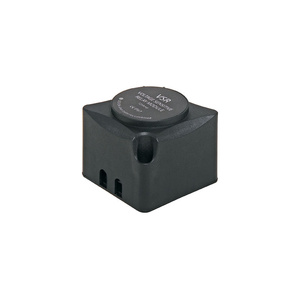
Battery Isolators & Battery Isolation Switches
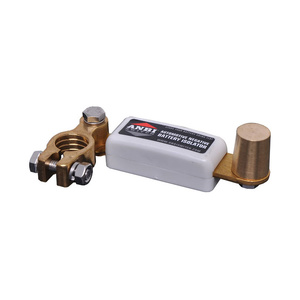
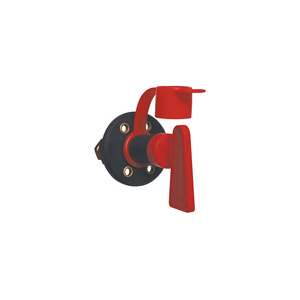
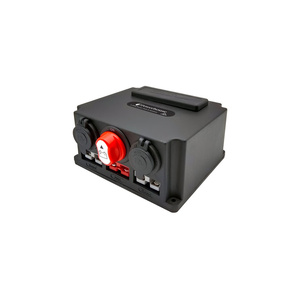
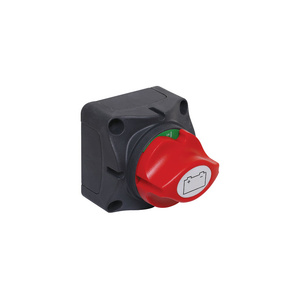
Shop battery isolators and battery isolation switches at Aus Electronics Direct. Our range includes automatic dual battery isolators, smart 12V battery isolators, manual battery disconnect switches, rotary battery switches and battery power distribution solutions for a variety of automotive and DC electrical applications.
A battery isolator is used to control the electrical connection between batteries or disconnect a battery from an electrical circuit. In a dual battery system, an automatic battery isolator or voltage-sensitive relay (VSR) can connect a vehicle's starter battery and auxiliary battery while the charging system is operating. When the charging voltage falls, the isolator separates the batteries to help prevent accessories connected to the auxiliary battery from excessively discharging the starter battery.
Manual battery isolation switches provide a different function. They allow users to disconnect battery power when a vehicle, boat, caravan or other electrical system is not in use, or when isolation is required for suitable maintenance and storage applications. Options include rotary battery switches, key-operated isolators and battery disconnect switches.
Choose the Right Battery Isolator
When selecting a battery isolator, consider the type of battery system and how you intend to use it:
-
Smart dual battery isolators: Automatically manage the connection between a starter battery and an auxiliary battery according to voltage conditions.
-
Voltage-sensitive relays (VSRs): Monitor system voltage and connect or disconnect batteries at specified voltage thresholds.
-
Manual battery isolation switches: Provide a physical on/off control for disconnecting a battery circuit.
-
Rotary battery switches: Offer manual switching for suitable automotive, marine and battery bank applications.
-
Battery power distribution hubs: Combine battery isolation with accessory connections, charging ports and fuse protection.
Battery Isolators for 4WDs, Caravans, Boats and Vehicles
Battery isolators are commonly used in 4WDs, cars, campervans, caravans, boats and other applications with auxiliary batteries or DC power systems. A suitable dual battery setup can provide a separate power source for accessories such as camping lights, refrigerators and other equipment.
Before purchasing, check the isolator's nominal system voltage, continuous and peak current ratings, battery compatibility, switching method and installation requirements. Also consider the vehicle's charging system. Some modern vehicles use variable-voltage or smart alternators, and some lithium auxiliary battery installations require a compatible DC-DC charger rather than a basic voltage-sensitive relay.
Always follow the manufacturer's wiring instructions and use appropriately rated cables, fuses and circuit protection. If you are unsure which isolator is suitable for your setup, seek advice from a qualified automotive or electrical professional.
FAQ
1. What is a battery isolator?
A battery isolator is an electrical device that controls the connection between batteries or disconnects a battery from an electrical circuit. It may operate automatically, such as in a dual battery system, or manually through a physical isolation switch.
2. What does a battery isolator do?
A battery isolator manages the connection between batteries or disconnects battery power. In a dual battery setup, an automatic isolator can allow an auxiliary battery to charge while the vehicle is running and separate it from the starter battery when charging voltage falls.
3. How does a dual battery isolator work?
An automatic dual battery isolator monitors electrical conditions, commonly battery voltage. When the charging voltage reaches its connection threshold, it joins the starter and auxiliary batteries. When voltage falls to its disconnection threshold, it separates them to help preserve the starter battery.
4. What is a smart battery isolator?
A smart battery isolator is an automatic device that controls the connection between batteries according to voltage thresholds or other electronic control conditions. Some models include status indicators and additional operating modes. Check the individual product specifications for its features.
5. What is a voltage-sensitive relay (VSR)?
A voltage-sensitive relay monitors battery voltage and automatically switches a connection between batteries. In a typical dual battery system, it connects the auxiliary battery when charging voltage rises and disconnects it when voltage falls below its specified threshold.
6. What is the difference between a battery isolator and a battery disconnect switch?
A battery isolator often refers to an automatic device that manages the connection between two batteries. A battery disconnect switch is generally a manually operated switch that disconnects a battery or circuit. However, product naming can vary, so check the product's actual function and specifications.
7. Will a battery isolator stop my car battery from going flat?
A correctly selected and installed automatic dual battery isolator can help prevent auxiliary accessories from excessively discharging the starter battery. It cannot guarantee that the starter battery will never go flat, as vehicle electronics, battery condition, wiring faults and other electrical loads can still cause discharge.
8. Can I use a battery isolator in a 4WD?
Yes. Battery isolators are commonly used in 4WD dual battery systems. They can manage the connection between the starter battery and an auxiliary battery used for accessories such as camping lights and refrigerators. Choose a unit compatible with the vehicle's charging system and auxiliary battery.
9. Can I use a battery isolator in a caravan or campervan?
Battery isolators and battery disconnect switches are used in some caravan and campervan electrical systems. The appropriate device depends on whether you need automatic charging management between batteries or a manual switch to disconnect a battery circuit.
10. Can a battery isolator be used with a lithium battery?
It depends on the isolator and the lithium battery system. A conventional voltage-sensitive relay may not provide the correct charging control for every lithium battery installation. Many systems require a compatible DC-DC charger. Check the battery and charger manufacturer's requirements before choosing an isolator.
11. What size battery isolator do I need?
Choose an isolator with a voltage rating that matches your electrical system and a current rating suitable for the expected continuous and peak loads. Also consider the cable size, fuse rating, battery configuration and manufacturer's installation instructions. Do not select a switch based on its advertised maximum current alone.
12. What is the difference between a 12V and 24V battery isolator?
A 12V isolator is designed for nominal 12V electrical systems, while a 24V isolator is intended for nominal 24V systems. Some products support both voltages, but this must be confirmed in the product specifications.
13. What is a rotary battery isolator switch?
A rotary battery isolator is a manual switch operated by turning a knob or dial. It is used to connect or disconnect battery power in suitable automotive, marine and battery bank applications. Check its continuous current, cranking current and voltage ratings.
14. Does a battery isolator need a fuse?
Battery isolator installations generally require suitable circuit protection. Fuse selection and placement depend on the wiring layout, cable size, battery arrangement and equipment manufacturer's instructions. Use appropriately rated protection and have the installation checked by a qualified professional if necessary.