
-
Filter By Stock
- In Stock (14)
Filter By Brand
- iduino (2)
3D Printers
Popular Products


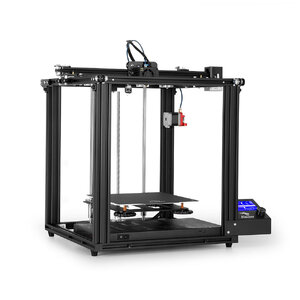


3D Printers
Discover a range of 3D printers at Aus Electronics Direct, suitable for hobbyists, makers, designers and professional applications. Whether you are starting your first 3D printing project or looking for an advanced desktop printing solution, explore different 3D printer technologies, sizes and features to suit your requirements.
Our range includes FDM (Fused Deposition Modelling) 3D printers, resin-based 3D printers and versatile multi-function machines. Choose from popular Creality models, including Ender and CR series printers, as well as resin printers designed for producing highly detailed models and prototypes.
FDM 3D printers use filament materials such as PLA, ABS, PETG and TPU to create durable printed objects layer by layer. Resin 3D printers use UV-curable photopolymer resin to produce detailed models with fine surface finishes.
Compare printing technology, build volume, print speed, resolution and supported materials to find the right 3D printer for your projects.
Shop 3D printers online at Aus Electronics Direct, with fast dispatch from our Sydney warehouse and Australia-wide delivery.
1. Types of 3D Printers
There are several types of 3D printers available, each using different technologies to produce three-dimensional objects. The most common desktop 3D printers are FDM (Fused Deposition Modelling) and resin-based printers. Choosing the right type depends on your printing requirements, preferred materials, desired level of detail and budget.
FDM 3D Printers: FDM printers create objects by heating and extruding plastic filament through a nozzle, depositing material layer by layer. They are popular for general-purpose printing, functional prototypes, household projects and mechanical components. FDM printers commonly support materials such as PLA, ABS, PETG and TPU.
Resin 3D Printers: Resin printers use ultraviolet light to cure liquid photopolymer resin into solid layers. They are particularly suitable for producing highly detailed models, miniatures, prototypes and objects with intricate features. Different resin formulations are available to provide varying finishes and mechanical properties.
Large-Format 3D Printers: Large-format printers feature bigger build volumes, allowing users to produce larger objects or multiple components in a single print. They are useful for product development, workshop projects and applications requiring larger printed parts.
Multi-Function 3D Printers: Some machines combine 3D printing with additional capabilities such as laser engraving or CNC machining. These versatile systems can support a wider range of creative and manufacturing projects.
2. FDM vs Resin 3D Printers
FDM and resin 3D printers are two popular technologies used for desktop 3D printing. While both create three-dimensional objects layer by layer, they differ in their printing processes, materials, surface finishes and applications.
FDM 3D Printers
FDM printers use a heated nozzle to melt and deposit thermoplastic filament onto a build platform. They are suitable for printing functional components, prototypes, brackets, enclosures and larger objects.
Advantages include:
-
Wide selection of filament materials and colours.
-
Generally lower material costs.
-
Suitable for larger printed objects.
-
Easier material handling and general maintenance.
-
Useful for functional prototypes and everyday projects.
Resin 3D Printers
Resin printers use UV light to cure liquid photopolymer resin, creating objects with fine details and smooth surface finishes. They are commonly used for miniatures, detailed models, jewellery prototypes and intricate designs.
Advantages include:
-
Excellent fine-detail reproduction.
-
Smooth surface finishes.
-
Suitable for small and intricate models.
-
Different resin formulations for specialised applications.
Which 3D printer should you choose?
An FDM printer is generally a good choice for users who want versatile material options, larger objects and practical components. A resin printer is more suitable when fine details and surface quality are the main priorities.
Consider your intended applications, material requirements, maintenance preferences and available workspace before choosing between the two technologies.
3. How to Choose the Right 3D Printer
Choosing the right 3D printer involves considering your experience, intended projects, printing materials and budget. With different printer technologies and specifications available, comparing the following features can help you find a suitable machine.
Printing Technology: Decide whether an FDM or resin printer is better suited to your requirements. FDM printers are versatile for general-purpose printing, while resin printers are particularly useful for detailed models.
Build Volume: Check the printer's maximum build dimensions. A larger build volume allows you to produce bigger objects or print multiple smaller components simultaneously.
Print Quality and Resolution: Consider layer height, nozzle diameter and positioning accuracy for FDM printers. For resin printers, examine XY resolution and layer height to understand their ability to reproduce fine details.
Printing Speed: Compare manufacturer-rated printing speeds, while remembering that actual results depend on material, model complexity, layer height and printer settings.
Material Compatibility: Check which filament or resin types are supported by the printer. Some machines offer wider material compatibility than others.
Ease of Use: Features such as automatic bed levelling, touchscreen controls, filament detection and straightforward setup can make printing easier, particularly for beginners.
Budget and Ongoing Costs: Consider the initial printer price as well as ongoing expenses for filament, resin, replacement nozzles, build surfaces and maintenance components.
By comparing these factors, you can select a 3D printer that suits your projects, experience level and available budget.
4. 3D Printer Features and Specifications
Understanding 3D printer specifications makes it easier to compare different models and select the right machine. Important features can affect print quality, operating convenience, material compatibility and the size of objects you can produce.
Build Volume: The maximum printable dimensions, usually expressed as width, depth and height in millimetres. This determines the largest object the printer can produce in one print.
Layer Height: The thickness of each printed layer. Smaller layer heights can produce finer vertical detail and smoother surfaces, although printing may take longer.
Nozzle Diameter: FDM printers commonly use 0.4mm nozzles, although other sizes are available. Smaller nozzles can produce finer details, while larger nozzles can improve material flow and reduce printing time for suitable models.
Print Speed: Indicates how quickly the printer can deposit material. Actual printing speed depends on the machine, material, model geometry and selected print settings.
Heated Print Bed: A heated build platform helps improve first-layer adhesion and can reduce warping when printing certain materials.
Automatic Bed Levelling: Helps measure and compensate for variations in the build surface, making the initial printing process easier.
Direct Drive and Bowden Extrusion: Direct-drive systems position the extruder close to the hotend, while Bowden systems feed filament through a separate tube. Each configuration has different advantages depending on the materials and printer design.
Connectivity: Depending on the model, printers may support USB, SD cards, Wi-Fi or network connectivity for transferring print files and managing jobs.
Compare these specifications when evaluating 3D printers to ensure the selected machine meets your printing requirements.
5. What Materials Can You Use in a 3D Printer?
The materials supported by a 3D printer depend on its technology, hotend temperature, build platform and manufacturer specifications. FDM printers commonly use thermoplastic filament, while resin printers use liquid photopolymer materials.
PLA (Polylactic Acid): PLA is one of the most popular 3D printing filaments. It is generally easy to print and is suitable for decorative objects, prototypes, models and everyday projects.
ABS (Acrylonitrile Butadiene Styrene): ABS is a thermoplastic material valued for its toughness and heat resistance. It generally requires higher printing temperatures and a more controlled printing environment.
PETG (Polyethylene Terephthalate Glycol): PETG combines relatively easy printing characteristics with good toughness and durability. It is commonly used for functional parts, containers and practical components.
TPU (Thermoplastic Polyurethane): TPU is a flexible filament used for printing objects such as protective covers, flexible fittings, grips and other parts requiring elasticity.
UV-Curable Resin: Resin 3D printers use liquid photopolymer materials that harden when exposed to compatible ultraviolet light. Different formulations are available for detailed models, prototypes and specialised applications.
Before selecting a material, check the printer's maximum nozzle temperature, heated bed requirements, enclosure recommendations and supported filament or resin specifications.
6. 3D Printing Applications and Uses
3D printing is used across a wide range of industries, workshops, educational environments and home projects. Its ability to produce customised objects directly from digital designs makes it useful for prototyping, product development, repairs and creative applications.
Prototyping and Product Development: Designers and engineers use 3D printers to create product prototypes, test designs and evaluate components before moving to larger-scale manufacturing.
Engineering and Mechanical Components: FDM printers can produce brackets, mounting hardware, enclosures, fixtures and other functional components using suitable materials.
Hobby and DIY Projects: Makers and hobbyists use 3D printers to create customised accessories, model parts, tools, replacement components and decorative objects.
Education and Learning: Schools, universities and training facilities use 3D printers to teach design, engineering, science and manufacturing concepts through practical projects.
Miniatures and Detailed Models: Resin 3D printers are particularly useful for producing detailed miniatures, figurines, scale models and intricate decorative objects.
Custom Enclosures and Accessories: 3D printing allows users to create customised electronic enclosures, mounting brackets, cable organisers and equipment accessories to suit specific requirements.
Architectural and Design Models: Architects and designers can produce physical representations of buildings, structures and product concepts to support planning and presentations.
With the right printer, materials and digital design software, 3D printing offers a flexible way to turn creative ideas into physical objects.
FAQ
Frequently Asked Questions About 3D Printers
1. What is a 3D printer?
A 3D printer is a machine that creates three-dimensional objects from digital designs. It builds objects layer by layer using materials such as plastic filament or liquid photopolymer resin.
2. What are the different types of 3D printers?
The two common types of desktop 3D printers are FDM and resin printers. FDM printers melt and deposit plastic filament, while resin printers use ultraviolet light to cure liquid photopolymer resin. Each technology has different advantages depending on the required print quality and application.
3. What is the difference between FDM and resin 3D printers?
FDM printers use heated nozzles to deposit melted filament and are suitable for functional parts, prototypes and larger objects. Resin printers cure liquid resin using UV light and are particularly useful for producing detailed models with fine features.
4. What is the best 3D printer for beginners?
A beginner-friendly 3D printer should be easy to assemble, operate and maintain. Features such as automatic bed levelling, straightforward software and a reliable print platform can make learning 3D printing easier. The right choice also depends on budget and intended applications.
5. What materials can a 3D printer use?
FDM 3D printers commonly use PLA, ABS, PETG and TPU filament, depending on the printer's specifications. Resin printers use compatible UV-curable photopolymer resins in different colours and formulations.
6. What does build volume mean on a 3D printer?
Build volume refers to the maximum dimensions of an object that a printer can produce. It is generally expressed as width × depth × height in millimetres. A larger build volume allows users to print bigger objects or multiple smaller objects in one job.
7. What software is needed for 3D printing?
3D printing typically requires slicing software to convert a digital 3D model into instructions the printer can understand. Popular slicing programs include Ultimaker Cura, Creality Print, CHITUBOX and Lychee Slicer, depending on the printer technology.
8. What is the difference between PLA and ABS filament?
PLA is generally easier to print and is commonly used for models, prototypes and decorative objects. ABS offers different mechanical and temperature properties but typically requires higher printing temperatures and more controlled printing conditions.
9. How do I maintain a 3D printer?
Regular maintenance includes cleaning the print bed, checking belts and pulleys, inspecting the nozzle, lubricating moving components where required and keeping the printer free of dust. Resin printers also require appropriate cleaning and inspection of their build plates, resin vats and screens.
10. Can a 3D printer print replacement parts?
Yes. Many 3D printers can produce replacement components, brackets, enclosures, mounts and other useful objects. The suitable material depends on the mechanical strength, temperature resistance and environmental conditions required for the finished part.
11. What accessories do I need for a 3D printer?
Useful accessories include filament, replacement nozzles, build plates, cleaning tools, spare tubing, resin, washing equipment and UV curing machines. The required accessories depend on whether you use an FDM or resin printer.
12. How do I choose the right 3D printer?
Consider your intended applications, printing technology, build volume, supported materials, print resolution, speed, ease of use and budget. Comparing these specifications will help you select a printer that meets your project requirements.
