
-
Filter By Stock
- In Stock (12)
Filter By Brand
- Aus Electronics Direct (15)
Pure Sine Wave Inverters – 12V & 24V DC to 240V AC
Popular Products


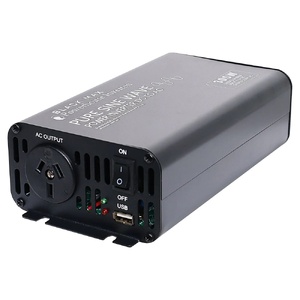

Pure Sine Wave Inverters – 12V & 24V DC to 240V AC
Shop our range of pure sine wave inverters at ausElectronicsDirect. Designed to convert 12V or 24V DC battery power into 240V AC mains electricity, pure sine wave inverters provide a smooth, consistent electrical output suitable for powering a wide range of household appliances, electronic devices and electrical equipment.
Whether you need a compact inverter for camping, a reliable power solution for your caravan or a higher-capacity inverter for off-grid applications, we offer a selection of pure sine wave power inverters in different wattage ratings. Choose from 12V and 24V models with power capacities ranging from compact 180W units through to powerful 2500W inverters.
What Is a Pure Sine Wave Inverter?
A pure sine wave inverter converts direct current (DC) electricity from a battery into alternating current (AC) electricity. Its output waveform closely matches the smooth AC electricity supplied by the mains power grid.
Pure sine wave inverters are particularly suitable for sensitive electronic equipment, appliances with AC motors and devices that require a stable, clean power supply. They can be used for laptops, televisions, audio equipment, battery chargers and other compatible electrical appliances, provided the inverter has sufficient capacity.
What Is the Difference Between Pure and Modified Sine Wave Inverters?
The main difference is the AC output waveform. A pure sine wave inverter produces a smooth waveform, while a modified sine wave inverter produces a stepped waveform.
Pure sine wave models are generally more compatible with sensitive electronics, certain appliances and equipment with motors. Modified sine wave inverters can be a more economical option for compatible basic electrical devices.
Choosing the correct inverter depends on the equipment you intend to operate and its power requirements.
Choosing the Right 12V or 24V Inverter
When selecting a pure sine wave inverter, consider your battery voltage, appliance power consumption and the starting power required by equipment with motors.
-
12V pure sine wave inverters: Suitable for compatible 12V battery systems commonly found in cars, caravans, camping setups and smaller off-grid installations.
-
24V pure sine wave inverters: Designed for compatible 24V battery systems and applications requiring a higher-voltage DC input.
-
300W–600W inverters: Suitable for smaller electrical loads and compatible portable devices.
-
1000W–1500W inverters: Provide greater capacity for running multiple compatible appliances.
-
2000W–2500W inverters: Suitable for higher-power applications where the battery system and installation can support the required current.
Always check the continuous power rating, surge capacity, battery compatibility and appliance requirements before purchasing.
Shop Pure Sine Wave Power Inverters in Australia
Browse our range of 12V and 24V pure sine wave inverters at ausElectronicsDirect. Whether you're setting up a caravan, preparing for camping or building an off-grid power system, find an inverter to suit your electrical requirements.
FAQ
1. What is a pure sine wave inverter?
A pure sine wave inverter is an electrical device that converts DC electricity from a battery into AC electricity with a smooth waveform similar to standard mains power. It is suitable for powering many household appliances, electronic equipment and devices that require stable AC power.
2. What is the difference between a pure sine wave and modified sine wave inverter?
A pure sine wave inverter produces a smooth AC waveform, while a modified sine wave inverter produces a stepped waveform. Pure sine wave models offer broader compatibility with sensitive electronic devices, appliances with motors and equipment requiring clean AC power.
3. What size pure sine wave inverter do I need?
The inverter size depends on the combined running wattage of the appliances you intend to operate. You should also allow for additional starting power required by appliances with motors or compressors. Check both continuous and surge power ratings before choosing an inverter.
4. What is the difference between a 12V and 24V inverter?
A 12V inverter operates from a compatible 12V battery system, while a 24V inverter requires a compatible 24V battery system. A 24V inverter generally draws less DC current than a 12V inverter for the same output power, although the battery bank and installation must be designed accordingly.
5. Can a pure sine wave inverter run a refrigerator?
Yes, a suitably rated pure sine wave inverter can operate a compatible refrigerator. However, refrigerators can require significantly more power when their compressors start. Check the refrigerator's starting surge requirements and ensure the inverter and battery system can supply sufficient power.
6. Can I use a pure sine wave inverter for camping?
Yes. Pure sine wave inverters are useful for camping applications where battery power is required to operate compatible 240V appliances, laptops, chargers and other electrical equipment. Select an inverter that matches your battery voltage and power requirements.
7. How long will a 12V battery run a pure sine wave inverter?
Operating time depends on battery capacity, inverter efficiency and the power consumption of connected appliances. A larger battery capacity generally provides longer operating time. Battery chemistry, allowable depth of discharge and battery condition also affect performance.
8. Can I connect a pure sine wave inverter directly to a solar panel?
Generally, an inverter should not be connected directly to a solar panel unless specifically designed for that arrangement. Most standalone 12V and 24V battery inverters operate from a compatible battery system. A solar charge controller is typically used to regulate charging from the solar panel to the battery.
9. What battery is best for a pure sine wave inverter?
The appropriate battery depends on the inverter's voltage, power requirements and intended operating time. Deep-cycle AGM, lead-acid and lithium batteries can be used with compatible inverter systems. Always check the inverter's input voltage and battery manufacturer's discharge specifications.
10. Are pure sine wave inverters suitable for sensitive electronics?
Yes. Pure sine wave inverters produce an AC waveform similar to mains electricity and are generally better suited to sensitive electronic equipment than modified sine wave alternatives. Check the equipment manufacturer's power requirements to confirm compatibility.
