-
Filter By Stock
- In Stock (17)
Filter By Brand
- Mean Well (21)
Enclosed AC to DC Switchmode Power Supplies
Popular Products
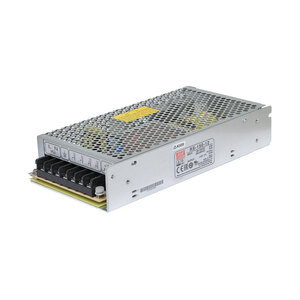
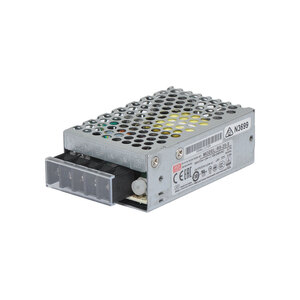
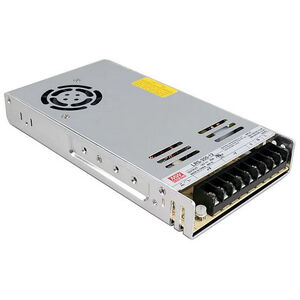
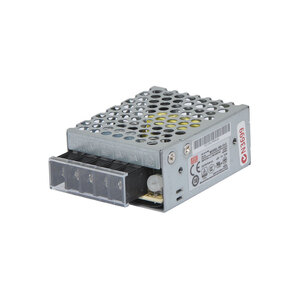
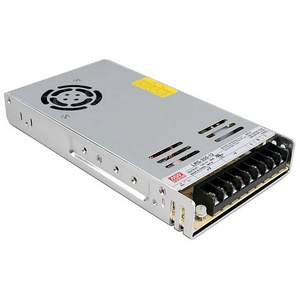
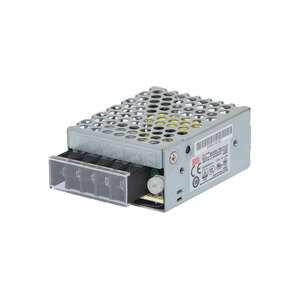
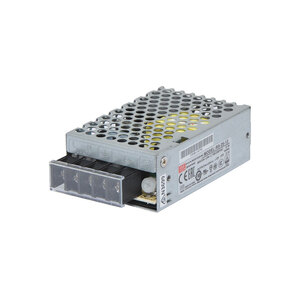
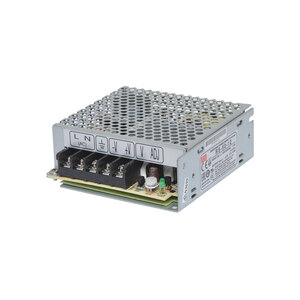
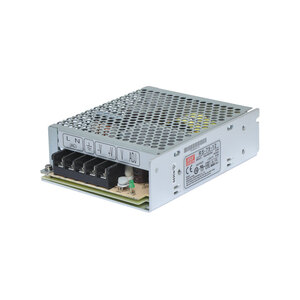
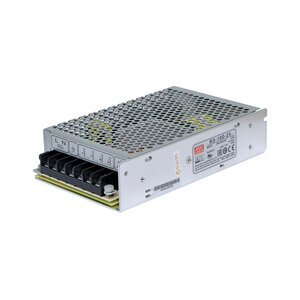
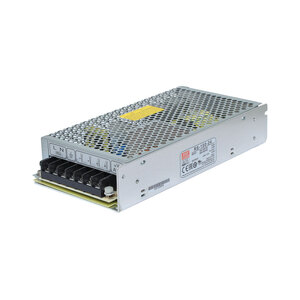
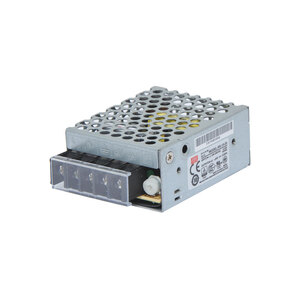
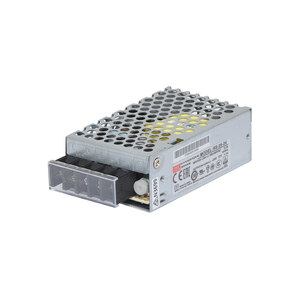
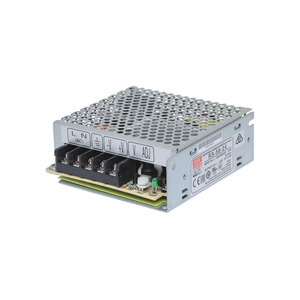
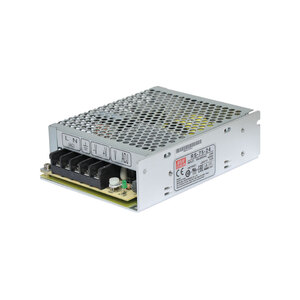
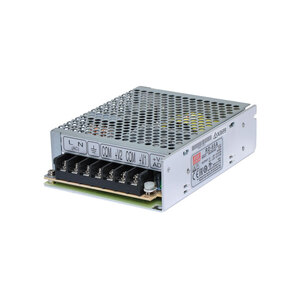
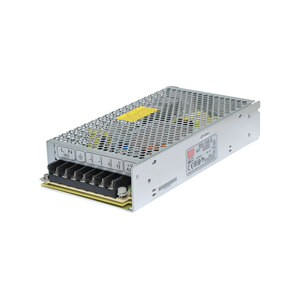
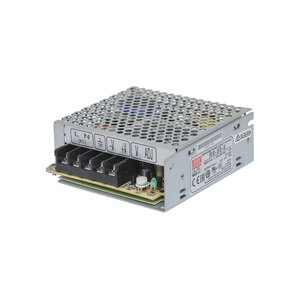
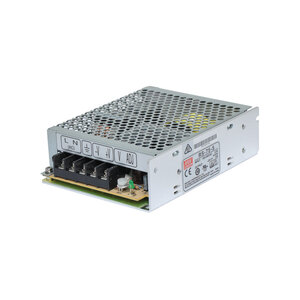
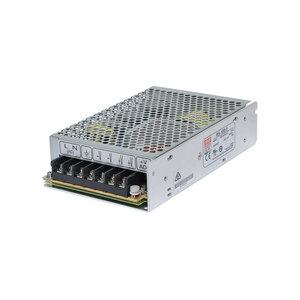
Enclosed AC to DC Switchmode Power Supplies
Shop a wide range of enclosed AC to DC power supplies at Aus Electronics Direct. Our selection includes reliable Mean Well enclosed switchmode power supplies designed to convert AC mains power into regulated DC output for electronic equipment, industrial applications and electrical projects.
Choose from different output voltages, including 5V, 12V and 24V DC, with a variety of wattage and current ratings to suit different power requirements. Whether you need a compact power supply for electronic equipment or a higher-wattage unit for industrial applications, our range offers versatile power solutions.
Types of Enclosed Switchmode Power Supplies
Our range of enclosed AC to DC switchmode power supplies includes different output voltages and power capacities.
-
5V Enclosed Power Supplies: Suitable for compatible electronic devices, embedded systems, digital displays and other low-voltage applications.
-
12V Enclosed Power Supplies: Commonly used for LED lighting, CCTV systems, electronic equipment and control applications.
-
24V Enclosed Power Supplies: Suitable for industrial automation, control systems, electronic equipment and other 24V DC applications.
-
High-Wattage Power Supplies: Designed for applications requiring higher DC output power and current capacity.
Benefits of Enclosed Switchmode Power Supplies
Enclosed switchmode power supplies provide efficient AC to DC power conversion in a compact metal housing. Compared with traditional linear power supplies, switchmode designs generally offer improved power efficiency, reduced size and lower weight.
Depending on the model, features may include universal AC input, regulated DC output, overload protection, overvoltage protection and short-circuit protection. Many models also use ventilated metal enclosures to support passive air cooling.
How to Choose the Right Enclosed AC to DC Power Supply
When selecting an enclosed power supply, consider the required DC output voltage, current rating and total wattage of your equipment. The power supply must provide the correct voltage and sufficient current capacity for the connected load.
For example, a 12V DC device requires a compatible 12V power supply, while a 24V application needs a suitable 24V output. Also consider the physical dimensions, mounting requirements, cooling arrangements and electrical protection features.
Browse our range of enclosed AC to DC switchmode power supplies at Aus Electronics Direct to find a suitable Mean Well power supply for your application.
FAQ
1. What is an enclosed AC to DC power supply?
An enclosed AC to DC power supply is an electrical device that converts alternating current (AC) mains electricity into regulated direct current (DC) power. It is typically housed in a protective metal casing that covers its internal electronic components. Enclosed power supplies are commonly used in industrial equipment, LED lighting, security systems, automation and electronic projects. They are available in different output voltages and wattage ratings to suit various applications.
2. How does an enclosed switchmode power supply work?
An enclosed switchmode power supply (SMPS) converts AC input electricity into a stable DC output using high-frequency switching technology. The internal circuitry rectifies the AC input, switches the electrical current at high frequency and regulates the output voltage using electronic components and feedback control. This design provides efficient power conversion in a relatively compact and lightweight enclosure.
3. What is the difference between an enclosed and open-frame power supply?
The main difference is the protective housing. An enclosed power supply features a metal casing that covers its internal components, while an open-frame power supply exposes its electronic circuitry and is generally designed for installation inside another protective enclosure.
Enclosed power supplies are commonly used in industrial equipment, control panels and standalone installations. Open-frame models are often integrated into electronic devices and equipment where a separate housing provides protection.
4. How do I choose the right AC to DC power supply?
To choose the right AC to DC power supply, consider the following specifications:
-
Output voltage: Match the power supply voltage to your equipment's requirements.
-
Output current: Ensure the supply can provide sufficient current for the connected load.
-
Wattage: Select a power supply with adequate total power capacity.
-
Input voltage: Check that the AC input range is compatible with your mains supply.
-
Physical dimensions: Confirm that the unit fits your installation space.
-
Protection features: Look for overload, overvoltage and short-circuit protection.
Also consider ventilation, operating temperature and the manufacturer's recommended installation requirements.
5. What is the difference between 5V, 12V and 24V power supplies?
The difference is the DC output voltage each power supply delivers.
-
5V power supplies: Commonly used for compatible electronic circuits, embedded systems, digital displays and low-voltage equipment.
-
12V power supplies: Frequently used for LED lighting, CCTV cameras, networking equipment and electronic devices.
-
24V power supplies: Commonly used in industrial automation, control systems, sensors and machinery.
Always select an output voltage that matches the connected equipment's specifications. Using an incorrect voltage can damage electronic components.
6. How do I calculate the wattage required for a power supply?
Power supply wattage can be calculated by multiplying the output voltage by the required current.
\[ P = V \times I \]
Where:
-
P = Power in watts (W)
-
V = Voltage in volts (V)
-
I = Current in amperes (A)
For example, a 12V device drawing 5A requires:
\[ 12V \times 5A = 60W \]
In this example, a 12V power supply rated for at least 60W is required. It is generally advisable to allow additional capacity, often around 20–30%, depending on the application, operating conditions and manufacturer recommendations.
7. What is the difference between voltage, current and wattage?
Voltage, current and wattage describe different aspects of electrical power.
-
Voltage (V): The electrical potential difference that drives current through a circuit.
-
Current (A): The amount of electrical charge flowing through a circuit.
-
Wattage (W): The amount of electrical power being delivered or consumed.
For DC circuits, wattage is calculated by multiplying voltage by current. Understanding these specifications helps ensure you select a power supply that meets your equipment's electrical requirements.
8. What are the benefits of a Mean Well switchmode power supply?
Mean Well switchmode power supplies are widely used in industrial and electronic applications because of their range of output voltages, power ratings and installation options. Depending on the model, features may include:
-
Regulated DC output voltage.
-
High power conversion efficiency.
-
Compact metal enclosure.
-
Overload and overvoltage protection.
-
Short-circuit protection.
-
Universal AC input.
-
Cooling through natural convection or built-in fans.
Always check individual model specifications, as features and protection functions vary across the product range.
9. What applications use enclosed switchmode power supplies?
Enclosed switchmode power supplies are used in many applications requiring reliable AC to DC power conversion, including:
-
Industrial automation and control panels.
-
LED strip lighting and electronic displays.
-
CCTV and security camera systems.
-
Networking and communication equipment.
-
Embedded systems and electronic projects.
-
Manufacturing machinery and control equipment.
-
Instrumentation and monitoring devices.
The required output voltage, current and wattage depend on the connected equipment.
10. Do enclosed power supplies require additional cooling?
Not all enclosed power supplies require additional cooling. Many models are designed to dissipate heat through natural air convection using their metal casing. Higher-wattage models may include built-in cooling fans.
Adequate ventilation is important to prevent overheating and maintain reliable operation. Follow the manufacturer's recommended mounting orientation, clearance distances and operating temperature limits. Avoid installing power supplies in confined spaces without sufficient airflow.
11. What protection features should I look for in an enclosed power supply?
When selecting an enclosed AC to DC power supply, consider these common protection features:
-
Overload protection: Helps protect the power supply when the connected load draws excessive current.
-
Overvoltage protection: Helps prevent excessive output voltage.
-
Short-circuit protection: Helps protect against electrical faults at the output.
-
Overtemperature protection: Helps prevent damage caused by excessive operating temperatures.
-
Input protection: May include protection against certain AC input faults, depending on the model.
Check the manufacturer's datasheet to confirm which protection features are included.
12. Can an enclosed AC to DC power supply be used continuously?
Yes. Many enclosed switchmode power supplies are designed for continuous operation when installed and operated within their specified electrical and environmental limits. However, continuous operation depends on factors such as ambient temperature, output load, ventilation and cooling requirements.
For long-term operation, select a power supply with adequate capacity and follow the manufacturer's derating and installation guidelines.
13. What is universal AC input on a switchmode power supply?
Universal AC input means a power supply supports a specified range of AC input voltages rather than requiring one fixed input voltage. Many models support input ranges such as 85–264V AC, although the exact range varies by product.
This feature allows compatible power supplies to operate across different mains voltage systems. Always check the individual product specifications to confirm its input voltage and frequency range.
14. How do I safely install and wire an enclosed power supply?
Enclosed power supplies commonly have terminals for AC input, DC output and protective earth connections. Safe installation involves:
-
Disconnecting the mains power before installation.
-
Checking the manufacturer's wiring diagram and terminal markings.
-
Confirming the AC input and DC output specifications.
-
Connecting the protective earth terminal where provided and required.
-
Ensuring correct DC output polarity.
-
Securing all wiring connections and protecting exposed terminals.
-
Providing adequate ventilation and suitable mounting clearance.
-
Checking the installation before energising the equipment.
Important: Enclosed power supplies can expose installers to dangerous mains voltages. Mains wiring and installation must be performed by a suitably licensed electrician in accordance with applicable Australian electrical requirements.