-
Filter By Category
- Wearable Development Board | Arduino LilyPad (1)
- Lilypad Wearable Parts and Accessories (1)
-
Filter By Stock
- In Stock (1)
Filter By Brand
- iduino (2)
Arduino LilyPad Wearable Development Board
Popular Products
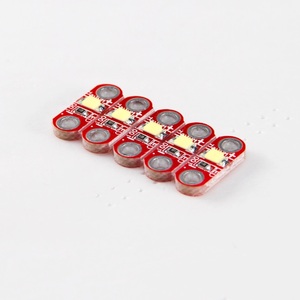
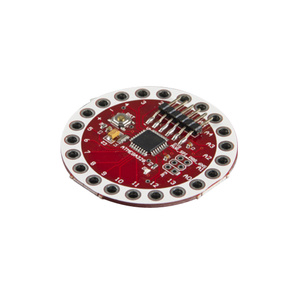
Arduino LilyPad Wearable Development Board
What Is a Wearable Development Board?
A wearable development board is a compact programmable microcontroller designed to be integrated into clothing, textiles and wearable electronic devices. These boards allow electronics enthusiasts, designers and developers to create interactive garments, smart accessories and electronic textile projects.
Unlike conventional development boards, wearable microcontrollers are designed with lightweight construction, compact dimensions and connection points that can be attached to fabric. Many wearable boards feature large conductive pads that allow connections using conductive thread instead of traditional jumper wires.
Wearable development boards are commonly used for smart clothing, interactive fashion, wearable sensors, LED garments and educational electronics projects. Their compatibility with Arduino programming tools makes them accessible to beginners and experienced electronics developers.
What Is an Arduino LilyPad Board?
An Arduino LilyPad board is a type of wearable development board specifically designed for electronic textile projects, commonly known as e-textiles.
The LilyPad design features a lightweight, rounded circuit board with large connection pads that can be sewn into clothing using conductive thread. These connections allow users to integrate LEDs, sensors, switches and other electronic components directly into fabric.
The iDuino LilyPad wearable development board available at Aus Electronics Direct uses an ATmega328 microcontroller with an Arduino bootloader. It is designed with minimal external components to maintain a compact form factor and supports an operating voltage range of 2V to 5V.
LilyPad
Features of Wearable Development Boards
Wearable development boards offer several useful features for creating electronic textile projects:
-
Compact and Lightweight Design: Designed to minimise bulk and weight when integrated into clothing and accessories.
-
Sewable Connection Pads: Large connection points allow conductive thread to be used instead of conventional wiring.
-
Arduino Compatibility: Supports Arduino-based programming and compatible development tools.
-
Microcontroller Functionality: Allows users to program electronic components and create interactive projects.
-
Sensor Integration: Can connect to compatible sensors for monitoring movement, light, temperature and other environmental conditions.
-
LED Control: Supports programmable lighting effects for interactive clothing and wearable accessories.
-
Low-Voltage Operation: Suitable for compatible low-voltage electronic applications.
-
Expandable Design: Can be combined with additional wearable modules, sensors, switches and electronic components.
Technical Specifications of the Wearable Development Board
The iDuino LilyPad wearable development board (TA0009) has the following published characteristics:
|
Specification |
Details |
|---|---|
|
Board type |
Wearable development board |
|
Microcontroller |
ATmega328 |
|
Bootloader |
Arduino bootloader |
|
Operating voltage |
2V–5V |
|
Board design |
Lightweight, round PCB |
|
Connection type |
Large sewable connection pads |
|
Programming environment |
Arduino IDE-compatible |
|
Brand |
iDuino |
|
SKU |
TA0009 |
The manufacturer does not provide a complete pin-count, memory or clock-speed specification on the current product listing. I recommend confirming these details against the actual board revision before publishing additional technical specifications.
What Are Wearable Electronics and E-Textiles?
Wearable electronics are electronic devices integrated into clothing, accessories and other items worn on the body. Electronic textiles, or e-textiles, combine conventional fabrics with electronic components to create interactive and programmable products.
Wearable development boards make it possible to incorporate electronic functionality into fabric without using bulky conventional circuit boards.
Common e-textile components include:
-
Conductive thread for creating electrical connections through fabric.
-
Sewable LED modules for programmable lighting.
-
Wearable sensors for detecting movement and environmental conditions.
-
Battery holders for powering portable electronic projects.
-
Sewable switches for interactive control.
-
Compact microcontroller boards for processing inputs and controlling outputs.
These components can be combined to develop smart garments, interactive accessories and educational wearable technology projects.
What Can You Build with a LilyPad Development Board?
LilyPad wearable development boards can be used in a variety of creative electronics applications.
1. LED Clothing and Interactive Fashion
Create illuminated clothing, costumes and accessories using sewable LED modules and conductive thread. Program different lighting patterns, colours and effects to produce interactive fashion designs.
2. Wearable Sensor Projects
Integrate compatible sensors into clothing to detect movement, light levels, temperature and other environmental conditions.
3. Smart Accessories
Develop interactive bags, hats, backpacks and other accessories with programmable lighting and sensor-based functionality.
4. Educational E-Textile Projects
Use wearable development boards to introduce students to electronics, programming, circuit design and textile-based engineering.
5. Interactive Costumes
Build programmable costumes for performances, events and creative installations using LEDs, switches and wearable electronic components.
6. Prototyping Wearable Technology
Develop experimental wearable devices that combine microcontrollers, sensors and fabric-based electrical connections.
LilyPad vs Arduino Micro vs Arduino Nano
Choosing the right development board depends on the type of project, physical installation requirements and connectivity needs.
|
Feature |
LilyPad Wearable Board |
Arduino Micro |
Arduino Nano |
|---|---|---|---|
|
Primary application |
Wearable electronics |
Compact electronics and USB projects |
General prototyping |
|
Typical design |
Round PCB with sewable pads |
Compact rectangular PCB |
Small rectangular PCB |
|
Microcontroller |
ATmega328 |
ATmega32U4 |
ATmega328P (classic Nano) |
|
Operating voltage |
2–5V for TA0009 |
5V |
Typically 5V |
|
USB programming |
Depends on board; TA0009 requires external programming connection |
Built-in USB |
Built-in USB interface |
|
Fabric integration |
Designed for sewing into textiles |
Not specifically designed for sewing |
Not specifically designed for sewing |
|
Typical applications |
Smart clothing and e-textiles |
USB controllers and embedded projects |
Breadboard prototyping |
The LilyPad is the most suitable choice for projects involving fabric and conductive thread. The Arduino Micro is useful for compact applications requiring native USB functionality, while the Nano is convenient for general electronics prototyping.
Note: The comparison refers to the listed TA0009 LilyPad-style board and typical classic Arduino board configurations. Specifications vary between models.
How to Program a Wearable Development Board
Wearable development boards based on the ATmega328 can be programmed using the Arduino IDE and compatible programming hardware.
The iDuino LilyPad TA0009 uses an ATmega328 microcontroller with an Arduino bootloader. As the board does not list an onboard USB interface, an appropriate external USB-to-serial programming adapter may be required.
A typical setup involves:
-
Install the Arduino IDE on your computer.
-
Connect a compatible USB-to-serial adapter to the board's programming connections.
-
Ensure the adapter's voltage levels are compatible with the wearable board.
-
Select the appropriate board and processor settings in the Arduino IDE.
-
Write or select a program for your wearable project.
-
Upload the program and test the connected electronic components.
Once programmed, the board can control compatible LEDs, sensors, switches and other electronic components.
How to Choose the Right Wearable Development Board
Before purchasing a wearable development board, consider the following factors:
-
Board Dimensions: Choose a compact, lightweight design that can be comfortably integrated into clothing or accessories.
-
Connection Design: Look for sewable connection pads that support conductive thread.
-
Operating Voltage: Ensure the board is compatible with the voltage requirements of your sensors and other components.
-
Microcontroller: Check the processor and available memory to ensure they meet your project's programming requirements.
-
Power Supply: Consider whether the project will use a battery or another suitable low-voltage power source.
-
Sensor Compatibility: Check that the board supports the communication and connection requirements of your wearable sensors.
-
Programming Requirements: Confirm whether the board has onboard USB connectivity or requires an external programming adapter.
Essential Accessories for Wearable Electronics Projects
To build a complete wearable electronics project, consider combining your development board with compatible accessories:
-
Conductive Thread: Creates electrical connections between sewable electronic components.
-
Sewable LED Modules: Add programmable lighting to clothing and accessories.
-
Wearable Sensors: Detect movement, temperature, light and other environmental conditions.
-
Battery Holders: Provide portable power for wearable devices.
-
USB-to-Serial Adapters: Support programming of compatible boards without onboard USB.
-
Connecting Wires: Useful for testing and prototyping circuits before sewing components into fabric.
-
Switches: Provide manual control over wearable electronic functions.
These accessories help turn a basic microcontroller into a complete wearable electronics system.