
-
Filter By Category
- Battery Chargers | Li-ion, AA, RC & 12V (97)
- 12V Battery Chargers | Car & Lithium Chargers (33)
- 18650 Battery Chargers – Single & Dual Slot (5)
- Battery Pack Charger (7)
- Li-ion Battery Chargers – 18650 & USB Chargers (4)
- NiMH & NiCd RC Battery Chargers (4)
- RC Battery Charging Cables & Leads (44)
- Power Adapters | AC to DC Power Supplies (4)
- Variable Power Supplies & Adjustable DC Power Adapters (4)
- RC Battery Chargers | LiPo & Balance Chargers (394)
- 12V Charger (34)
- 240V RC Battery Chargers | Aus Electronics Direct (93)
- Balance Battery Chargers | LiPo & Li-ion (74)
- LiPo Battery Chargers | RC Balance Chargers (74)
- Ni-Cad & Ni-Mh Battery Charger (47)
- RC Battery Charging Cables & Leads (49)
- USB Battery Pack Chargers Australia (23)
- RC Leads & Connectors | Battery Plugs & Cables (50)
- Deans Connectors, T-Plugs & RC Battery Adapters (6)
- RC Wire & Cable – Silicone Wire and Hobby Leads (43)
- XT150 Connectors, Male & Female Plugs for RC Batteries (1)
- RC Spare Parts | RC Car, Truck & Hobby Parts (2)
- Hospeed Spare Parts (1)
- Radios & Receivers (1)
-
Filter By Stock
- In Stock (115)
Filter By Brand
- Aus Electronics Direct (35)
- EV Peak (9)
- G.T. Power (4)
- GT Power (28)
- Hosim (1)
- Imax (1)
- SkyRC (34)
- Tornado (49)
- Victron (9)
- XinLeHong (2)
RC Battery Charger
Popular Products
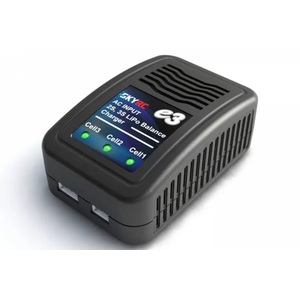
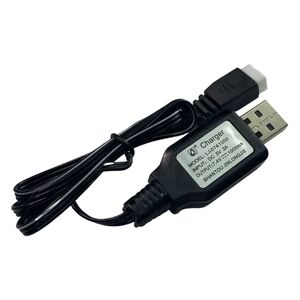
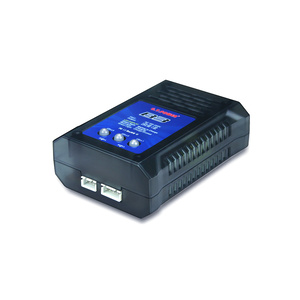
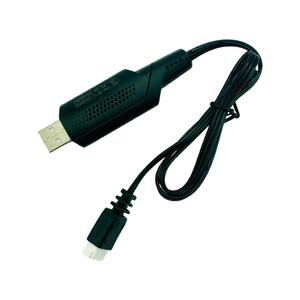
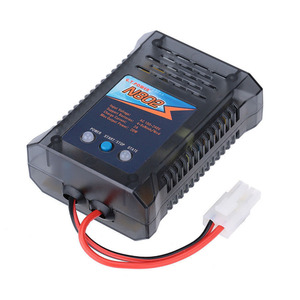
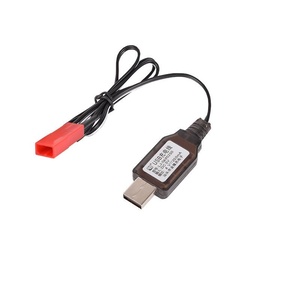
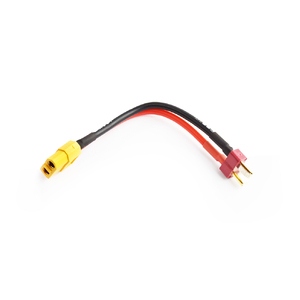
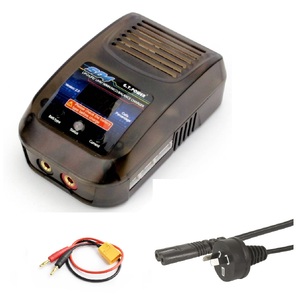
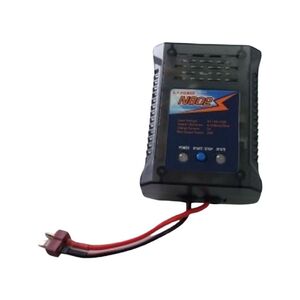
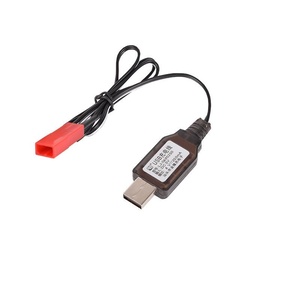
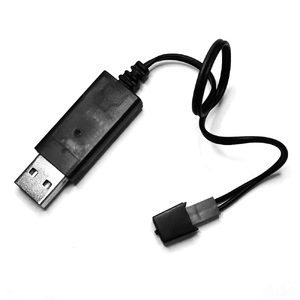
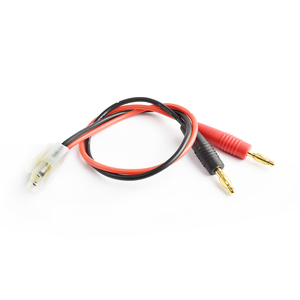
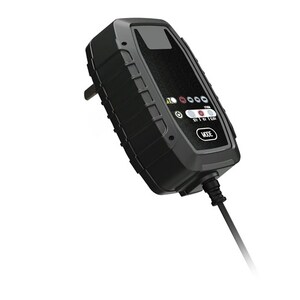
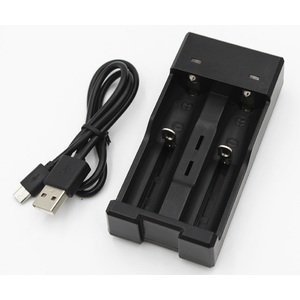
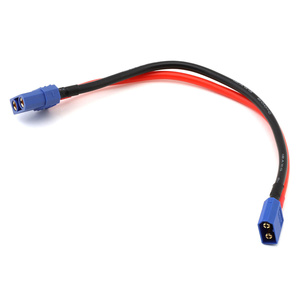
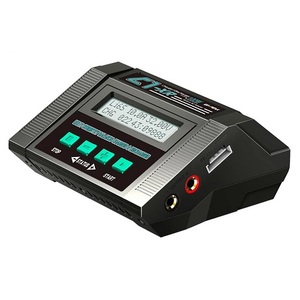
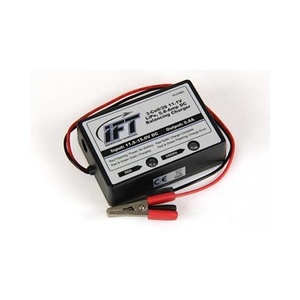
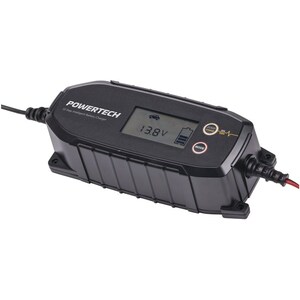
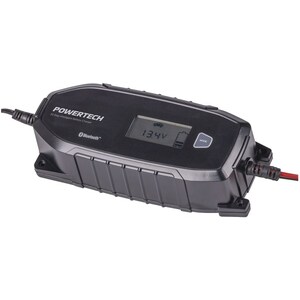
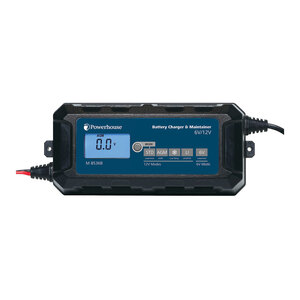
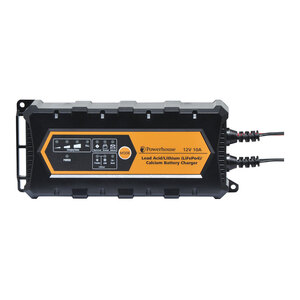
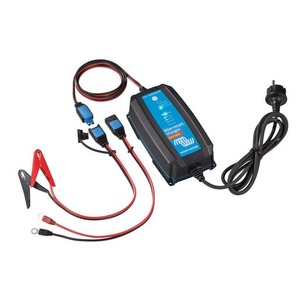
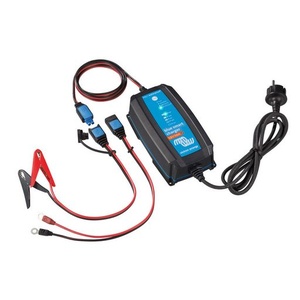
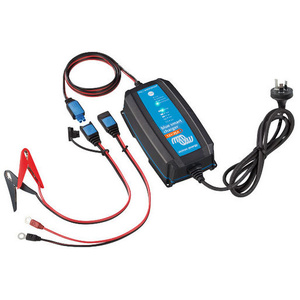
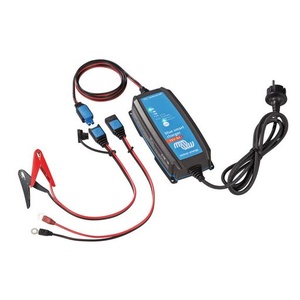
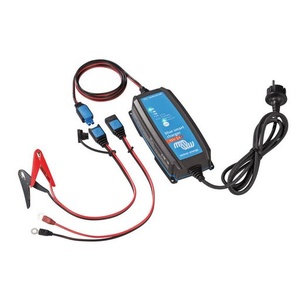
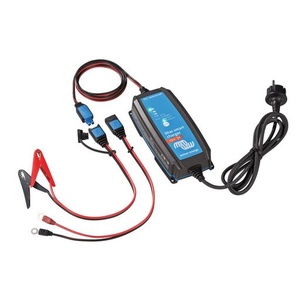
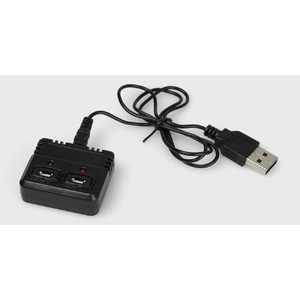
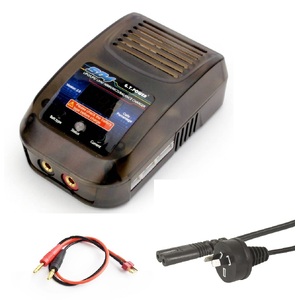
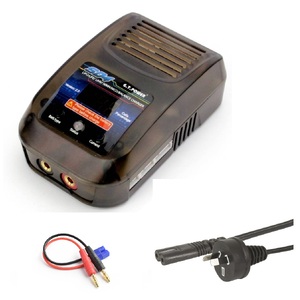
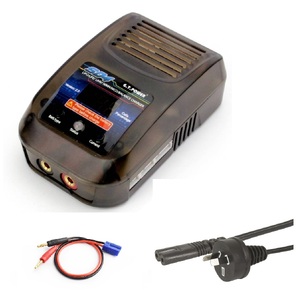
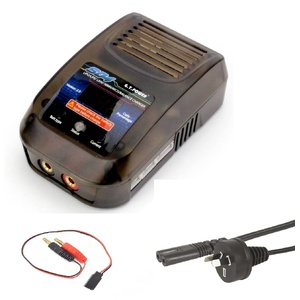
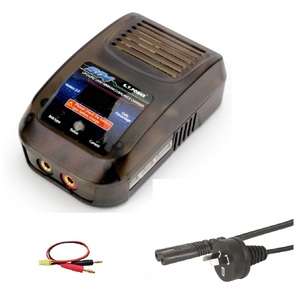
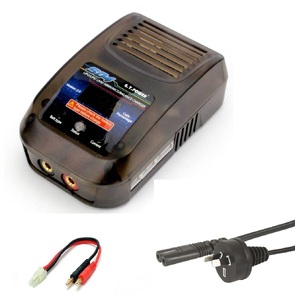
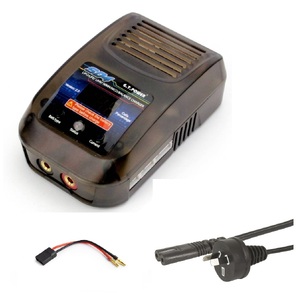
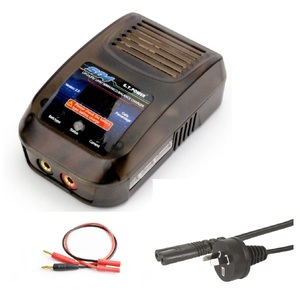
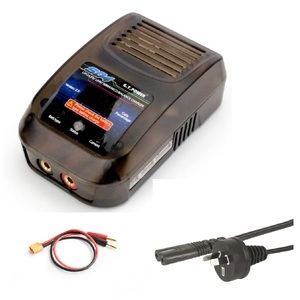
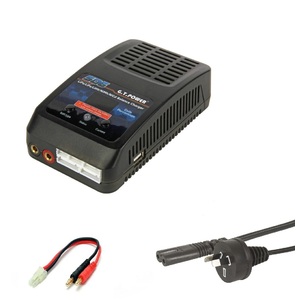
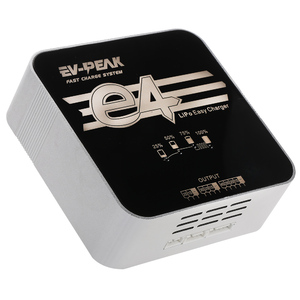
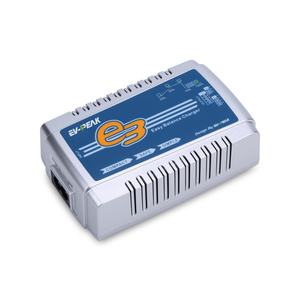
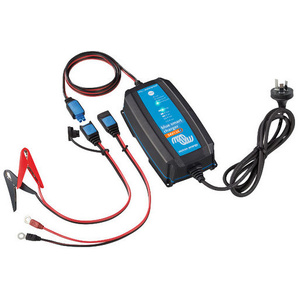
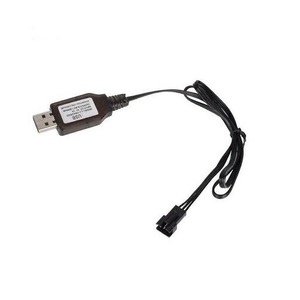
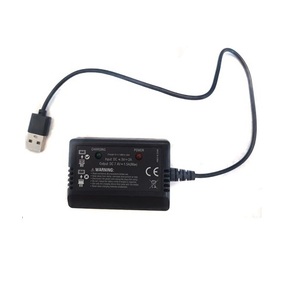
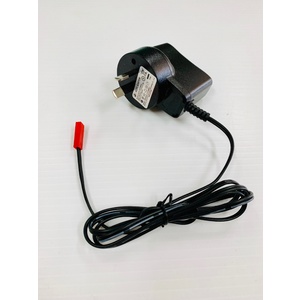
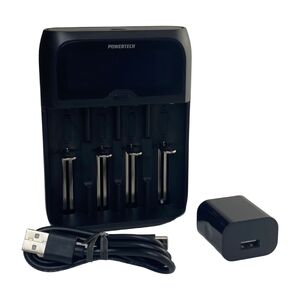
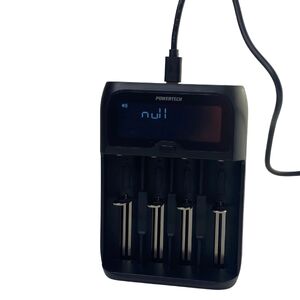
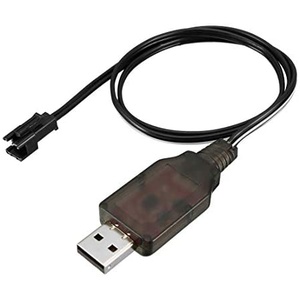
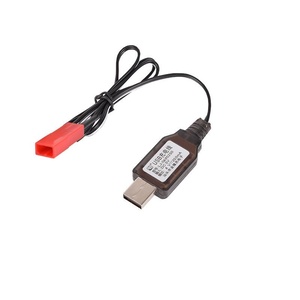
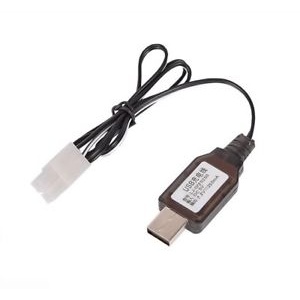
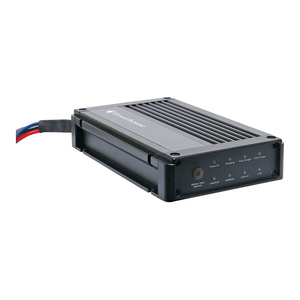
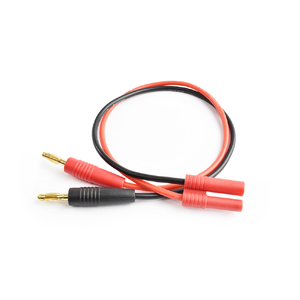
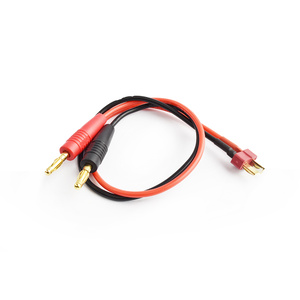
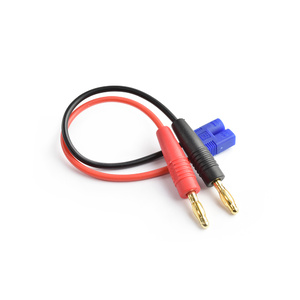
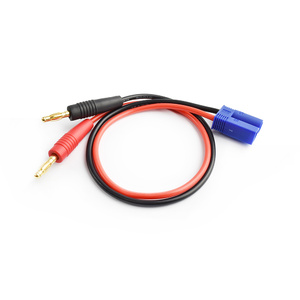
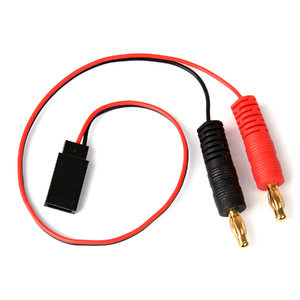
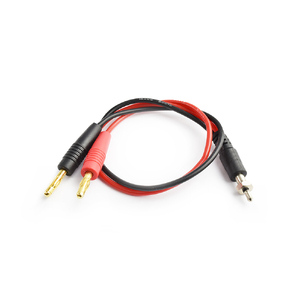
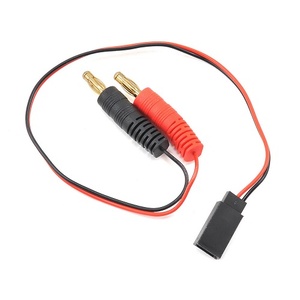
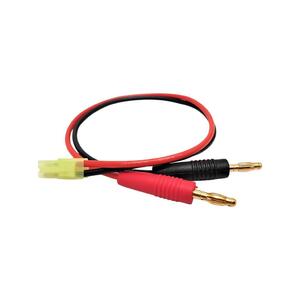
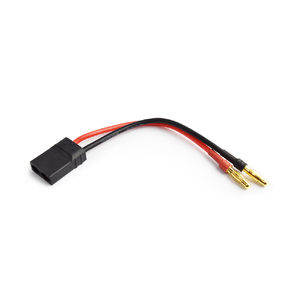
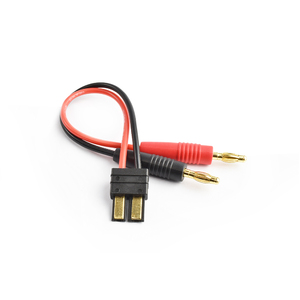
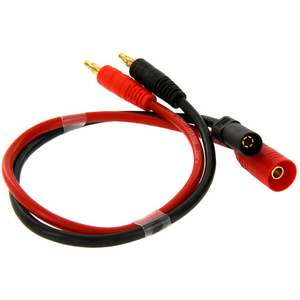

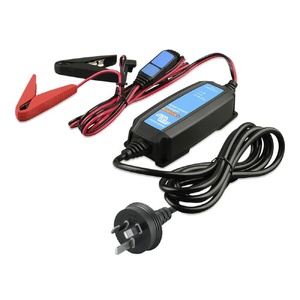
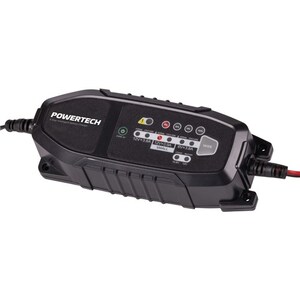
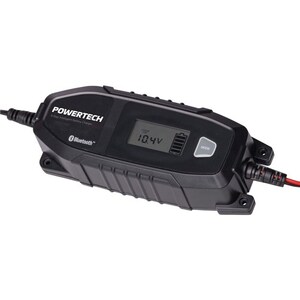
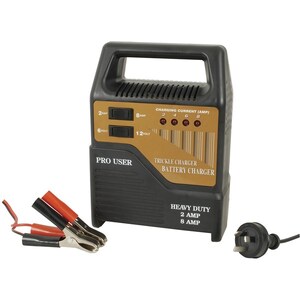
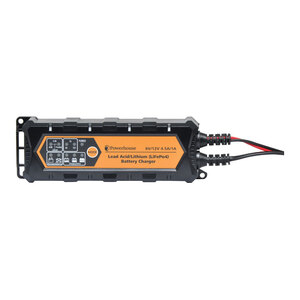
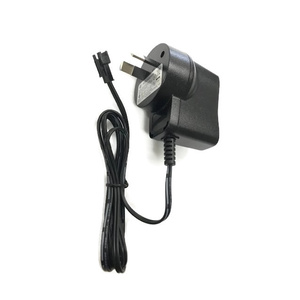
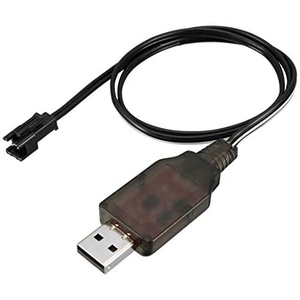
RC Battery Charger
-
LiPo Battery Chargers: Designed for lithium polymer batteries commonly used in RC cars, trucks, planes and drones.
-
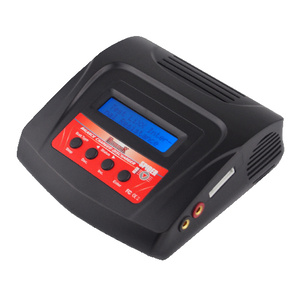
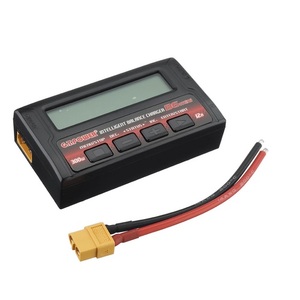
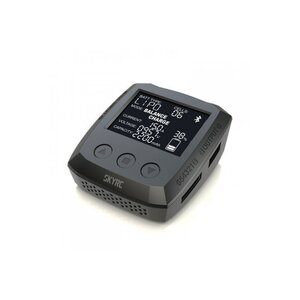
LiPo Balance Chargers: Balance individual cells within a multi-cell LiPo battery pack to help maintain consistent cell voltages.
-
NiMH Battery Chargers: Designed for nickel-metal hydride batteries commonly used in RC vehicles and rechargeable battery packs.
-
NiCd Battery Chargers: Suitable for compatible nickel-cadmium rechargeable battery packs.
-
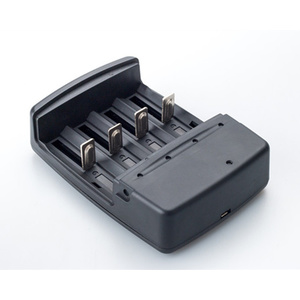
Li-ion Battery Chargers: Designed for compatible lithium-ion rechargeable batteries.
-
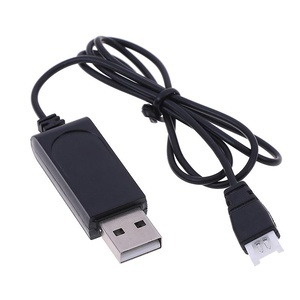
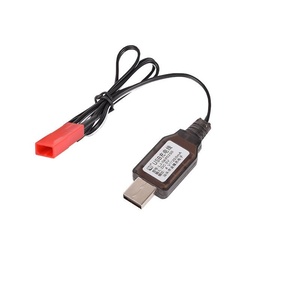
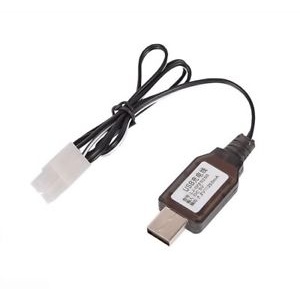
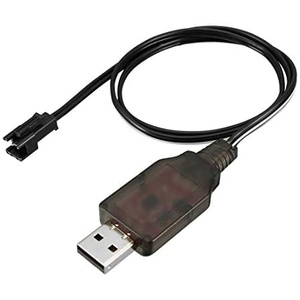
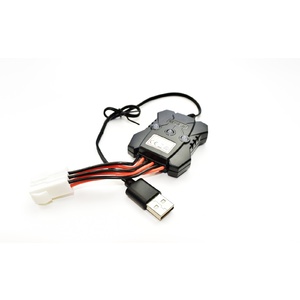
USB Battery Chargers: Compact charging options for compatible smaller RC battery packs.
How to Choose the Right RC Battery Charger
-
Battery chemistry: Ensure the charger supports the battery type, such as LiPo, Li-ion, NiMH or NiCd.
-
Cell count: Match the charger to the battery configuration, such as 2S, 3S, 4S or 6S.
-
Charging current: Select an appropriate charging current based on the battery capacity and manufacturer's recommended charging rate.
-
Charging power: Check the charger's wattage to ensure it can support the required charging current at the battery voltage.
-
Input voltage: Consider whether you need a 240V AC mains charger, 12V DC charger or USB-powered charger.
-
Connector compatibility: Check that the charger has compatible balance and charging connectors, such as JST-XH, Tamiya or other supported connections.
Why Use a LiPo Balance Charger?
A LiPo balance charger is essential for maintaining the performance, reliability and safety of lithium polymer (LiPo) batteries used in RC cars, trucks, planes, drones and other radio-controlled models.
Unlike standard charging methods, a LiPo balance charger monitors the voltage of each individual cell within a battery pack and helps keep the cells at consistent voltage levels during charging. This is particularly important for multi-cell batteries such as 2S, 3S, 4S and 6S LiPo packs.
Key benefits of using a LiPo balance charger include:
-
Balanced cell voltages: Helps ensure individual cells maintain similar voltage levels, reducing the risk of cell imbalance.
-
Improved battery performance: Consistent cell voltages help maintain reliable battery operation.
-
Extended battery lifespan: Proper charging and cell balancing can help reduce unnecessary battery stress.
-
Improved charging safety: Helps prevent individual cells from exceeding their recommended voltage limits when used correctly.
-
Multi-cell compatibility: Many balance chargers support different LiPo configurations, including 2S, 3S, 4S and 6S batteries.
When selecting a LiPo balance charger, check that it supports your battery's cell count, charging current, capacity requirements and balance connector type, such as JST-XH.
For the best results, always use a charger specifically designed for LiPo batteries and follow the battery manufacturer's charging recommendations. Never leave a LiPo battery unattended while charging.
FAQ
What is an RC battery charger?
An RC battery charger is a device designed to recharge batteries used in radio-controlled vehicles, aircraft and other hobby electronics. Depending on the model, it may support LiPo, Li-ion, NiMH or NiCd battery chemistry.
2. What is a LiPo balance charger?
A LiPo balance charger is designed to charge lithium polymer battery packs while monitoring and balancing the voltage of individual cells. This helps keep the cells at consistent voltage levels and supports safer battery charging when used correctly.
3. What does 2S, 3S, 4S and 6S mean on an RC battery charger?
The S rating indicates the number of cells connected in series within a battery pack. A 2S battery has two cells, a 3S battery has three cells, and a 6S battery has six cells. The charger must support the corresponding cell count and battery voltage.
4. How do I choose the right charger for my RC LiPo battery?
Check the battery chemistry, cell count, capacity, recommended charging current and connector type. Choose a charger that supports the battery's specifications and has sufficient charging power for your requirements.
5. What is the difference between a balance charger and a standard battery charger?
A standard charger supplies charging current to the battery, while a balance charger also monitors and adjusts the voltage of individual cells in a multi-cell battery pack. Balance charging is particularly important for multi-cell LiPo batteries.
6. Can I use a LiPo charger for a NiMH battery?
Only if the charger specifically supports NiMH charging. LiPo and NiMH batteries have different charging requirements, so using an incompatible charging mode can damage the battery or create a safety risk.
7. What charging current should I use for an RC LiPo battery?
The recommended charging current depends on the battery capacity and manufacturer's specifications. A common reference is 1C charging, which means charging at a current equal to the battery capacity in amp-hours. For example, a 2200mAh battery charged at 1C uses 2.2A. Always follow the battery manufacturer's recommended charging rate.
8. How long does it take to charge an RC LiPo battery?
Charging time depends on battery capacity, charging current, charger power and the battery's initial charge level. A 2200mAh battery charged at 2.2A may take approximately one hour under ideal conditions, although balancing and charging stages can increase the total time.
9. Can I charge a 3S LiPo battery with a 2S charger?
No. A charger designed only for 2S batteries cannot correctly charge a 3S LiPo battery. Always use a charger that supports the exact cell count and voltage of your battery pack.
10. What is the difference between LiPo and NiMH RC battery chargers?
LiPo chargers use a constant-current and constant-voltage charging process and typically include cell balancing for multi-cell packs. NiMH chargers use a different charging method designed for nickel-metal hydride chemistry. The two charger types are not interchangeable unless the charger specifically supports both.
11. Can I use a USB charger for an RC battery?
Yes, provided the USB charger is specifically designed for the battery type, voltage and connector. Some smaller RC battery packs have dedicated USB charging cables, but larger multi-cell LiPo batteries generally require a compatible balance charger.
12. Where can I buy RC battery chargers in Australia?
You can shop for RC battery chargers online at Aus Electronics Direct. Explore LiPo balance chargers, NiMH and NiCd chargers, USB battery chargers and other charging options for your RC vehicles and hobby projects.