
-
Filter By Category
- RC Boats | Remote Control Racing & Speed Boats (1)
- Brushless RC Boats | High Speed RC Racing Boats (1)
- RC Construction Vehicles | Excavators & Trucks (1)
- RC Construction Trucks | Dump & Mining Trucks (1)
- RC Planes | Remote Control Planes & Gliders (4)
- RC Plane Spare Parts | Motors, Props & More (4)
- RC Radios & Receivers | Transmitters & Kits (68)
- RC Radio Controllers & Transmitters for RC Cars (15)
- RC Radio Receivers – 2.4GHz FlySky Receivers (21)
- RC Transmitter & Receiver Kits for RC Models (32)
- RC Spare Parts | RC Car, Truck & Hobby Parts (57)
- Hospeed Spare Parts (3)
- Radios & Receivers (52)
- River Hobby FTX Spare Parts (1)
- San He Spare Parts (1)
- RC Trucks | Monster Trucks & Off-Road RC Vehicles (2)
- 1:14 RC Trucks | 1:14 Scale Remote Control Trucks (1)
- Beginner RC Trucks | Kids & Entry-Level RC Trucks (1)
-
Filter By Stock
- In Stock (36)
Filter By Brand
- Absima (9)
- Aus Electronics Direct (6)
- Fly Sky (38)
- FMS (4)
- Haiboxing (1)
- Hosim (3)
- Huina (2)
- River Hobby (1)
- SanHe (1)
- UDI (1)
- WL A180 (1)
- WLtoys (2)
RC Radios, Transmitters & Receivers
Popular Products
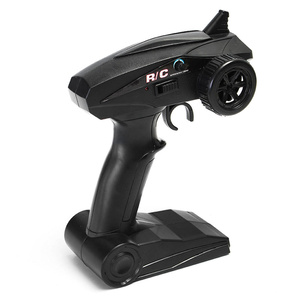
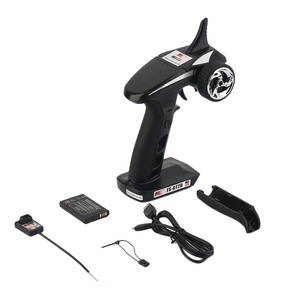
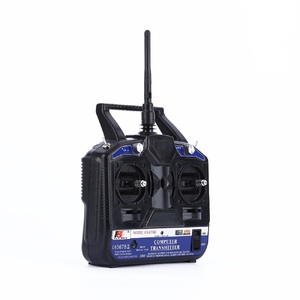
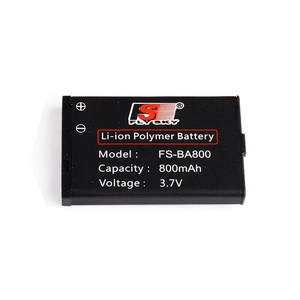
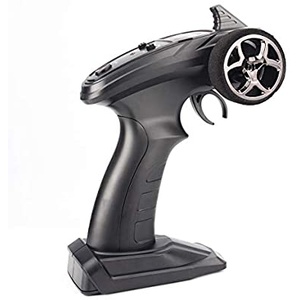
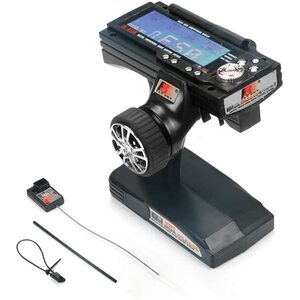
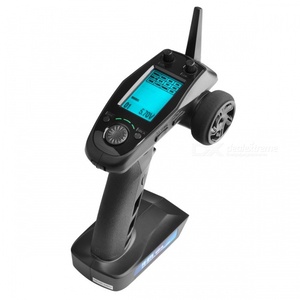
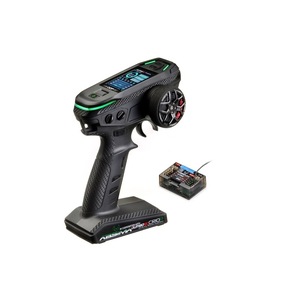
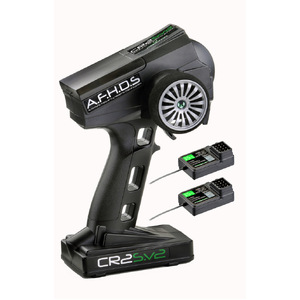
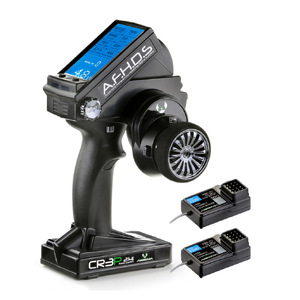
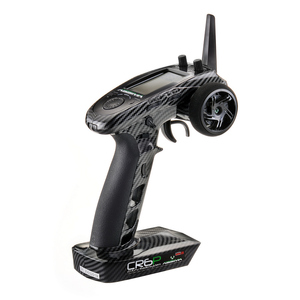
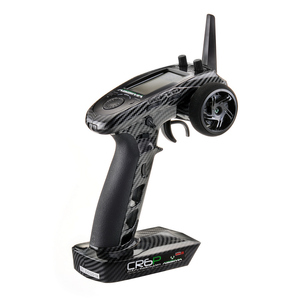
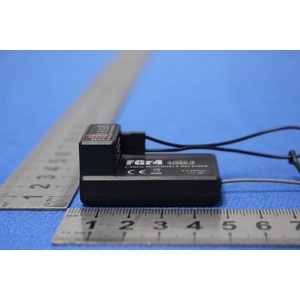
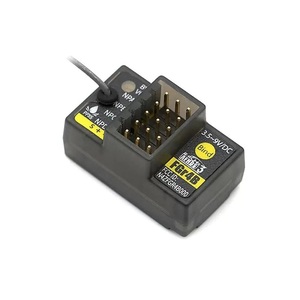
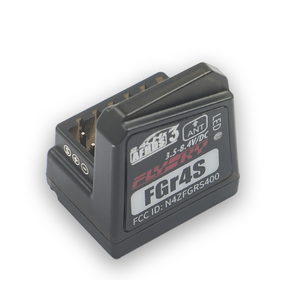
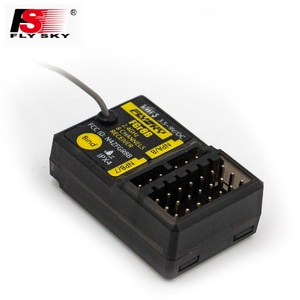
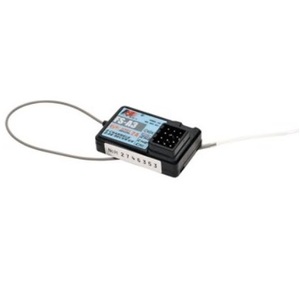
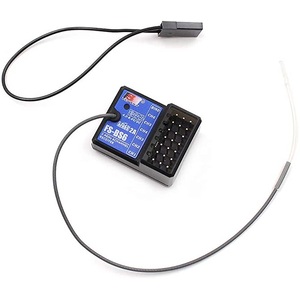
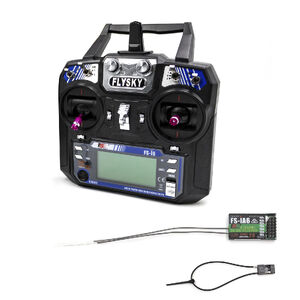
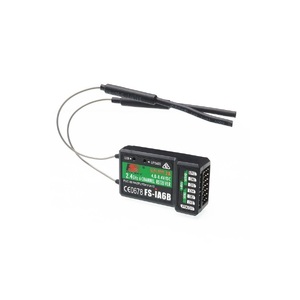
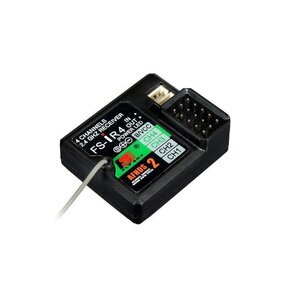
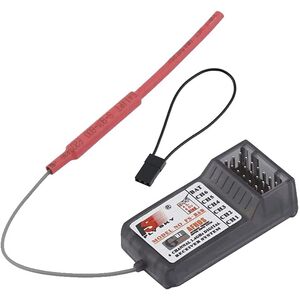
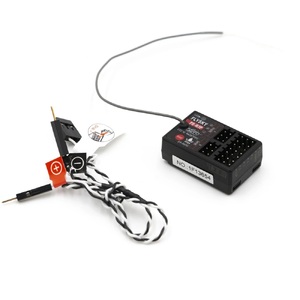
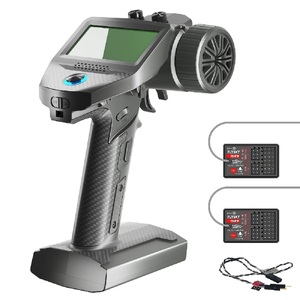
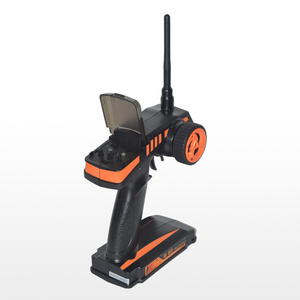
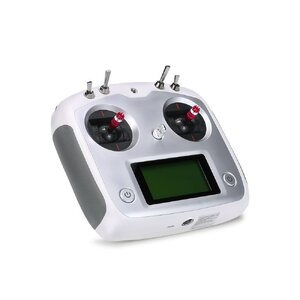
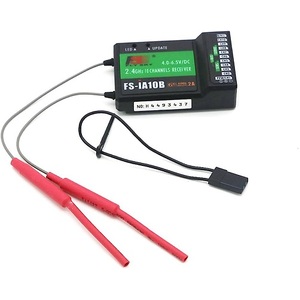
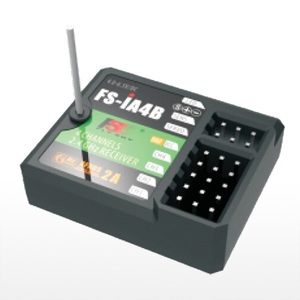
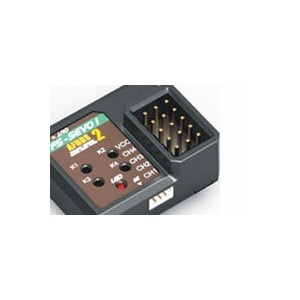

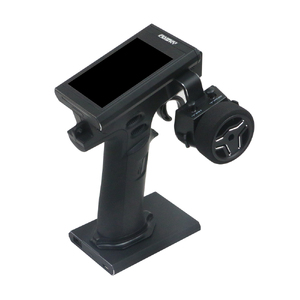
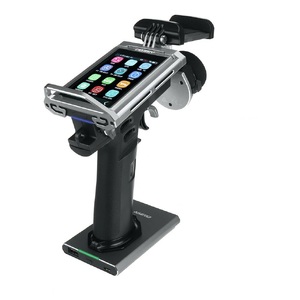
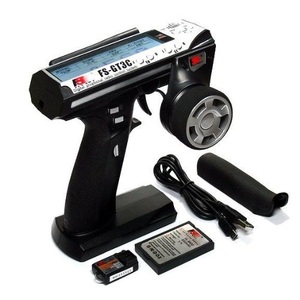
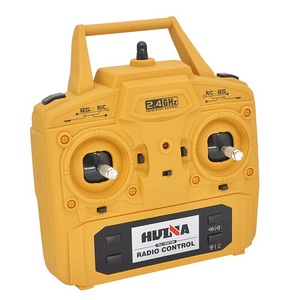
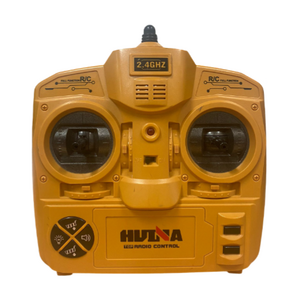
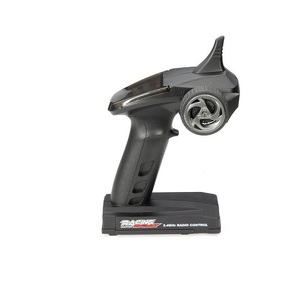

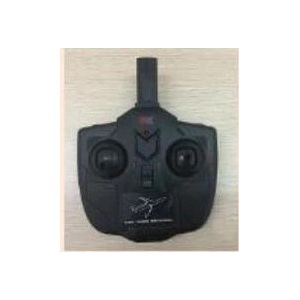
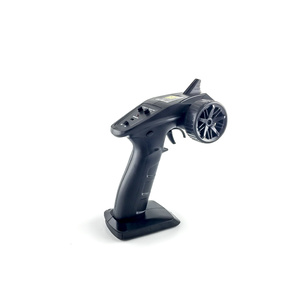
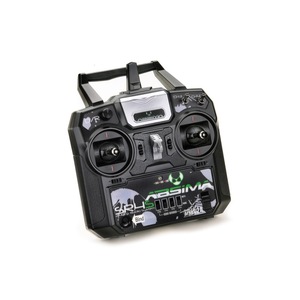
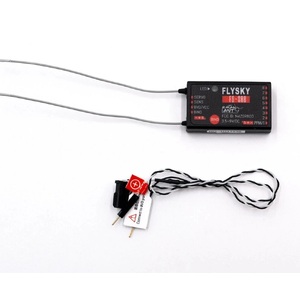
RC Radios, Transmitters & Receivers
Shop RC radios, transmitters and receivers at Aus Electronics Direct. Whether you're upgrading an RC car, replacing a damaged controller or setting up an RC boat or aircraft, explore radio control systems for a range of hobby applications.
Choose from 2.4GHz transmitters, complete transmitter and receiver kits, multi-channel radio systems and compatible standalone receivers. Before purchasing, check receiver compatibility, channel requirements and supported features to ensure your radio system suits your model.
Browse our range of RC radio controllers and receivers to find the right equipment for your next hobby project.
Choosing an RC Radio System
An RC radio system allows you to control a radio-controlled vehicle or model wirelessly. It typically consists of a transmitter, which sends control commands, and a receiver, which receives those commands and communicates with the vehicle's electronic components.
RC radio systems are used in remote control cars, trucks, boats, aircraft and other hobby models. The right system depends on the type of model, the functions you want to control and compatibility with your existing electronics.
RC Transmitters and Radio Controllers
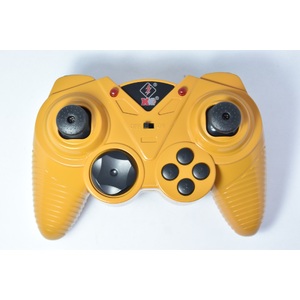
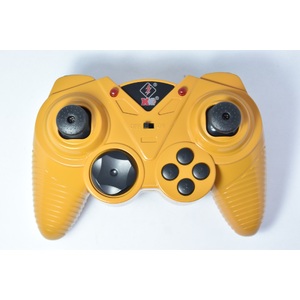
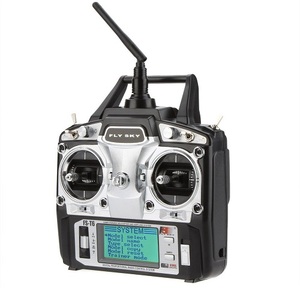
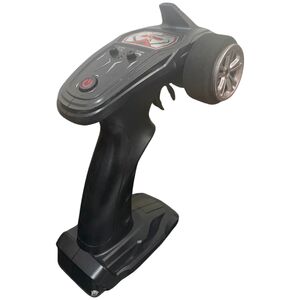
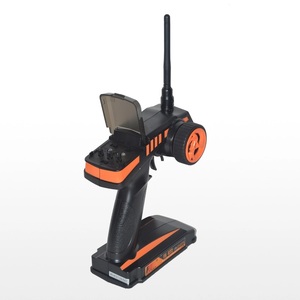
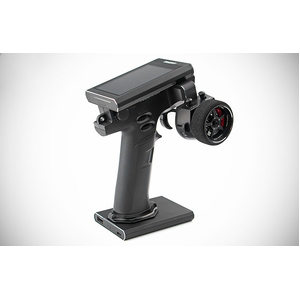
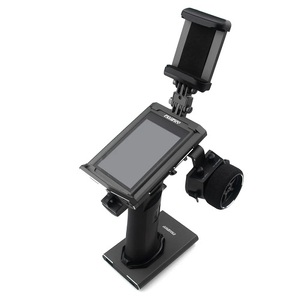
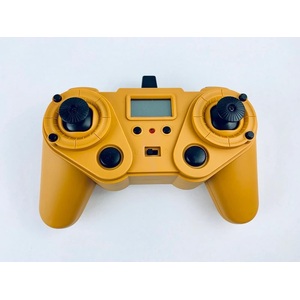
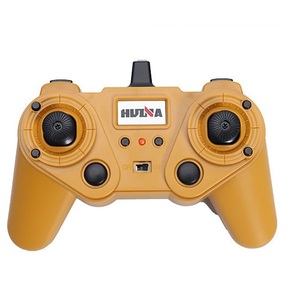
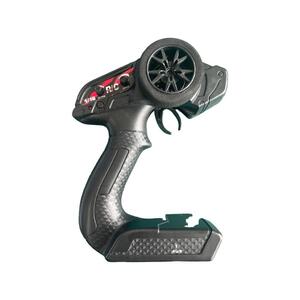
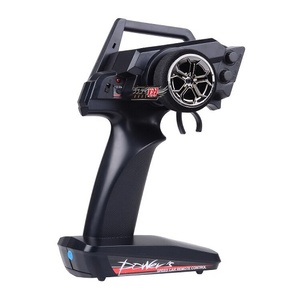
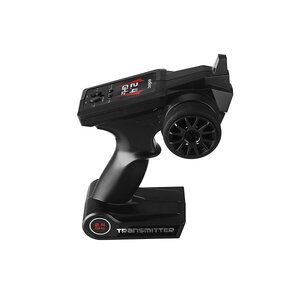
An RC transmitter is the handheld controller used to operate a radio-controlled model. Depending on the transmitter and vehicle, it can control steering, throttle, braking and additional functions such as lights or auxiliary accessories.
When choosing an RC transmitter, consider the number of channels, supported radio protocol, control layout and compatibility with your receiver. A transmitter designed for a particular radio system may not work with receivers from other manufacturers, even if both operate on 2.4GHz.
RC Radio Receivers
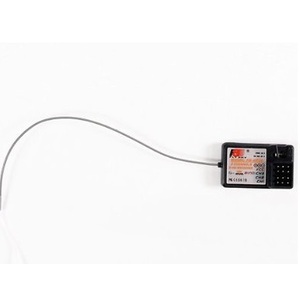
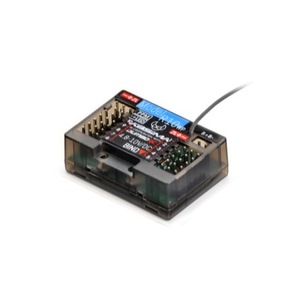
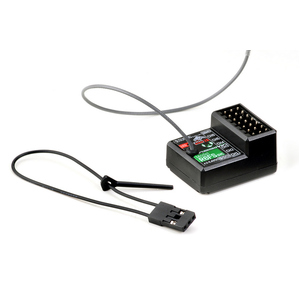
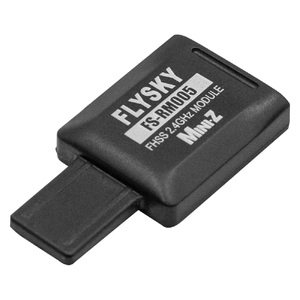
An RC receiver is installed in the vehicle or model and receives signals from the transmitter. It sends the appropriate control commands to connected components such as the electronic speed controller and steering servo.
Receivers are available with different channel configurations and features. Check the receiver's supported protocol, dimensions, connections and compatibility with your transmitter before purchasing a replacement or upgrade.
What Is a 2.4GHz RC Radio System?
A 2.4GHz RC radio system uses the 2.4GHz radio frequency band to communicate between a transmitter and receiver. These systems are commonly used in modern RC cars, trucks, boats and aircraft.
However, operating on the same frequency does not automatically make two radio systems compatible. Different brands and models may use different communication protocols and binding procedures. Always check the manufacturer's compatibility information.
How Many Channels Do I Need?
The number of channels determines how many independent functions a radio system can control.
A basic RC car generally needs channels for steering and throttle. Additional channels can be used for functions such as lights, winches, auxiliary controls or other equipment, depending on the model.
Choose a transmitter and receiver with enough channels for the functions you intend to operate. Remember that the number of available channels and supported features must be compatible across the radio system.
Replacing an RC Receiver
If your RC vehicle has lost radio connection or its receiver is damaged, a replacement receiver may be required. Before ordering, identify the transmitter model and radio protocol used by your existing system.
Check the receiver's channel configuration, physical size, power requirements and connections. Some receivers also support features such as telemetry or failsafe settings, which may be important for your application.
RC Radio Systems for Different Models
RC radio systems are used across a range of hobby applications, including cars, trucks, boats and aircraft. The control requirements can vary between models.
For an RC car or truck, consider steering and throttle control, receiver mounting space and compatibility with the electronic speed controller. For aircraft or other models with more control functions, check the channel requirements and transmitter features carefully.
Always follow the manufacturer's setup instructions and test the radio system and failsafe settings before operating your model.
Frequently Asked Questions About RC Radios and Receivers
1. What is an RC radio transmitter?
An RC radio transmitter is a handheld controller that sends wireless commands to a compatible receiver installed in a radio-controlled vehicle or model. It allows the operator to control functions such as steering, throttle, braking and auxiliary features.
2. What does an RC receiver do?
An RC receiver receives signals from a compatible transmitter and sends control commands to connected electronic components. In an RC car, this commonly includes the steering servo and electronic speed controller.
3. Are all 2.4GHz RC transmitters and receivers compatible?
No. Although many RC systems use the 2.4GHz frequency band, different manufacturers and models may use different communication protocols. Check the specific transmitter and receiver compatibility before purchasing.
4. How many channels do I need for an RC car?
A basic RC car typically uses two channels for steering and throttle. Additional channels may be required for lights, winches or other auxiliary functions. Choose a radio system that supports the functions you need.
5. Can I replace my RC receiver without replacing the transmitter?
Yes, provided the replacement receiver is compatible with your existing transmitter and radio protocol. Check the receiver's channel configuration, binding procedure and connections before purchasing.
6. What is the difference between an RC transmitter and receiver?
The transmitter is the handheld controller that sends commands. The receiver is installed in the RC model and receives those commands, passing them to the vehicle's electronic components.
7. What is an RC transmitter and receiver kit?
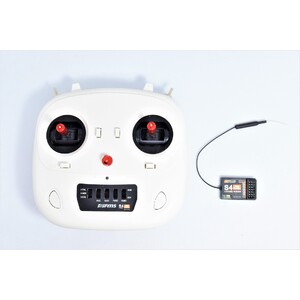
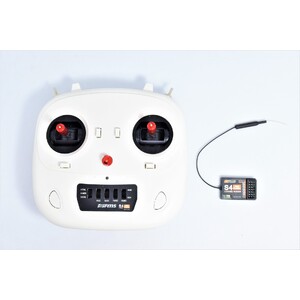
An RC transmitter and receiver kit contains a compatible radio controller and receiver designed to work together. It can be a convenient option when setting up a new RC model or replacing an existing radio system.
8. What is a failsafe on an RC receiver?
A failsafe is a feature that defines what happens when the receiver loses communication with the transmitter. Depending on the system and configuration, it may set throttle, steering or other channels to predetermined positions. Follow the manufacturer's instructions and test failsafe operation before using the model.
9. Can I use one RC transmitter with multiple vehicles?
Some radio systems support binding one transmitter to multiple compatible receivers, but compatibility and setup depend on the transmitter model and protocol. Check the manufacturer's instructions to determine whether the transmitter supports multiple model memories or receiver binding.
10. How do I bind an RC transmitter and receiver?
Binding establishes a connection between a compatible transmitter and receiver. The process varies by manufacturer and model, but generally involves putting the receiver into bind mode and activating the transmitter's binding function. Follow the manufacturer's instructions and confirm that all controls work correctly after binding.
Check out our other RC products to complete your build!