-
Filter By Stock
- In Stock (11)
Filter By Brand
- Aus Electronics Direct (2)
- Savox (9)
Standard Size RC Servo Motors
Popular Products
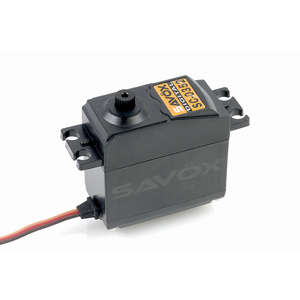
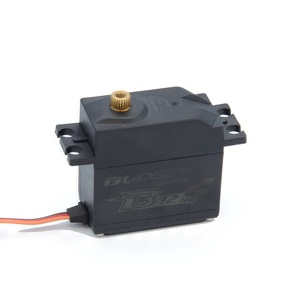
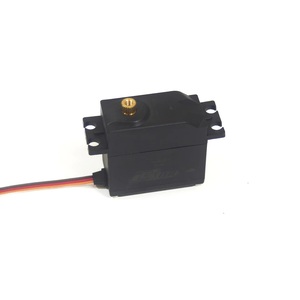
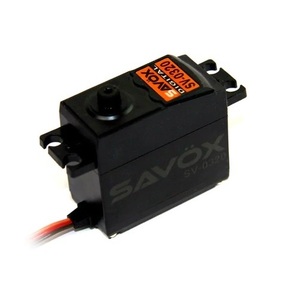
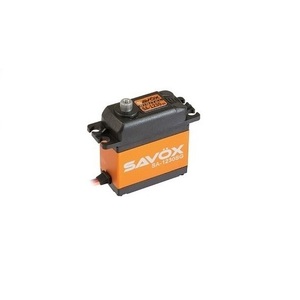
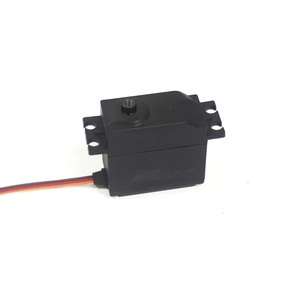
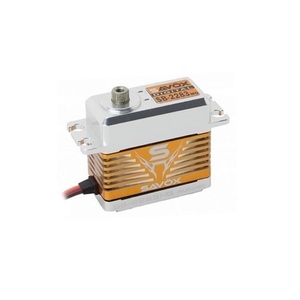
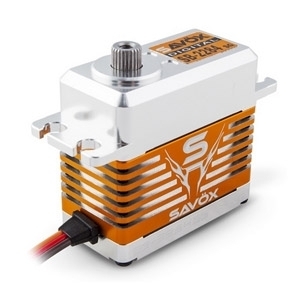
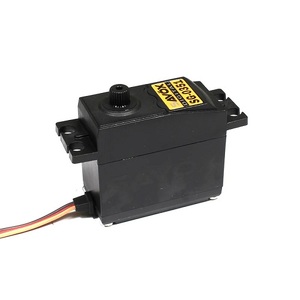
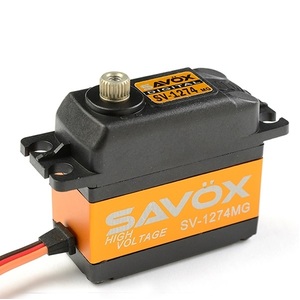
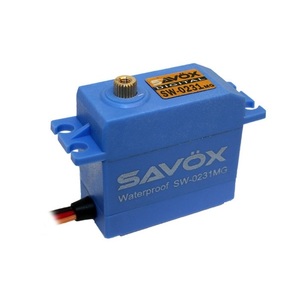
Standard Size RC Servo Motors for Cars, Trucks & Hobby Projects
Shop standard size RC servo motors at Aus Electronics Direct, with a range of reliable servo solutions for remote control cars, trucks, buggies, boats, aircraft and robotics applications.
Our selection includes analogue and digital standard size servos, metal gear servo motors, high-torque models and high-voltage options from brands including Savox. Whether you're replacing an existing servo or upgrading your RC vehicle's steering and control system, choosing the correct servo size and specifications is essential for reliable performance.
Choosing the Right Standard Size Servo
When selecting a standard size servo, consider the following:
-
Dimensions: Check the servo's length, width and height to ensure it fits your mounting space.
-
Torque: Choose a suitable torque rating for your application's mechanical requirements.
-
Operating speed: Compare servo speed to achieve the desired response.
-
Gear material: Metal gear servos can provide increased durability for demanding applications.
-
Control type: Choose between analogue and digital servo technology.
-
Operating voltage: Check the manufacturer's recommended voltage range and receiver compatibility.
Browse our range of standard size RC servo motors at Aus Electronics Direct for your next RC or hobby project.
Frequently Asked Questions – Standard Size RC Servos
1. What is a standard size RC servo?
A standard size RC servo is a motorised actuator used to control steering, movement and positioning in remote control vehicles and hobby projects. It is commonly used in RC cars, trucks, buggies, boats and aircraft. Standard servos offer a balance of size, torque and performance, making them suitable for a wide range of RC applications.
2. What are the standard dimensions of an RC servo?
A typical standard size RC servo measures approximately 40mm long, 20mm wide and 38–40mm high. However, dimensions can vary between manufacturers and models. Always check the product specifications, including mounting hole positions and output shaft dimensions, to ensure the servo fits your RC vehicle.
3. What is the difference between standard and micro servos?
The main difference is their physical size, weight and torque capacity. Standard servos are larger and generally provide higher torque for applications such as RC car steering and larger RC vehicles. Micro servos are smaller and lighter, making them suitable for compact RC aircraft, small robots, Arduino projects and lightweight hobby applications. The right choice depends on your available installation space and required mechanical performance.
4. How much torque do I need for a standard size RC servo?
The required torque depends on your RC vehicle's size, weight, steering load and intended application. Smaller RC vehicles may operate effectively with lower-torque servos, while heavier trucks, buggies and vehicles with larger tyres may require higher torque. Check the original servo specifications and consider the mechanical load when choosing a replacement. Remember that servo torque ratings are generally specified in kg-cm and can vary depending on operating voltage.
5. What is the difference between digital and analogue standard servos?
Digital and analogue servos differ in how they process control signals and operate their motors. Digital servos use a microprocessor to control motor pulses, generally providing faster response, more precise positioning and stronger holding performance. Analogue servos use a simpler electronic control circuit and typically have a lower update rate. Both types are available in standard sizes and can be suitable for RC applications, depending on your performance and compatibility requirements.
6. Are standard size RC servos interchangeable?
Not necessarily. Although standard size servos generally follow similar physical dimensions, they can differ in mounting arrangements, connector types, operating voltage, torque, speed and output shaft design. Before replacing an existing servo, compare its dimensions, wiring, mounting points and electrical specifications with the replacement model. Always check receiver compatibility before installation.
7. Can I use a metal gear servo to upgrade my RC car?
Yes, a metal gear servo can be a suitable upgrade for an RC car when it meets the vehicle's compatibility and performance requirements. Metal gears generally provide improved resistance to wear and mechanical stress compared with standard plastic gears. They can be particularly useful in applications involving heavier vehicles, larger tyres or demanding steering conditions. Check the servo's torque rating, operating voltage, dimensions and mounting configuration before upgrading.
8. How do I choose the right standard size servo for my RC truck?
When choosing a standard size servo for your RC truck, consider these important factors:
-
Size and dimensions: Ensure the servo fits the existing mounting space.
-
Torque rating: Select sufficient torque for your truck's weight and steering requirements.
-
Operating speed: Consider how quickly you want the steering to respond.
-
Gear material: Metal gear servos can offer improved durability.
-
Operating voltage: Confirm compatibility with your receiver and power supply.
-
Servo type: Choose an analogue or digital servo according to your requirements.
-
Compatibility: Check the manufacturer's recommendations for your specific RC truck model.
Selecting a compatible standard size servo with suitable torque and durability will help maintain reliable steering and control.